Pranayama: The Complete Guide to Yogic Breathing Techniques
Learn pranayama breathing techniques, their benefits, and how to practice them — taught traditionally at our pranayama course in Rishikesh, India
What is Pranayama?
Pranayama is the fourth limb of Patanjali's Ashtanga Yoga and the foundational practice for mastering the life force that animates every living being. The word comes from two Sanskrit roots: "prana" (vital life force or breath) and "ayama" (extension, expansion, or control). Together, pranayama means the conscious regulation and expansion of the vital breath.
“तस्मिन् सति श्वासप्रश्वासयोर्गतिविच्छेदः प्राणायामः”
Pranayama is the regulation of the incoming and outgoing breath.
— Yoga Sutra 2.49
Regular pranayama practice purifies the nadis (energy channels), calms the mind, increases vitality, and prepares the practitioner for meditation. In traditional yoga, pranayama is never treated as mere breathing exercise; it is a sophisticated system of energy management that directly influences the state of consciousness.
The ancient rishis of India understood that the breath is the most accessible bridge between the body and mind. When the breath is irregular, the mind is agitated. When the breath is slow and steady, the mind becomes calm and focused. This is why Patanjali placed pranayama immediately after asana (physical postures) and before pratyahara (sense withdrawal) in the eight limbs of yoga: it is the essential gateway from the external practices to the internal journey.
In the Hatha Yoga Pradipika, Swatmarama teaches that pranayama should be practiced only after the body has been purified through asana and shatkarma (cleansing practices). When pranayama is practiced correctly and consistently, it awakens the dormant kundalini energy, purifies all 72,000 nadis, and prepares the practitioner for the higher stages of yoga: dharana (concentration), dhyana (meditation), and ultimately samadhi (absorption).
At Anantadrishti Yoga in Rishikesh, we teach pranayama as it was meant to be learned: systematically, traditionally, and with respect for the profound transformative power of the breath. Whether you are a complete beginner seeking stress relief or an advanced practitioner exploring kumbhaka (breath retention) and the subtler dimensions of prana, our experienced teachers guide each student according to their capacity and readiness.
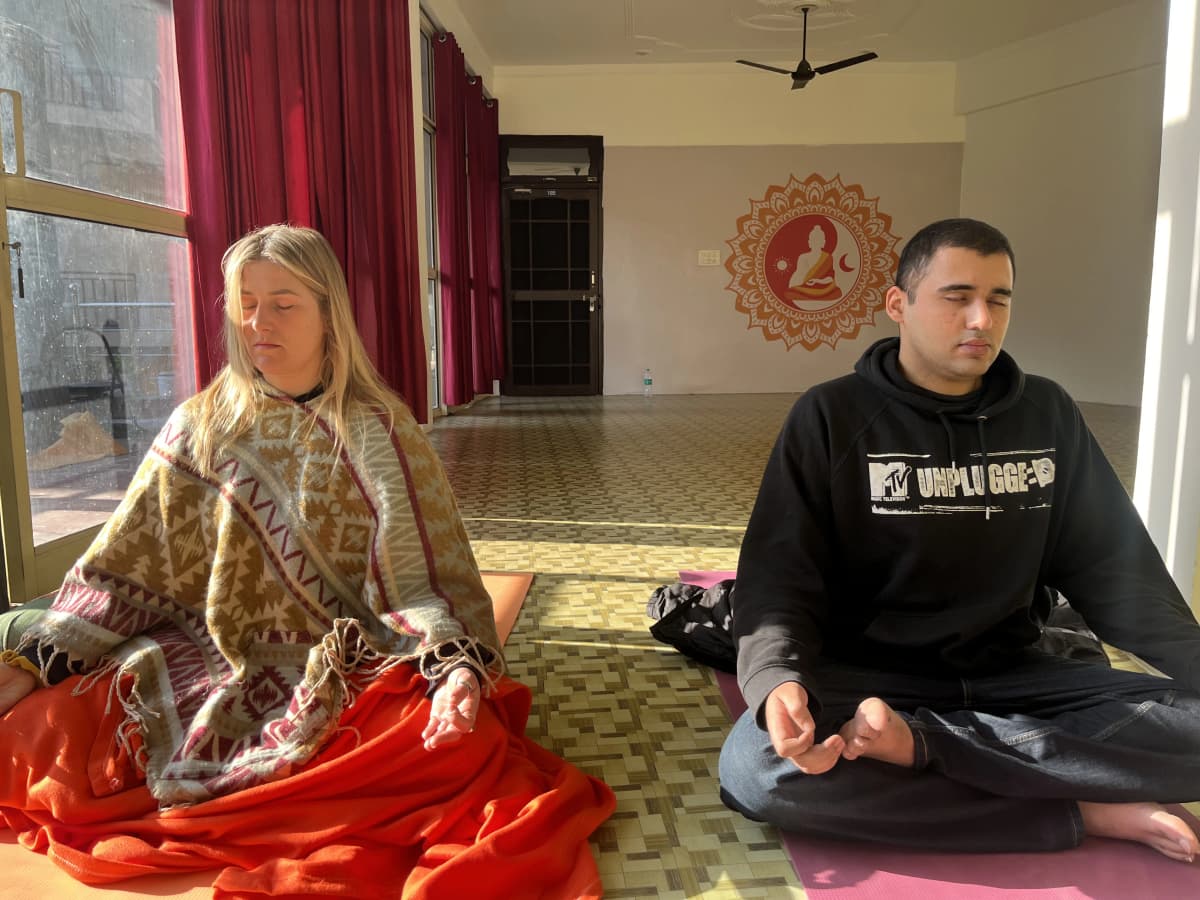
Explore Pranayama Techniques
Dive deep into each classical pranayama technique with our comprehensive guides covering history, step-by-step instructions, benefits, contraindications, and practice tips.
Ancient Teachings on Pranayama
Timeless wisdom from the Hatha Yoga Pradipika and other classical yoga texts that form the foundation of authentic pranayama practice.
चले वाते चलं चित्तं निश्चले निश्चलं भवेत्
Cale vate calam cittam niscale niscalam bhavet
When the breath moves, the mind moves. When the breath becomes steady, the mind becomes steady.
प्राणायामेन युक्तेन सर्वरोगक्षयो भवेत्
Pranayamena yuktena sarva-roga-ksayo bhavet
Proper practice of pranayama destroys all diseases.
योगी स्थाणुत्वमाप्नोति ततो वायुनिरोधनम्
Yogi sthanutvam apnoti tato vayu-nirodhanam
Therefore, the yogi should restrain the breath to attain steadiness.
Understanding Vital Energy
"Prana" is not just breath; it is the master key to life. "Ayama" means both control and expansion. Together, they represent the science of consciously directing the life force to transform body, mind, and spirit.
The 5 Pranas (Panca Prana)
- 1PranaInward moving energy (Head & Chest). Governs intake, inspiration, and the vital force of life.
- 2ApanaDownward moving energy (Pelvis). Governs elimination, reproduction, and grounding.
- 3SamanaBalancing energy (Navel). Governs digestion, assimilation, and metabolic processes.
- 4UdanaUpward moving energy (Throat). Governs speech, growth, expression, and spiritual ascent.
- 5VyanaCirculating energy (Whole Body). Governs circulation, movement, and distribution of nutrients.
Alpa-prana vs Maha-prana
In Sanskrit, sounds are classified by breath volume. Alpa-prana (little breath) sounds require minimal effort, while Maha-prana (great breath) sounds require a forceful expulsion of vital energy. This linguistic science mirrors the yogic science of energy management and demonstrates how deeply the understanding of prana is woven into Indian culture.
Therapeutic Benefits
प्राणायामात् क्षयं याति सर्वरोगसमुद्भवः
Pranayamat ksayam yati sarva-roga-samudbhavah
Through Pranayama, the root causes of all diseases are destroyed.
— Gheranda Samhita 5.77
Pranayama and Meditation
The Yoga Sutras teach that pranayama makes the mind "fit for concentration" (dharanasu ca yogyata manasah, Sutra 2.53). By systematically calming the breath, the practitioner calms the fluctuations of the mind, creating the ideal foundation for deep meditation and self-inquiry.
Benefits of Pranayama Practice
Regular pranayama practice creates measurable improvements across physical, mental, and emotional well-being. Many of these benefits are now supported by modern scientific research.
Mental Clarity & Focus
Improves concentration, sharpens cognitive function, and clears mental fog through enhanced oxygen delivery to the brain.
Energy & Vitality
Increases prana (life force), combats chronic fatigue, and creates sustainable energy throughout the day.
Stress & Anxiety Relief
Activates the parasympathetic nervous system, lowers cortisol, and provides natural relief from chronic stress and anxiety.
Respiratory Health
Strengthens the diaphragm and intercostal muscles, increases lung capacity, and supports recovery from respiratory conditions.
Nervous System Balance
Harmonizes the sympathetic and parasympathetic branches, improving autonomic regulation and resilience to stress.
Meditation Preparation
Calms mental fluctuations and creates the inner stillness necessary for sustained, deep meditation practice.
Improved Sleep Quality
Techniques like Nadi Shodhana and Bhramari calm the nervous system before bed, promoting deeper and more restorative sleep.
Immune System Support
Deep breathing stimulates the lymphatic system and has been shown to enhance immune cell activity and reduce inflammation.
Emotional Regulation
Develops the ability to pause between stimulus and response, improving emotional intelligence and reducing reactivity.
Digestive Health
Techniques like Kapalabhati massage the abdominal organs, stimulate agni (digestive fire), and support healthy elimination.
Our Pranayama Programs
From weekend retreats to comprehensive teacher training, choose the program that matches your experience level and goals. All programs are taught by certified teachers at our yoga shala in Rishikesh, India.
Frequently Asked Questions About Pranayama
Common questions from students considering pranayama courses in Rishikesh.
What is pranayama in yoga?
Pranayama is the yogic science of breath control. The word comes from Sanskrit: 'Prana' meaning vital life force, and 'Ayama' meaning extension or expansion. Pranayama techniques regulate breathing to purify energy channels (nadis), calm the mind, and awaken higher consciousness. It is the fourth limb of Patanjali's Ashtanga Yoga and serves as the bridge between physical postures (asana) and meditation (dhyana).
What are the main types of pranayama?
The main pranayama techniques include Nadi Shodhana (alternate nostril breathing), Kapalabhati (skull-shining breath), Bhastrika (bellows breath), Ujjayi (victorious breath), Bhramari (humming bee breath), Sitali/Sitkari (cooling breaths), and Anulom Vilom. Each technique has specific benefits for the body, mind, and energy system. Classical texts like the Hatha Yoga Pradipika describe eight primary pranayama practices.
Can beginners practice pranayama?
Yes, beginners can safely practice foundational pranayama techniques like deep abdominal breathing, Nadi Shodhana (alternate nostril breathing), and gentle Ujjayi. These techniques require no prior experience and offer immediate calming benefits. Advanced techniques like Kapalabhati, Bhastrika, and Kumbhaka (breath retention) should be learned under the guidance of an experienced teacher to ensure correct technique and avoid strain.
How long does a pranayama course in Rishikesh last?
Pranayama courses in Rishikesh range from 3-day intensive workshops to multi-week immersions. At Anantadrishti Yoga, we offer 7-day pranayama retreats for foundational learning, advanced pranayama immersion programs for experienced practitioners, and comprehensive pranayama modules within our 200-hour and 300-hour teacher training courses.
What is the best time to practice pranayama?
The ideal time for pranayama is during Brahma Muhurta, approximately 90 minutes before sunrise (around 4:30-5:30 AM). At this time the air is freshest, the mind is naturally calm, and prana flows most freely. However, pranayama can be practiced at any time on an empty stomach. Early morning and evening (before sunset) are both considered auspicious times in the yogic tradition. Wait at least 3-4 hours after a full meal before practicing.
How long should a pranayama session last?
For beginners, 10-15 minutes of pranayama practice daily is sufficient and beneficial. As your capacity builds, sessions can extend to 30-45 minutes. Advanced practitioners may practice for 60 minutes or more. Consistency matters more than duration; a dedicated daily practice of 15 minutes will produce better results than occasional lengthy sessions. Start with simple techniques and gradually increase both duration and complexity.
Can pranayama help with anxiety and stress?
Yes, pranayama is one of the most effective natural tools for managing anxiety and stress. Techniques like Nadi Shodhana (alternate nostril breathing), Bhramari (humming bee breath), and extended exhalation breathing directly activate the parasympathetic nervous system, lowering cortisol levels and heart rate. Multiple peer-reviewed studies published in journals like the International Journal of Yoga have demonstrated significant reductions in anxiety markers after regular pranayama practice.
What is the difference between pranayama and breathwork?
Pranayama is a traditional yogic practice with roots in ancient Indian scriptures dating back thousands of years. It follows systematic techniques codified in texts like the Hatha Yoga Pradipika and Yoga Sutras, and is practiced within the broader framework of yoga philosophy. Modern breathwork encompasses a wider range of contemporary breathing practices, including Holotropic Breathwork, Wim Hof Method, and Transformational Breath, which may draw from pranayama but also incorporate modern therapeutic approaches. Pranayama emphasizes subtle energy (prana) regulation and spiritual development alongside physical benefits.
Train to Teach Pranayama
Ready to move beyond personal practice? Pranayama is a core pillar of our residential yoga teacher training in Rishikesh, where you learn the classical breathing techniques alongside asana, anatomy, and yogic philosophy under experienced teachers.
100-Hour Yoga Teacher Training in Rishikesh
A focused foundational immersion — the ideal starting point to build a steady pranayama and asana practice when time is short, with the option to continue toward full certification.
Explore the 100-hour YTT200-Hour Yoga Teacher Training in Rishikesh
Our flagship foundational certification — a complete grounding in pranayama, asana, meditation, and teaching methodology for aspiring and dedicated practitioners.
Explore the 200-hour YTT300-Hour Yoga Teacher Training in Rishikesh
Deepen your mastery with advanced pranayama, kumbhaka, bandhas, and subtle-body practices designed for graduates of a 200-hour programme.
Explore the 300-hour YTTDeepen Your Practice
Explore our guides on breathwork science, philosophy, and techniques
How Breathwork Changes Your Brain Waves
Discover the neuroscience behind breathwork and how different techniques alter your brainwave patterns for focus, calm, and healing.
GuideWhat is Breathwork? Complete Guide
Everything you need to know about breathwork — its origins in pranayama, modern applications, and how to start your practice.
TechniquesBreathwork Techniques Overview
A comprehensive overview of breathwork techniques from ancient pranayama to modern therapeutic practices.
7-Day Pranayama Retreat in Rishikesh
Immerse yourself in authentic pranayama practice with experienced teachers at the foothills of the Himalayas. Our intensive retreat covers foundational techniques, bandhas, mudras, and guided meditation.
Small group sizes ensure personalized guidance for every student.
View Pranayama Retreat