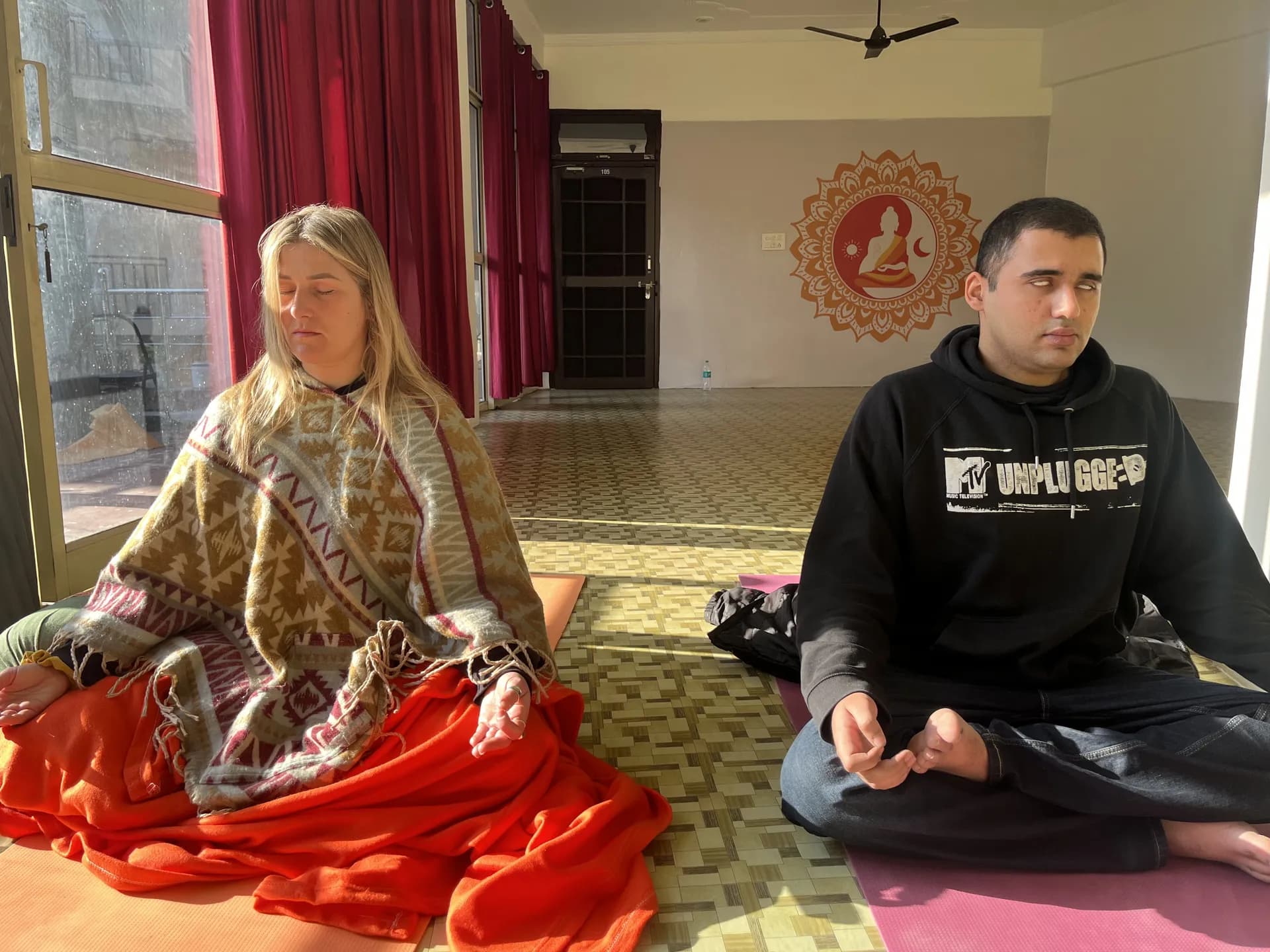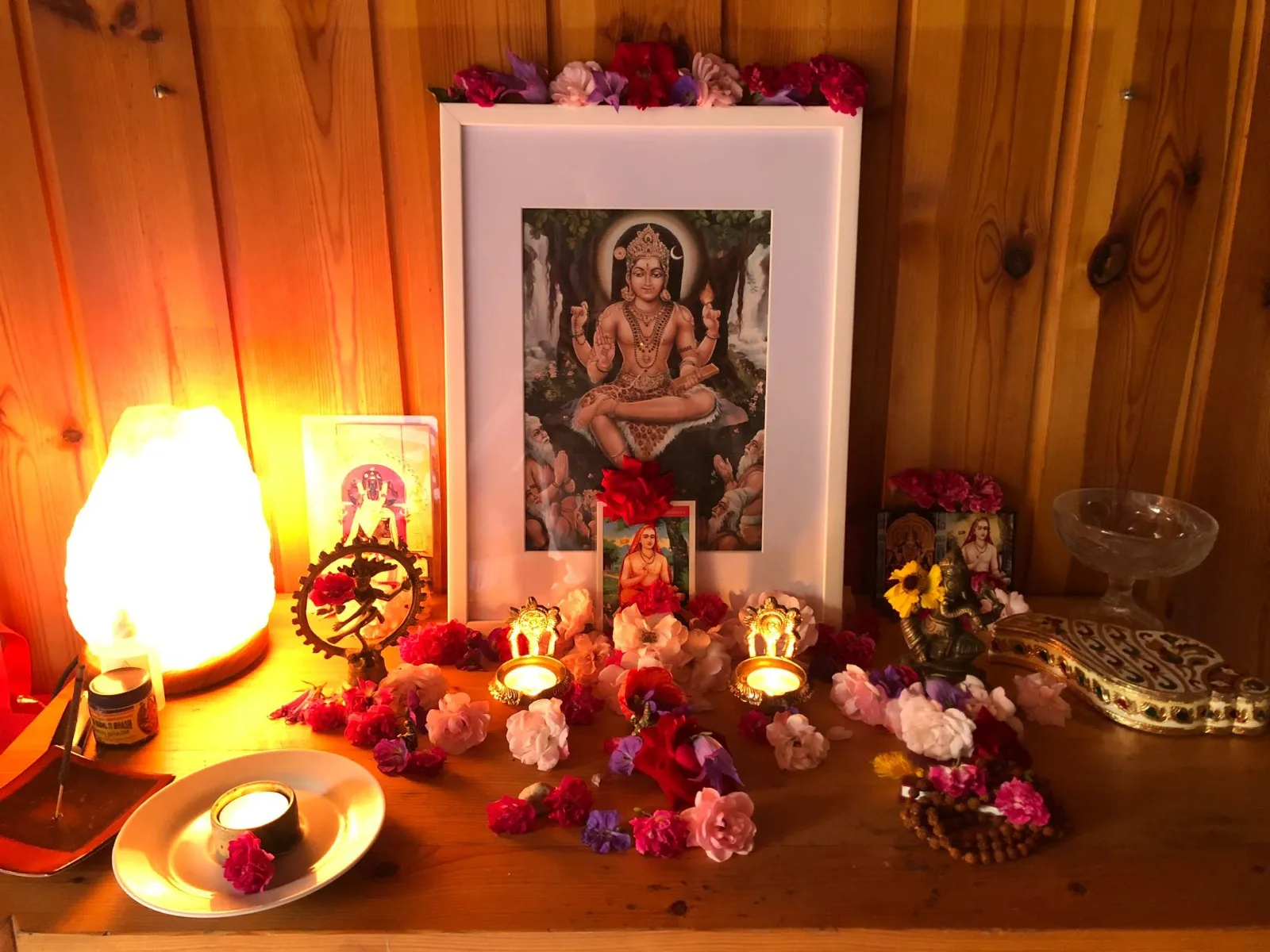
Breathwork is the conscious practice of controlling your breathing to influence your physical, mental, and emotional state. While modern wellness has popularized the term, the roots of breathwork stretch back thousands of years to the ancient Indian science of Pranayama.
The Ancient Origins: Pranayama
The Sanskrit word Pranayama (प्राणायाम) breaks down into two components: Prana (life force / vital energy) and Ayama (extension / control). Long before "breathwork" entered Western vocabulary, yogis in the Himalayas were mapping the breath-body-mind connection with extraordinary precision.
Classical texts like the Hatha Yoga Pradipika (15th century) and Gheranda Samhita describe techniques that modern science is only now validating:
"प्राणायामेन सर्वरोगक्षयो भवेत्"
Through pranayama, all disturbances and disorders are reduced. — Gheranda Samhita
Modern Breathwork vs Classical Pranayama
Today's breathwork landscape includes many approaches:
| Style | Origin | Key Characteristic |
|---|---|---|
| Pranayama | Ancient India (3000+ years) | Systematic energy regulation via breath |
| Holotropic | Stanislav Grof (1970s) | Hyperventilation for altered states |
| Wim Hof | Netherlands (2000s) | Cold + breathing for immune response |
| Box Breathing | US Navy SEALs | Equal-ratio breathing for calm under stress |
| Buteyko | Russia (1950s) | Reduced breathing for respiratory health |
At Anantadrishti Yoga, we teach the classical pranayama tradition — the original and most comprehensive breathwork system. Learn about specific techniques in our types of pranayama guide.
The Science: How Breathwork Affects Your Body
Modern neuroscience confirms what yogis discovered millennia ago:
- Vagus nerve activation — Slow, deep breathing stimulates the vagus nerve, shifting the nervous system from fight-or-flight (sympathetic) to rest-and-digest (parasympathetic). This reduces heart rate, lowers blood pressure, and calms the mind.
- Brain wave shifts — Rhythmic breathing shifts brain activity from scattered Beta waves (stress) toward coherent Alpha and Theta waves (calm awareness and meditation).
- CO₂ tolerance — Controlled breath retention (kumbhaka) trains the brain to tolerate higher CO₂ levels, improving stress resilience and mental endurance.
- Hormonal regulation — Regular breathwork reduces cortisol, increases GABA (the brain's natural calming neurotransmitter), and can boost serotonin production.
Who Should Practice Breathwork?
The beauty of breathwork is its accessibility. Whether you're a stressed executive, an athlete, a student, or a seasoned meditator, conscious breathing offers measurable benefits. Read our guide on breathwork benefits for a detailed breakdown.
How to Start
Begin with these foundational practices:
- Diaphragmatic breathing — 5 minutes daily, breathing into your belly rather than your chest
- Alternate Nostril Breathing (Nadi Shodhana) — Balances both hemispheres of the brain
- Humming Bee Breath (Bhramari) — Instantly calms anxiety and racing thoughts
For a deeper dive, explore our comprehensive breathwork techniques guide.
Continue exploring: Benefits of Breathwork | Breathwork Techniques | Pranayama Hub
Share this guide
Category
FundamentalsWritten by
Somesh
RYT 500 · Yoga Philosophy & Pranayama
An experienced yoga teacher and Registered Yoga Teacher (RYT 500) specializing in yoga philosophy and pranayama at Anantadrishti Yoga in Rishikesh, India.
More articles by Somesh