Breathwork Techniques: From Ancient Pranayama to Modern Practice
A comprehensive guide to classical yogic breathing techniques and their modern adaptations. Learn the science, method, and benefits of each practice.
Classical Pranayama Techniques
These time-tested techniques form the core of our breathwork curriculum at Anantadrishti Yoga in Rishikesh. Each has been practiced and refined over thousands of years.
Ocean Breath / Victorious Breath
A slow, audible breathing technique that creates a gentle constriction at the back of the throat, producing a soft ocean-like sound. Ujjayi activates the vagus nerve and builds internal heat, making it the foundational breath for vinyasa and ashtanga yoga practice.
Key Benefits
- Calms the nervous system and reduces anxiety
- Builds internal heat for deeper flexibility
- Improves concentration and meditative focus
- Regulates blood pressure
Alternate Nostril Breathing
One of the most powerful balancing techniques in the pranayama system, Anulom Vilom purifies the energy channels (nadis) by alternating airflow between the left and right nostrils. This harmonizes the sympathetic and parasympathetic branches of the autonomous nervous system.
Key Benefits
- Balances left and right brain hemispheres
- Reduces stress hormones and lowers cortisol
- Improves respiratory function and lung capacity
- Prepares the mind for deep meditation
Skull-Shining Breath
A dynamic, energizing kriya (cleansing technique) involving rapid, forceful exhalations followed by passive inhalations. Kapalbhati massages the abdominal organs, increases metabolic rate, and creates a powerful detoxification effect throughout the body.
Key Benefits
- Detoxifies lungs and blood
- Boosts metabolism and digestive fire
- Sharpens mental clarity and alertness
- Strengthens core abdominal muscles
Humming Bee Breath
A profoundly calming technique where you produce a sustained humming sound on the exhale, creating vibrations that resonate through the skull and directly stimulate the vagus nerve. Bhramari is one of the fastest ways to shift from sympathetic overdrive into parasympathetic calm.
Key Benefits
- Instantly reduces anxiety and agitation
- Stimulates the vagus nerve for deep relaxation
- Lowers blood pressure and heart rate
- Prepares the mind for meditation and sleep
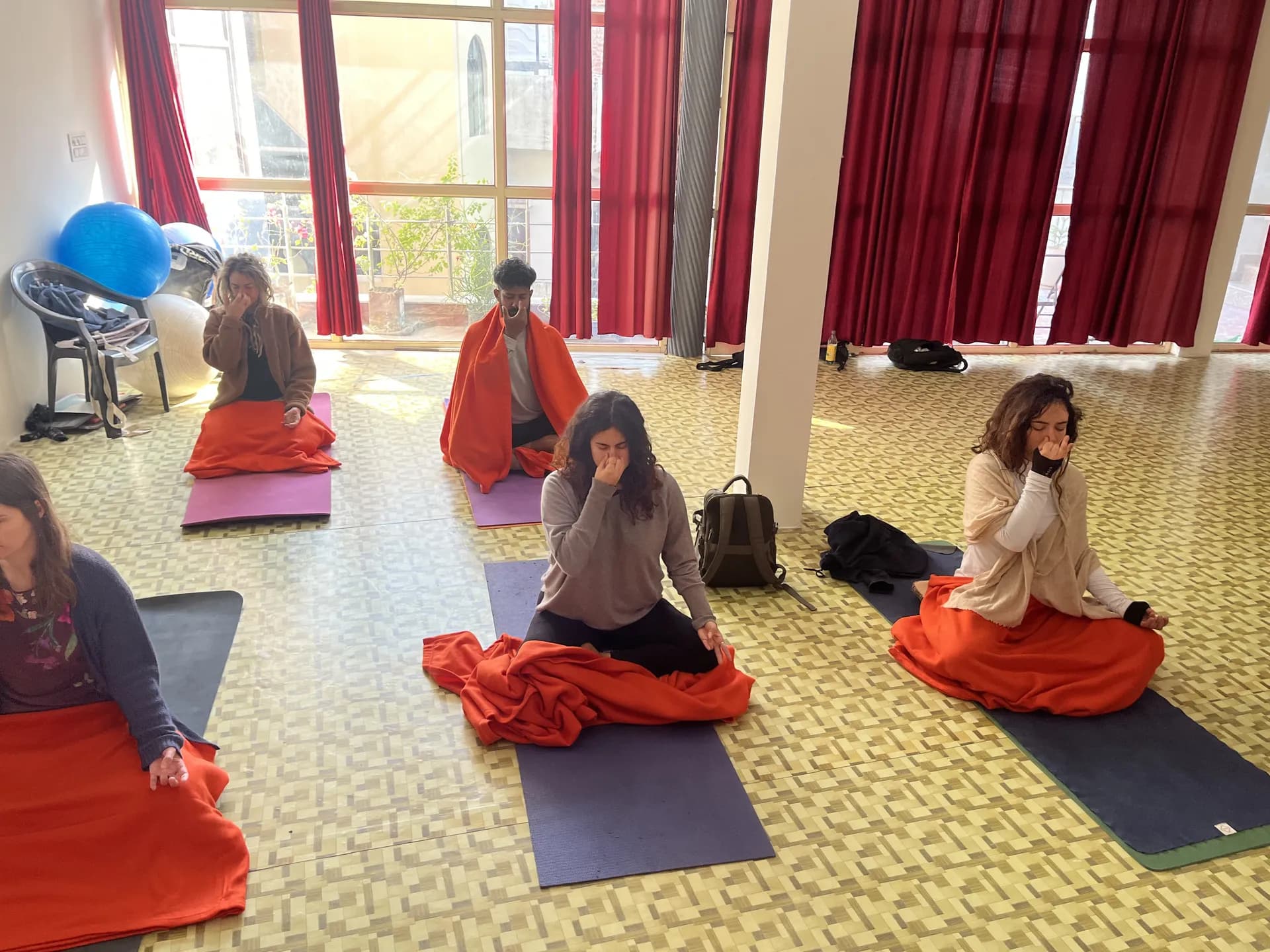
Energy Locks & Breath Retention
Advanced pranayama involves combining breath retention (kumbhaka) with muscular energy locks (bandhas) at the throat, abdomen, and pelvic floor. These techniques redirect prana through the central channel (sushumna nadi) and are considered the gateway to higher meditative states.
Key Benefits
- Activates kundalini energy flow
- Builds extraordinary breath-hold capacity
- Deepens concentration and pratyahara
- Reserved for dedicated practitioners with a foundation
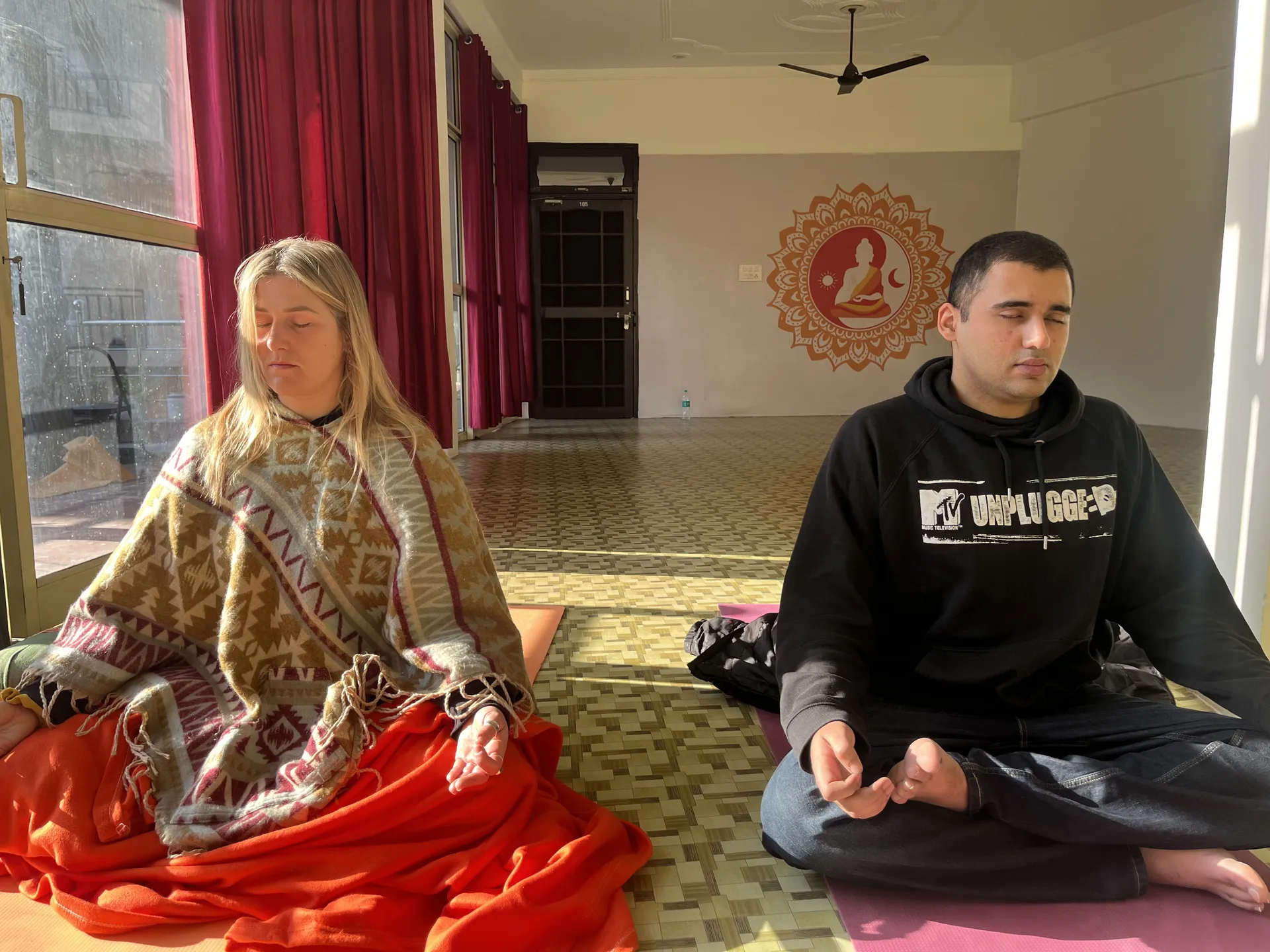
Full Guide to All Techniques
Our comprehensive guide covers every classical pranayama technique taught at Anantadrishti, including Surya and Chandra Bhedana, Bhastrika (bellows breath), Sheetali (cooling breath), and Moorchha. Learn how each technique fits into a complete daily practice (sadhana).
Key Benefits
- Understand all classical pranayama techniques
- Learn proper sequencing for daily practice
- Discover which techniques suit your constitution
- Progress safely from beginner to advanced
Modern Breathwork Methods
While we teach classical techniques rooted in our Rishikesh lineage, these modern adaptations borrow heavily from pranayama and are widely used for immediate relief.
Box Breathing (4-4-4-4)
Square Breathing / Sama Vritti
Inhale for 4 counts, hold for 4 counts, exhale for 4 counts, hold for 4 counts. Used by Navy SEALs and first responders to maintain calm under extreme pressure. This is essentially a simplified version of the yogic practice of Sama Vritti (equal-ratio) pranayama with kumbhaka (retention).
How to Practice
- 1Sit comfortably with a straight spine
- 2Inhale slowly through the nose for 4 seconds
- 3Hold your breath gently for 4 seconds
- 4Exhale slowly through the nose for 4 seconds
- 5Hold empty for 4 seconds, then repeat
Best for: Focus, performance anxiety, high-pressure situations
4-7-8 Breathing
Dr. Andrew Weil's Relaxing Breath
Inhale for 4 counts, hold for 7 counts, exhale for 8 counts. Popularized by Dr. Andrew Weil, this technique leverages the extended exhale to strongly activate the parasympathetic nervous system. The prolonged breath retention and slow release mirror the ratios found in traditional Vishama Vritti pranayama.
How to Practice
- 1Place the tip of your tongue behind your upper front teeth
- 2Exhale completely through your mouth
- 3Inhale quietly through the nose for 4 counts
- 4Hold your breath for 7 counts
- 5Exhale audibly through your mouth for 8 counts
Best for: Insomnia, sleep onset, nighttime anxiety
Conscious Connected Breathing
Circular Breathing / Rebirthing Breathwork
A continuous, connected breathing pattern with no pause between inhale and exhale. This technique creates a sustained rhythmic cycle that can access altered states of consciousness, facilitate emotional release, and process stored trauma in the body. It shares principles with advanced Bhastrika and traditional yogic circular breathing.
How to Practice
- 1Lie down in a comfortable position
- 2Begin breathing in and out through the mouth continuously
- 3Make the inhale active and the exhale passive (a natural release)
- 4Maintain the connected rhythm without pausing
- 5Continue for 20-45 minutes with a trained facilitator
Best for: Emotional release, trauma processing, self-exploration
How to Choose Your Technique
Not sure where to start? Choose based on your experience level and what you want to achieve.
Beginners
Anulom Vilom, Diaphragmatic Breathing, Bhramari
Gentle techniques that build breath awareness without overwhelming the nervous system. Start here if you are new to breathwork or pranayama.
Stress & Anxiety
Bhramari, 4-7-8 Breathing, Extended Exhale
These techniques emphasize vagus nerve activation and parasympathetic response. The extended exhale ratio is the single most effective way to calm an activated nervous system.
Energy & Focus
Kapalbhati, Bhastrika, Box Breathing
Dynamic, activating techniques that increase oxygen saturation, clear mental fog, and sharpen concentration. Best practiced in the morning or before demanding tasks.
Advanced Practitioners
Ujjayi with Bandhas, Kumbhaka, Surya Bhedana
Combine breath retention, energy locks, and single-nostril techniques for deeper pranic control. Requires a solid foundation and ideally guidance from an experienced teacher.
Ready to Start Practicing?
Whether you are a complete beginner or looking to deepen an existing practice, we have programs designed for every level. Learn these techniques from experienced teachers in the birthplace of yoga.