Pranayama guide
Ujjayi Pranayama: The Complete Guide to Victorious Breath
Master the ocean breath — the foundational breathing technique used in Ashtanga and Vinyasa yoga to build heat, deepen focus, and calm the mind.
Learn it in RishikeshUjjayi pranayama is taught in the first week of our 7-day pranayama course
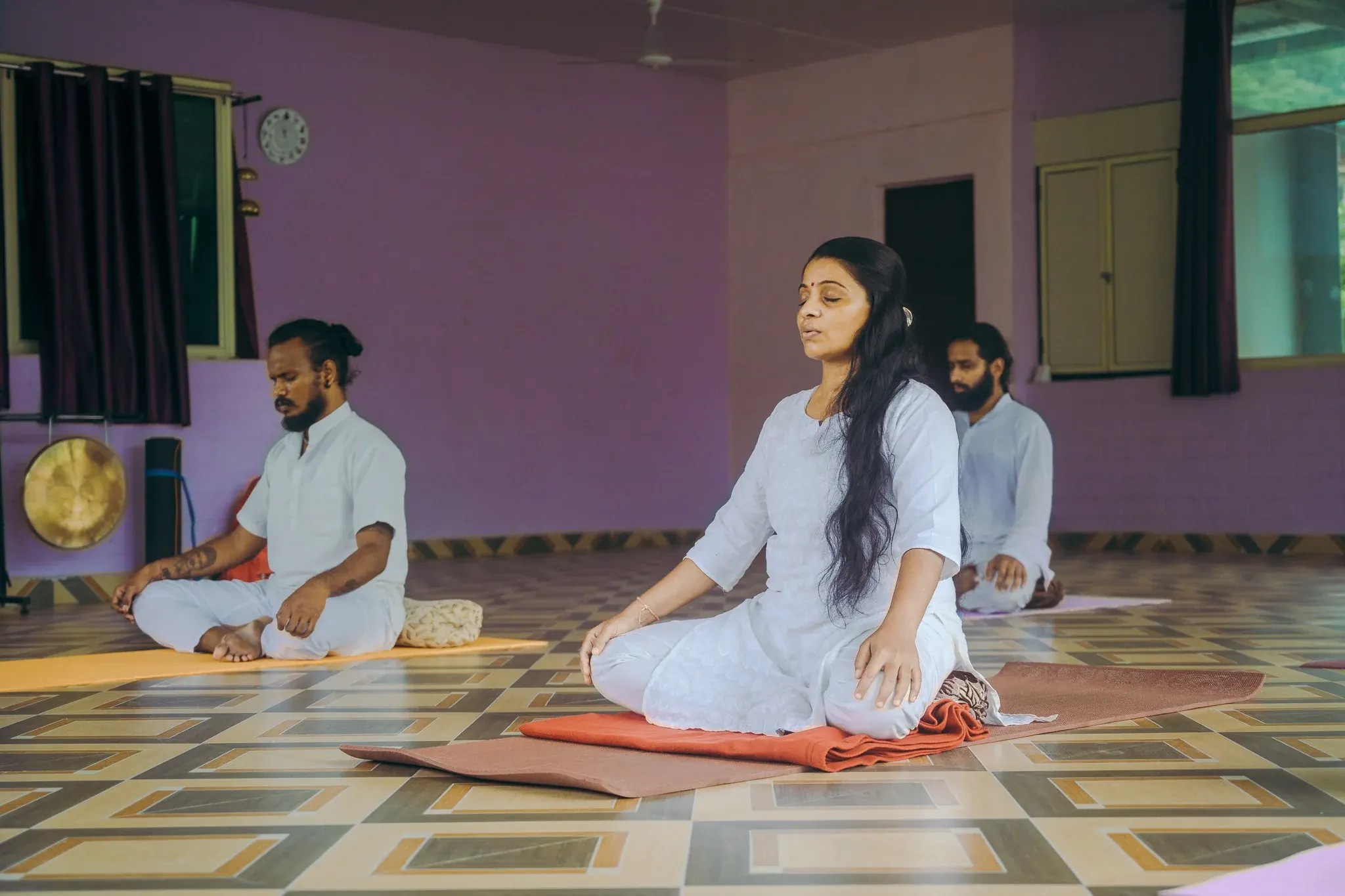
What is Ujjayi Pranayama?
Ujjayi pranayama is one of the most widely practiced breathing techniques in modern yoga. The word comes from the Sanskrit prefix "ud" meaning "upward" or "expanding" and "jaya" meaning "victory" or "conquest." Together, ujjayi translates as "victorious breath" or "the breath that leads to victory" — victory over the restless mind and the fluctuations of prana (life force).
Ujjayi is produced by gently constricting the muscles at the back of the throat (the glottis) while breathing through the nose. This creates a soft, audible, ocean-like sound — which is why ujjayi is commonly known as "ocean breath" or "whispering breath." The subtle resistance created by the throat constriction slows the breath, warms the incoming air, and gives the practitioner a point of auditory focus.
What makes ujjayi unique among pranayama techniques is its versatility. While most pranayama practices are performed seated and separate from physical postures, ujjayi is the primary breathing technique used during Ashtanga Vinyasa yoga and many Vinyasa flow classes. It serves as the thread connecting breath to movement, creating a moving meditation that deepens the asana practice. The Hatha Yoga Pradipika lists ujjayi among the eight classical pranayama techniques and describes it as a practice that "destroys decay and death."
At Anantadrishti Yoga in Rishikesh, ujjayi pranayama is an integral part of every practice session. Our students learn not only the technique itself but how to maintain ujjayi throughout their asana practice, during transitions, and as a standalone pranayama meditation. Mastering ujjayi transforms your entire yoga practice — creating steadiness, warmth, and unwavering concentration.
How to Practice Ujjayi Pranayama: Step-by-Step
Find a comfortable seated position
Sit in Sukhasana (easy pose), Padmasana (lotus), or Vajrasana (thunderbolt). You may also stand in Tadasana or sit on a chair. Keep your spine tall, shoulders relaxed, and chin level. Ujjayi can be practiced in any position, which makes it unique among pranayama techniques — it is the primary breath used during Ashtanga and Vinyasa yoga asana practice.
Relax the body and bring awareness to the throat
Close your eyes gently. Take a few natural breaths to settle in. Bring your attention to the throat region. Imagine you are about to fog up a mirror — notice the slight constriction at the back of the throat (the glottis). This gentle narrowing of the airway is the foundation of ujjayi breathing.
Create a gentle throat constriction
Slightly contract the muscles at the back of your throat, narrowing the glottis. This is the same muscular engagement you use when whispering or fogging a mirror, but with the mouth closed. The constriction should be gentle — just enough to create a soft friction as air passes through. Do not force or strain the throat. The narrowing should feel natural and sustainable.
Inhale slowly through the nose with the throat engaged
With the gentle throat constriction in place, inhale slowly and deeply through both nostrils. As the air passes through the narrowed glottis, you will hear a soft, whispering, ocean-like sound. The inhalation should be smooth, steady, and controlled. Fill the lungs completely — abdomen first, then ribcage, then upper chest. The sound should be audible to you but not so loud that someone across the room can hear it.
Exhale slowly with the same ocean-like sound
Maintaining the same gentle throat constriction, exhale slowly through the nose. The exhalation produces the same soft, hissing or oceanic sound as the inhalation. Keep the breath smooth and even throughout the entire exhalation. The exhale should be slightly longer than the inhale — aim for a ratio of approximately 1:1.5. Empty the lungs completely by gently drawing the navel toward the spine at the end of the exhale.
Practice Duration
Beginners: 5 minutes (10-15 breath cycles) | Intermediate: 10-15 minutes | Advanced: 20-30 minutes or throughout entire asana practice. Start with equal inhale and exhale lengths, then gradually extend the exhale to a 1:1.5 or 1:2 ratio.
Ujjayi in Ashtanga and Vinyasa Yoga
In the Ashtanga Vinyasa tradition, ujjayi breathing is considered one of three fundamental elements of practice, alongside bandhas (energy locks) and drishti (gaze points). Together, these three form Tristhana — the three places of attention that transform a physical exercise into a moving meditation.
During asana practice, ujjayi serves multiple purposes. The gentle throat constriction warms the incoming air, which in turn heats the body from the inside — this internal heat (tapas) helps loosen muscles and joints, making deeper stretches possible while reducing the risk of injury. The audible sound of the breath provides a rhythmic anchor that keeps the mind focused and prevents it from wandering. When the ujjayi sound becomes ragged or disappears, it signals that the practitioner has exceeded their comfortable edge and should ease back.
The breath-movement synchronization (vinyasa) in Ashtanga yoga relies on ujjayi to create a consistent pace. Each movement is linked to either an inhalation or an exhalation — the steady, controlled nature of ujjayi breathing ensures that transitions between poses are smooth and deliberate rather than rushed. This connection between breath and movement is what distinguishes a yoga practice from mere physical exercise.
Benefits of Ujjayi Pranayama
Builds Internal Heat
The throat constriction warms incoming air, generating tapas (internal heat) that loosens muscles and joints for deeper, safer practice.Enhances Focus and Concentration
The audible sound provides a constant point of focus, keeping the mind anchored in the present moment throughout practice.Calms the Nervous System
The slow, controlled breath with a long exhalation favours the parasympathetic, rest-and-digest side of the nervous system, and most practitioners feel calmer.Blood Pressure: What Studies Report
Studies suggest that slow, rhythmic breathing may modestly lower blood pressure. Ujjayi is not a treatment: if you have high blood pressure, practise gently, without retention, and keep your doctor informed.Trains the Breath
The gentle resistance at the throat trains the diaphragm and the muscles between the ribs, and slows the breath down. Students notice longer, smoother and more even breaths.Supports Vocal Health
The gentle engagement of throat muscles during ujjayi can strengthen the vocal cords and improve voice quality when practiced regularly.Increases Endurance
By slowing and controlling the breath, ujjayi helps practitioners maintain longer holds in challenging poses without becoming breathless or fatigued.Promotes Mindful Breathing
Practicing ujjayi trains awareness of the breath, a skill that carries over into daily life — helping practitioners breathe more consciously off the mat.
When to Practice Ujjayi Pranayama
During Asana Practice
Maintain ujjayi throughout your Ashtanga or Vinyasa practice. Let the sound guide your pace — if the breath becomes strained, ease the intensity of the pose.Standalone Pranayama
Practice ujjayi seated for 10-20 minutes as a dedicated pranayama session. Morning practice before meditation is ideal. Combine with breath ratios for deeper effect.Daily Life
Use ujjayi subtly during stressful moments — waiting in line, before a meeting, or during commutes. The gentle throat engagement calms the mind without being noticeable to others.
Precautions and Contraindications
Ujjayi pranayama is one of the safest breathing techniques and is suitable for most people. However, observe these precautions:
- Do not force the throat constriction. The engagement should be gentle — like whispering, not like straining or gagging. Excessive force can cause throat irritation or headaches.
- People with very low blood pressure should practice gently, as ujjayi can further lower blood pressure through its calming effect.
- If you have a sore throat or respiratory infection, wait until you recover before practicing ujjayi.
- Stop immediately if you feel dizzy, lightheaded, or experience any pain. Return to normal breathing.
- During hot yoga, ujjayi may generate excessive internal heat. Use your judgment and reduce the throat constriction if you feel overheated.
Frequently Asked Questions
Why is ujjayi pranayama called ocean breath?
Should I use ujjayi breathing during all yoga poses?
How long should I practice ujjayi pranayama as a standalone exercise?
Can ujjayi pranayama help with thyroid problems?
What is the difference between ujjayi and other pranayama techniques?
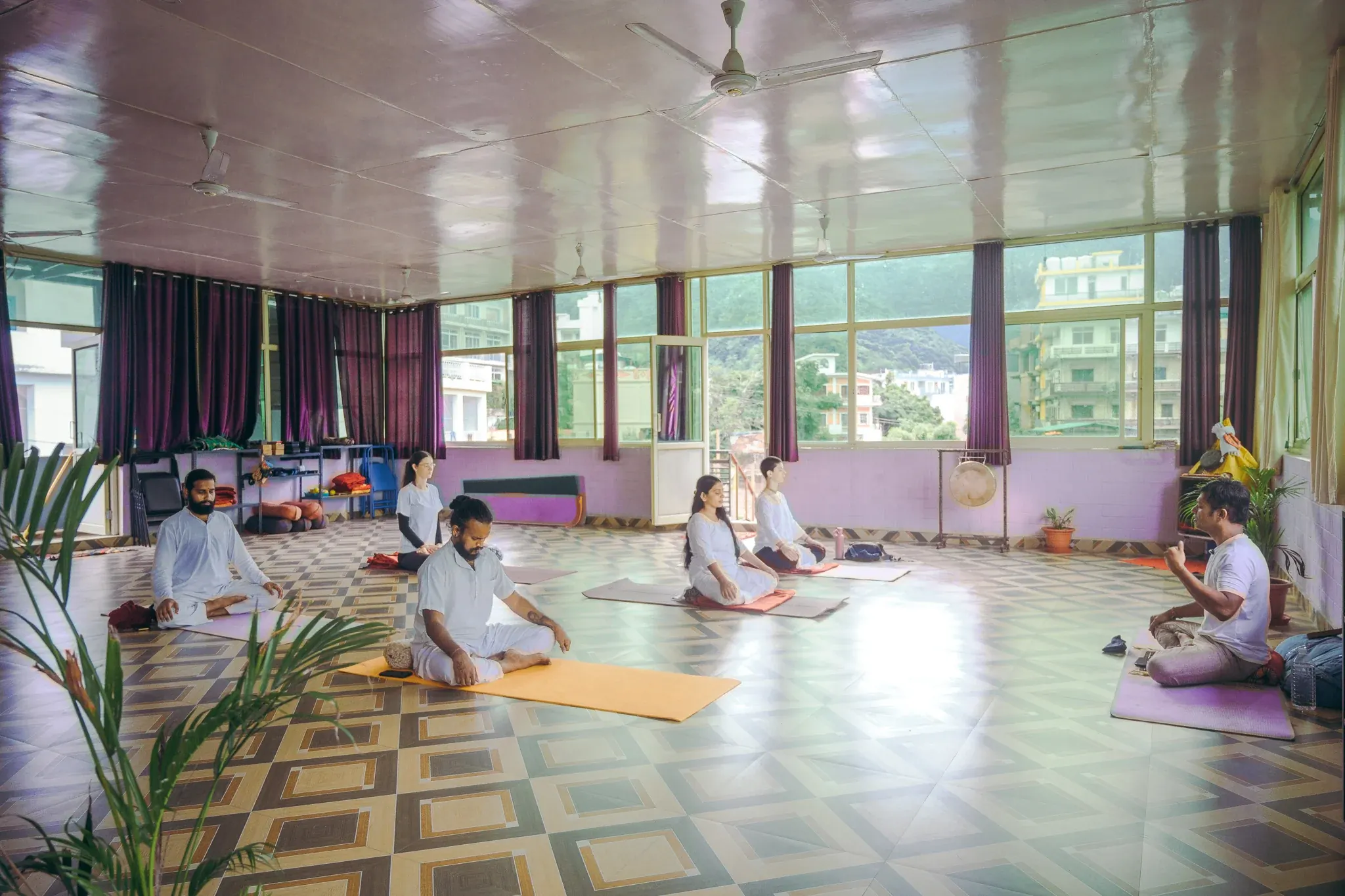
Advanced Pranayama Course
Go deeper: Ujjayi with the bandhas, taught in Rishikesh
- 7, 15 or 30 days
- A new start every month
- Taught in English
Tuition$149₹13,000
Explore More Pranayama Techniques
- Bhramari PranayamaHumming Bee Breath for deep relaxation
- Anulom VilomAlternate Nostril Breathing for balance
- KapalbhatiSkull-Shining Breath for energy
- Types of PranayamaComplete list of all techniques
- Pranayama BenefitsWhat research and tradition say
- All PranayamaReturn to pranayama hub
- Bandhas: Yoga's energy locksMula, Uddiyana, Jalandhara and Maha bandha: what each lock is, and how it joins pranayama and kumbhaka.
- Kumbhaka: Breath retentionAntar and bahya kumbhaka: holding the breath in and out, with the bandhas, and how to begin safely.
From the breathwork library