Pranayama
7-Day Pranayama Course in Rishikesh: What the Tuition Covers, and What It Doesn't
A plain guide to a 7-day pranayama course in Rishikesh: what US$149 tuition covers, what it leaves out, the daily timetable, the techniques you learn in the week, and how it differs from all-inclusive retreat packages.
Somashekar
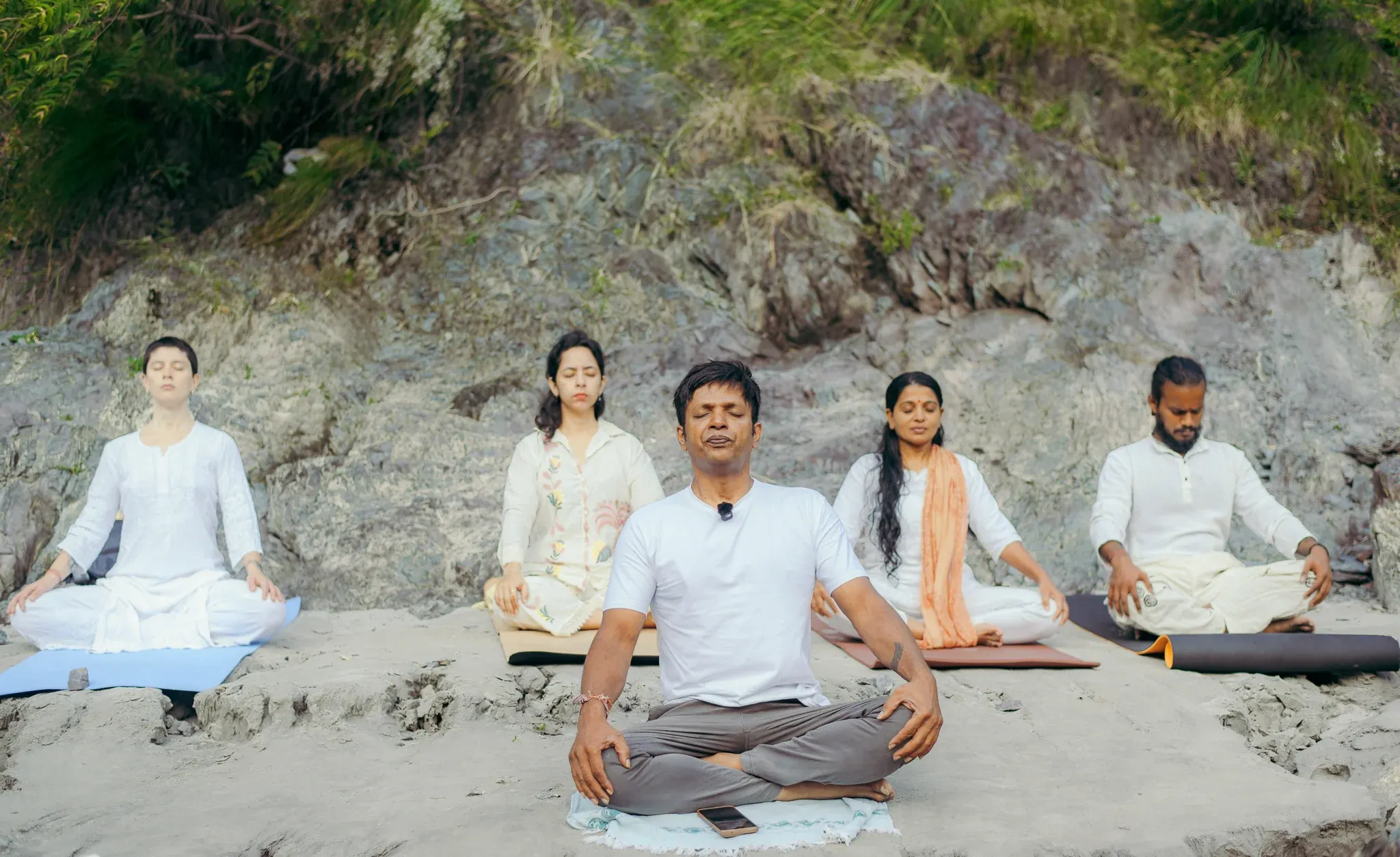
Written by Somashekar, founder and head teacher of Anantadrishti Yoga. Disclosure: the course described here is our own. We've set out what the fee leaves out as clearly as what it includes.
"How much is a 7-day pranayama course in Rishikesh?" sounds like a simple question, but the answers online are hard to compare. Some prices are for tuition alone. Others are retreat packages that include a room, three meals a day and extras. Some listings call a week a "course", others a "retreat" or a "training". This guide explains exactly what our 7-day course includes for its fee, what it doesn't, and how to compare it fairly with anything else you're considering.
At a glance
| Detail | 7-day Advanced Pranayama & Yoga Philosophy Course |
|---|---|
| Tuition | US$149 (₹13,000), tuition only |
| Optional deposit | 20% (₹2,600) can reserve a place; enquiring costs nothing |
| Starts | The 1st of the month; Monday the 2nd when the 1st is a Sunday |
| Teaching days | 6 (Sunday is a rest day) |
| Daily sessions | 07:30–09:00 practice; 11:30–13:00 corrections plus the science and philosophy of pranayama |
| Guided hours | About 18 |
| Where | Near Moktan Coffee Shop, Lower Tapovan, Rishikesh |
| Language and format | English, in person, small groups |
| Not included | Accommodation, meals, travel |
| Teacher training? | No; no certificate is claimed |
What does the 7-day tuition cover?
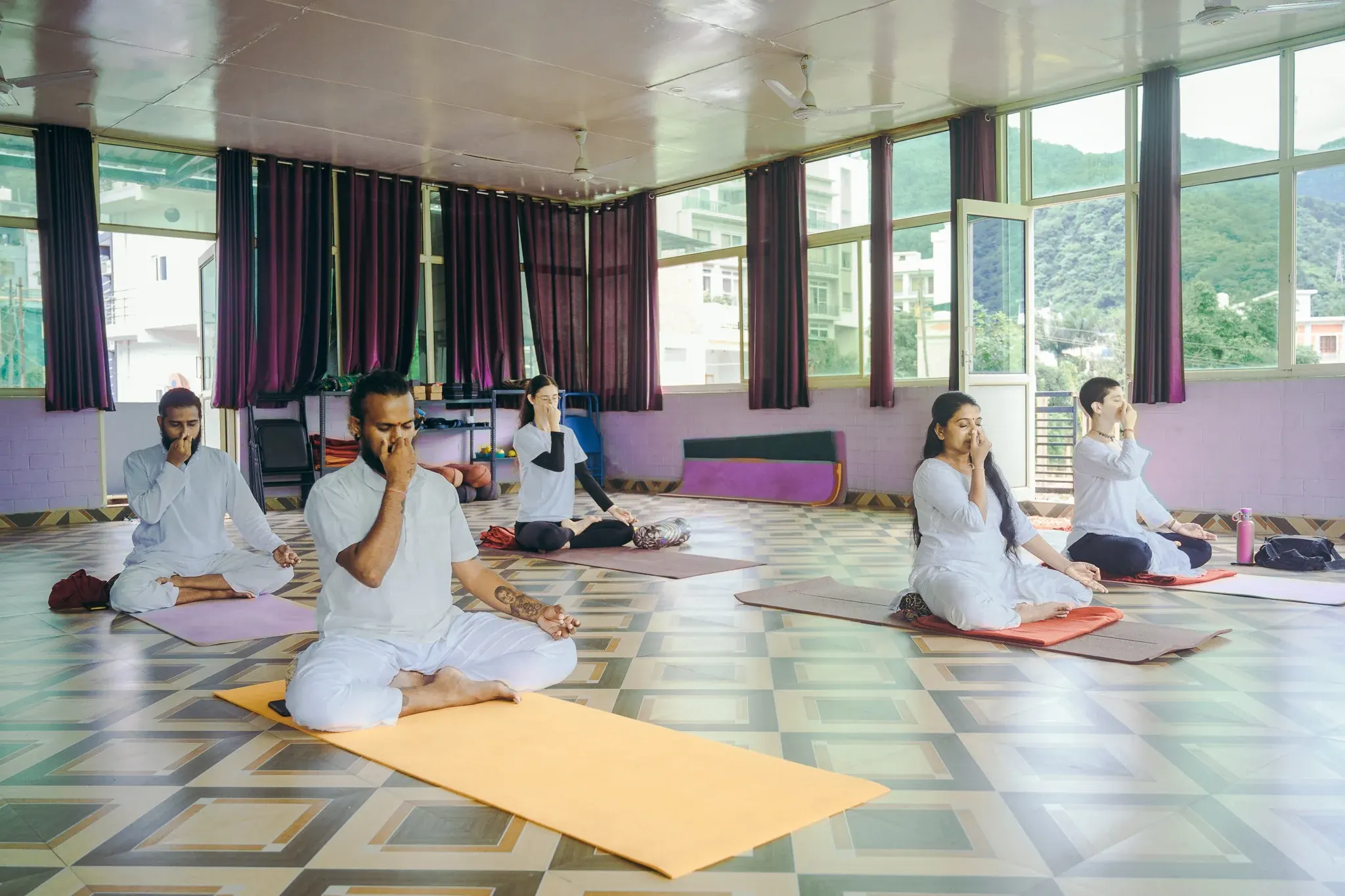
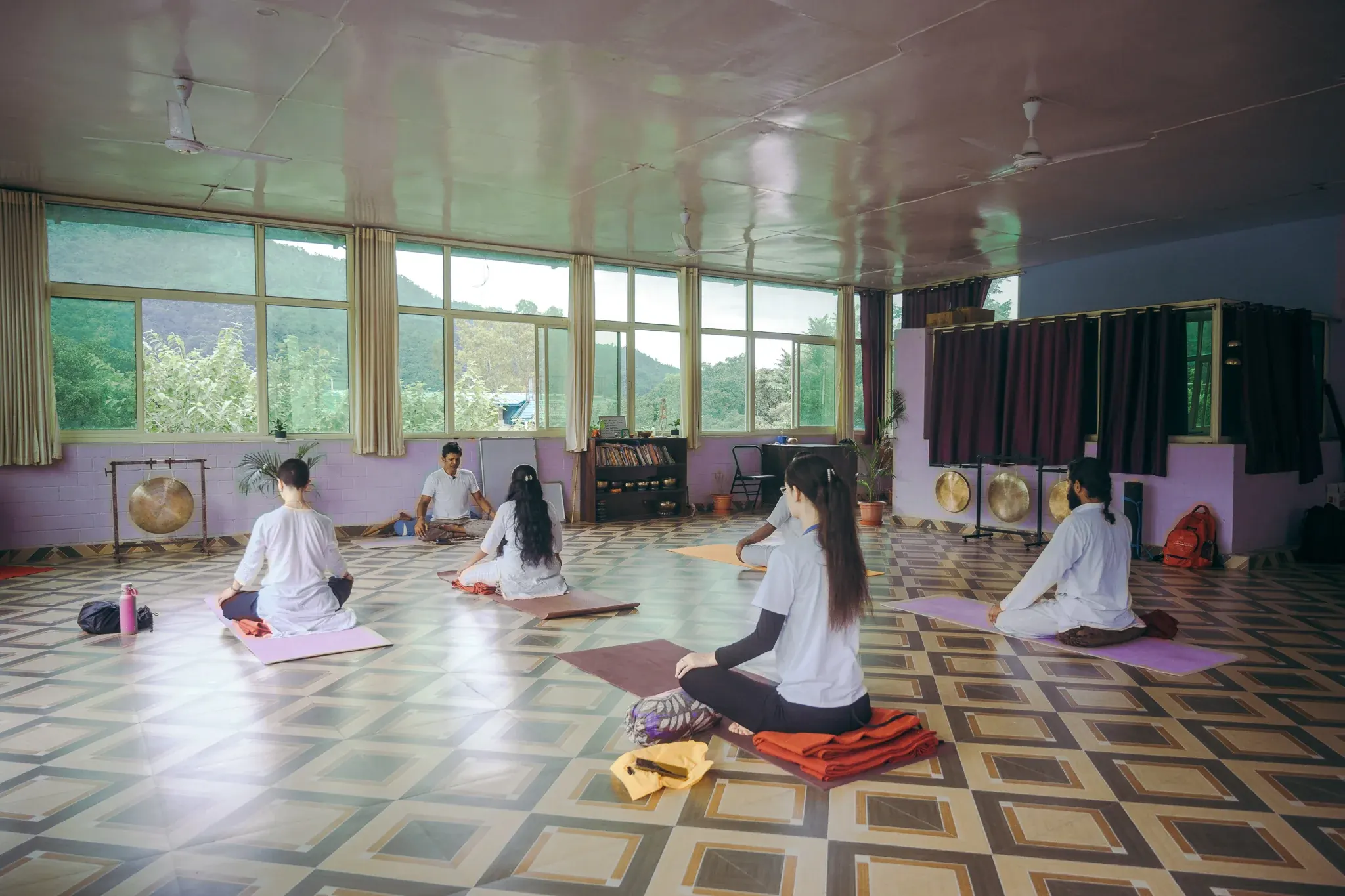
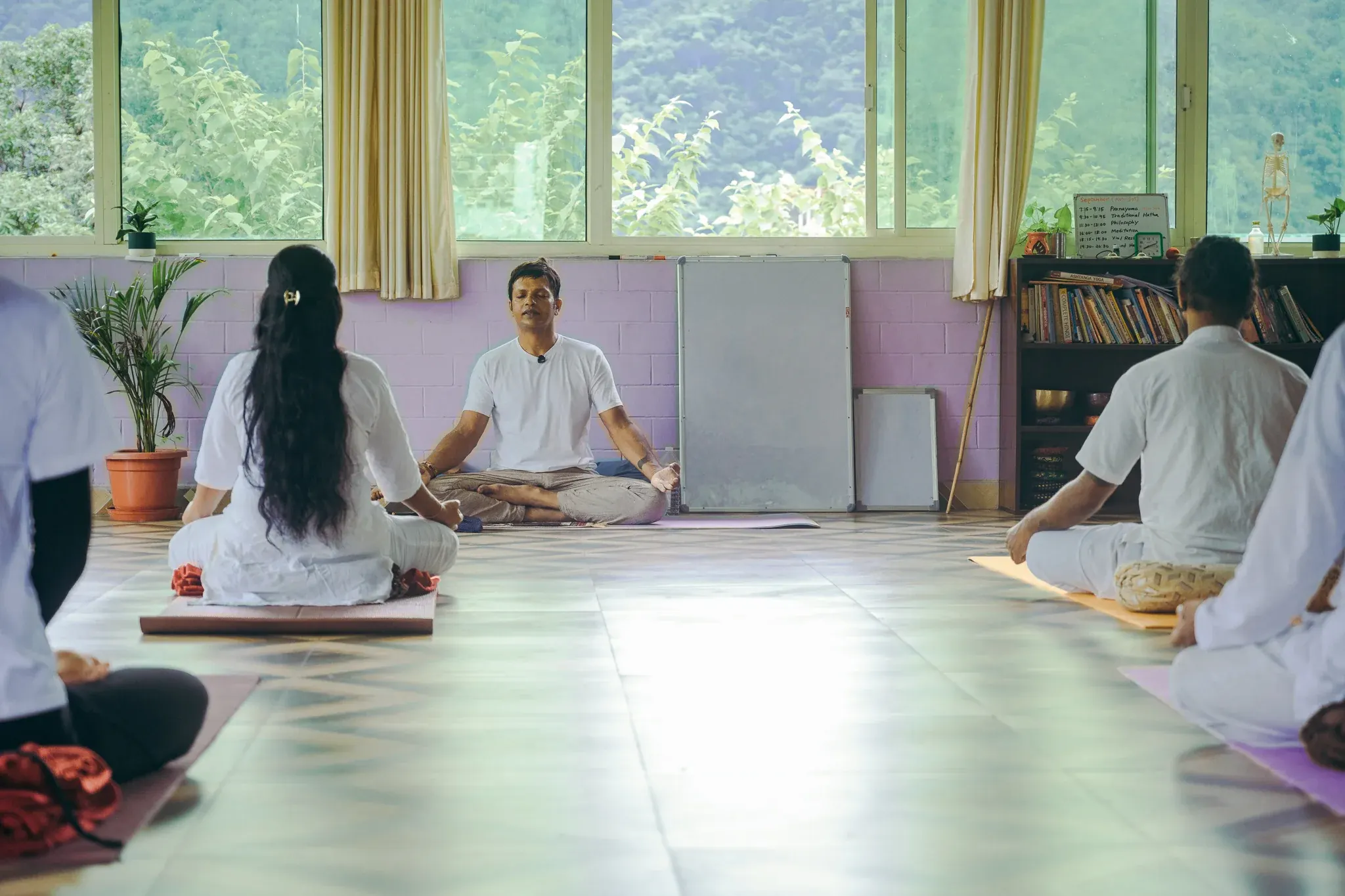
The US$149 tuition covers every guided hour of the week: two sessions a day on six teaching days, about 18 hours in all. From 07:30 to 09:00 the group practises the day's techniques in sequence. From 11:30 to 13:00 there are corrections, more practice, and the science and philosophy of pranayama, drawing on classical texts such as Patanjali's Yoga Sutras and the Hatha Yoga Pradipika. Classes run Monday to Saturday, and Sunday is a rest day.
In that week you learn the foundation every longer course is built on:
- Kapalabhati, bhastrika, yogic breath and agnisara
- Ujjayi pranayama
- The three bandhas: Mula, Uddiyana and Jalandhara
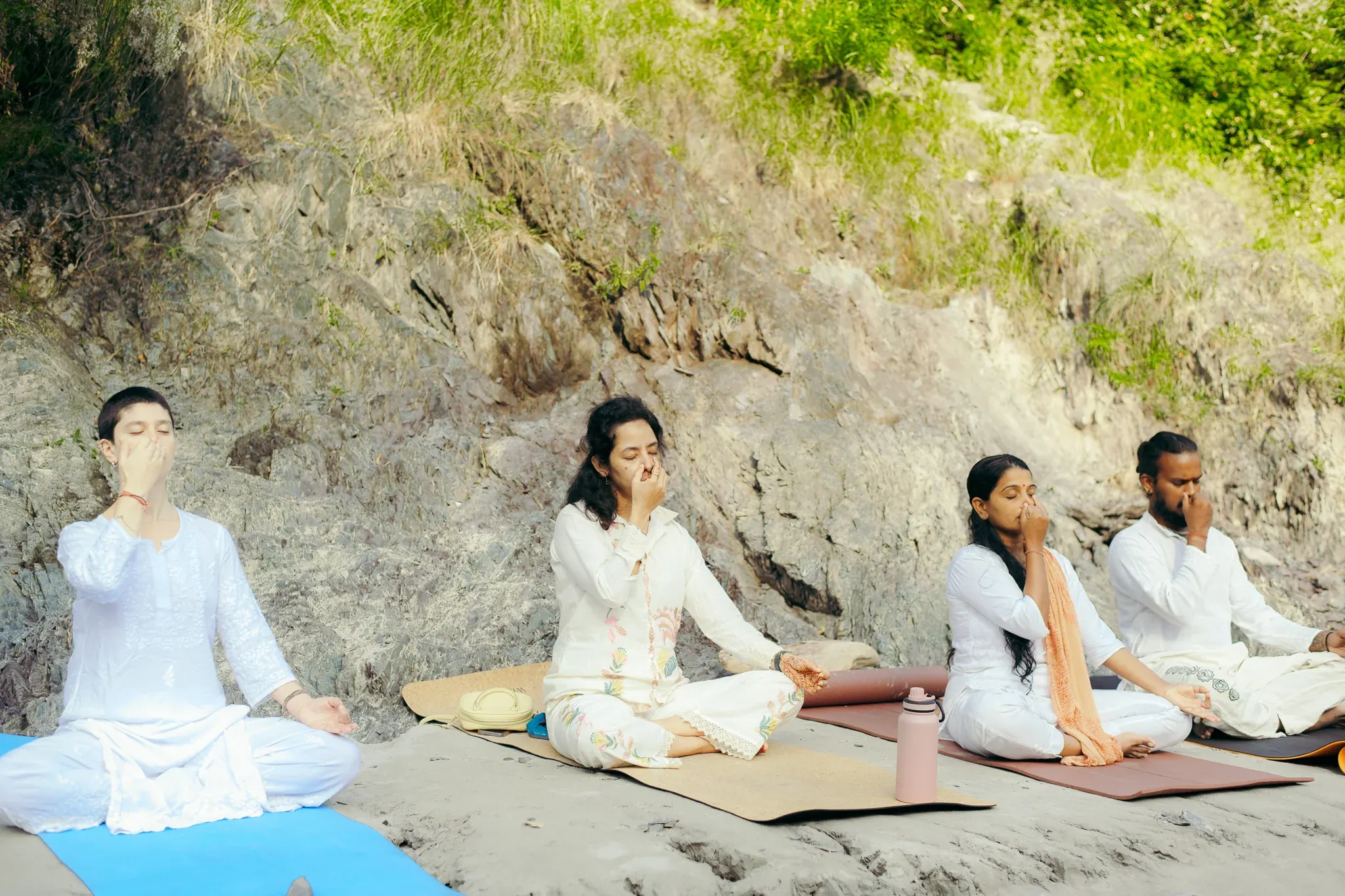
- Nadi Shodhana with Chandra nadi and Surya nadi bhedana
- Antar and bahya kumbhaka with the bandhas, taught with short, comfortable holds
Mudras and bija mantras are coordinated with the practices, and you learn to observe how each practice influences the mind, the nervous system, the body and the energies.
What does the 7-day tuition not cover?
The fee is tuition only, so accommodation, meals and travel are not included. We help you find a room nearby in Tapovan when you enquire; tell us your dates and budget. Lower Tapovan has guesthouses and cafés within walking distance of the shala, and the Tapovan guide describes the area.
It's also worth being clear about what the course is not:
- It is not a yoga teacher training. It doesn't lead to a teaching qualification, and no certificate is claimed.
- It is not a holiday package. The week is built around two daily sessions of breath practice and study.
- It is not the whole curriculum. The 15-day and 30-day courses go further, with Maha bandha, the nadi pranayamas, the kumbhakas developed further and, in the month, the chakra pranayamas.
Why do some 7-day pranayama listings cost around US$600?
Most of the difference is accommodation and food. Some booking-site listings for a week of pranayama in Rishikesh show prices around US$600, and those packages typically bundle six nights' accommodation and three meals a day with the classes. A tuition-only course and an all-inclusive retreat package are different products, so the fair comparison is like for like: tuition against tuition, or our tuition plus a room and meals you choose against the package price.
Neither model is better. A package is convenient if you want everything arranged. Tuition only suits people who'd rather choose their own room, eat where they like, or stay on in Rishikesh after the course. Before you book anything, ask what the price includes, how many hours a day are guided practice, and what the refund terms are.
What does a teaching day feel like?
A teaching day is two focused sessions with a long, quiet gap between them. You arrive at the shala before 07:30 on an empty or light stomach and practise for ninety minutes. Then you have breakfast and rest while the practice settles. At 11:30 you come back for corrections and more practice, and then the science and philosophy of pranayama, until 13:00. The afternoon is free: many students walk by the Ganga, read, or sleep.
Three guided hours may sound light. In practice, the mornings ask a lot of you, and the gap between sessions is part of the method. It gives your nervous system time to absorb the practice before you add more.
Who is the 7-day course right for?
The 7-day course suits anyone who wants a real foundation in pranayama in one week, taught in person. Some prior yoga or breathing practice helps, and healthy, sincere beginners can join it. It also works well for yoga practitioners who want pranayama taught properly, or for people who have tried breathwork and want the traditional method behind it.
It isn't right if you need a teaching credential, or if breath retention is unsafe for you. If you are pregnant, or have high blood pressure, a heart condition, recent surgery, glaucoma or raised eye pressure, epilepsy, or a serious psychiatric condition, consult your doctor before booking and tell the teacher. The course is not medical treatment.
Should you choose 7, 15 or 30 days?
Choose 7 days if a week is the time you have, and a longer course if you can stay. All three lengths start together on the same day and share the same first week, and there are no mid-month starts, so decide before you arrive. If you think you may want more than a week, the 15-day course (US$229, ₹20,000) or the 30-day course (US$349, ₹30,000) is the way to get it. Our one-month course guide explains how the practice develops over 30 days.
How do you plan a week in Rishikesh?
Plan to arrive a day or two before the 1st, so you're rested for the first 07:30 session. The nearest airport is Jolly Grant, Dehradun, about 22 km from Rishikesh. The shala is near Moktan Coffee Shop in Lower Tapovan, a short walk from Laxman Jhula and the Ganga. October to November and February to April are the most comfortable months; our guide to the best time to visit Rishikesh covers the rest. Upcoming start dates are on the dates page.
You can read about your teacher, Somashekar, before you write to us. He has devoted more than fifteen years to the study and teaching of yoga, pranayama, yoga philosophy and Vedic chanting.
When you're ready, the 7-day course section of the Advanced Pranayama & Yoga Philosophy Course page has the full curriculum, dates and an enquiry form. A 20% deposit can reserve your place, but you don't need to pay anything to ask a question.
Frequently asked questions
How much does a 7-day pranayama course in Rishikesh cost?
Prices depend on what is bundled in. At Anantadrishti Yoga, tuition for the 7-day Advanced Pranayama & Yoga Philosophy Course is US$149 (₹13,000), tuition only. Retreat packages that include a room and meals are priced higher, so compare what each price includes, not just the number.
What does the US$149 tuition include?
Both daily sessions on six teaching days (07:30–09:00 and 11:30–13:00), about 18 guided hours in total: pranayama practice, corrections, the bandhas, mudras and bija mantras, and the science and philosophy of pranayama. Accommodation, meals and travel are not included.
Is accommodation included in the 7-day pranayama course?
No. The fee is tuition only. The school helps you find a room nearby in Tapovan when you enquire; tell it your dates and budget.
When does the 7-day course start?
On the 1st of the month, or Monday the 2nd when the 1st is a Sunday. The 7-day, 15-day and 30-day courses all start together, and there are no mid-month starts. Upcoming dates are on the school's dates page.
Can a beginner join the 7-day course?
Yes, if you are healthy and sincere. Some prior yoga or breathing practice helps. Kumbhaka (breath retention) is taught with short, comfortable holds. If you are pregnant or have a heart condition, high blood pressure or another serious condition, consult your doctor first and tell the teacher.
Do I get a certificate after the 7-day course?
No certificate is claimed for the course. It is an in-depth practitioner course for your own practice, not a yoga teacher training, and it does not lead to a teaching qualification.
CategoryPranayama
Advanced Pranayama Course
Go deeper: the Advanced Pranayama Course in Rishikesh
- 7, 15 or 30 days
- A new start every month
- Taught in English
Tuition from$149₹13,000