Teacher Training
How to Choose a Yoga Teacher Training Program
Everything to look for — and avoid — when selecting a YTT. Certification, curriculum, class size, faculty, and accommodation explained.
Somashekar
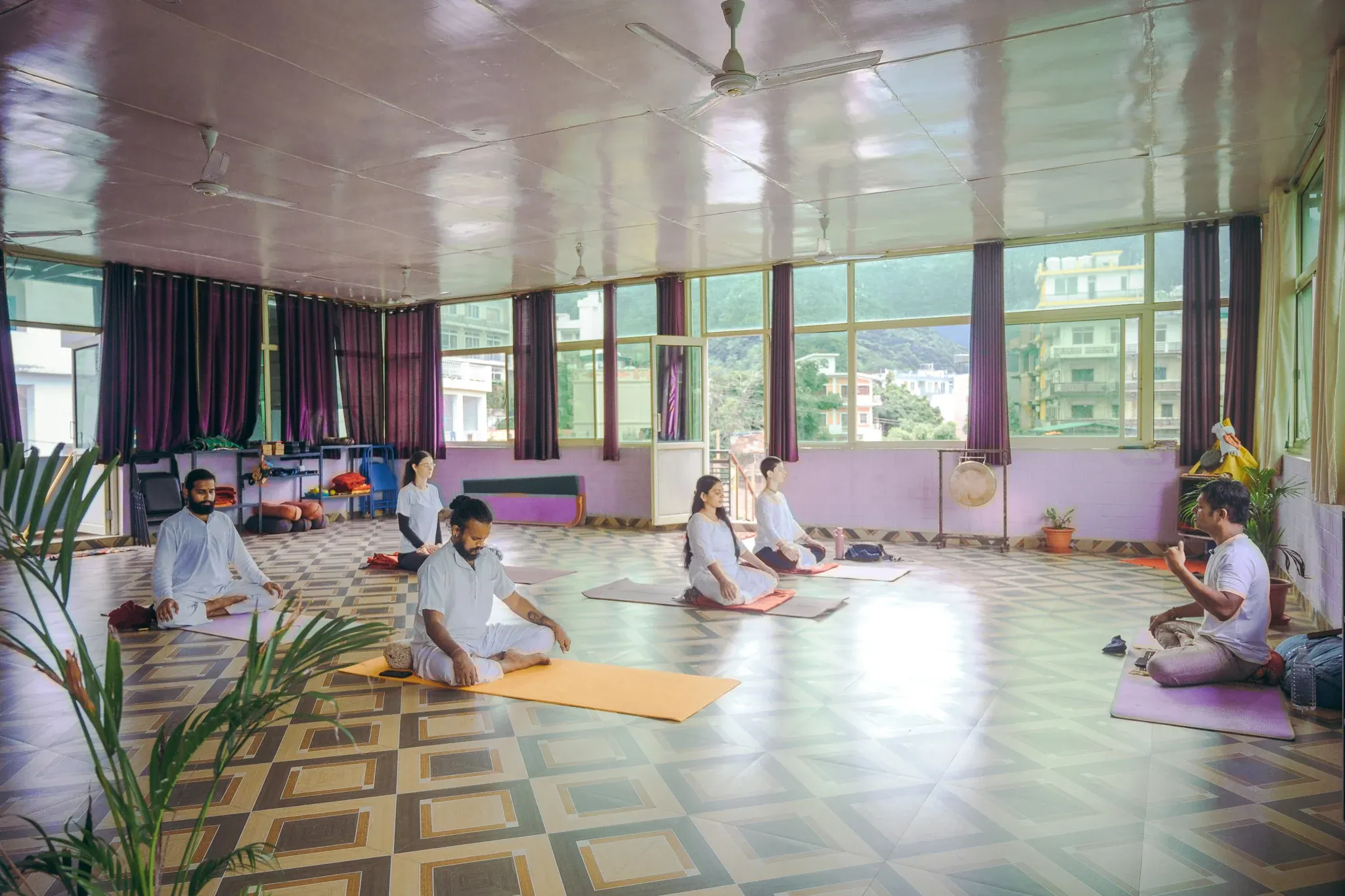
Choosing the right yoga teacher training (YTT) is one of the most important decisions you'll make on your yoga journey. This guide breaks down exactly what to look for — and what to avoid.
1. Registration: Check It Yourself
If you want an internationally recognised teaching credential, check whether the school is registered with Yoga Alliance as a Registered Yoga School (RYS), and look it up in the Yoga Alliance directory yourself rather than relying on a badge on a website. Graduates of a registered 200-hour program can then register as an RYT 200.
If you already teach, a 300-hour advanced training is the usual next step. If the RYT 500 credential matters to you, confirm the school's registration at that level before you book. Learn more: 200 vs 300 Hour Yoga Teacher Training.
2. Location: Where Should You Train?
Your training environment profoundly shapes your experience. There are compelling reasons why Rishikesh is considered the yoga capital. The affordability is another major advantage (see our complete cost comparison).
3. Curriculum: What Should Be Covered?
A well-rounded YTT should cover five pillars:
- Asana Practice & Teaching Methodology
- Pranayama & Meditation
- Yoga Philosophy
- Anatomy & Physiology
- Teaching Practicum
At Anantadrishti's 200-hour program, we dedicate significant hours to each pillar.
4. Class Size and Teacher-to-Student Ratio
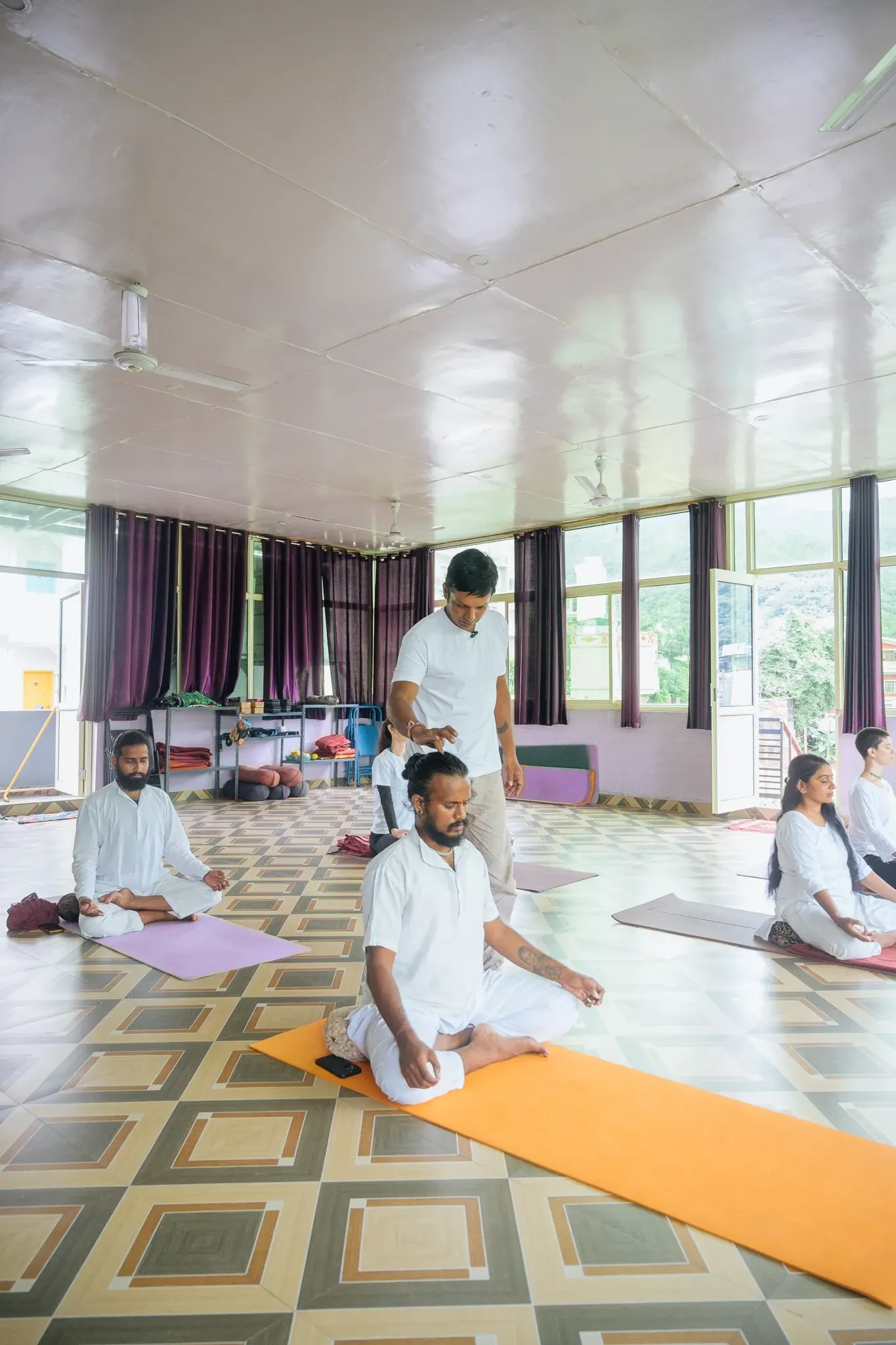
Look for programs that cap enrollment at 15–20 students. Small batches ensure your teachers actually know your name, your practice, and your goals.
5. Faculty Credentials and Experience
Research the lead teachers. How long have they been practicing? Do they have a lineage or traditional training?
6. Accommodation and Daily Schedule
Key questions: Is food included? Are rooms shared or private? Find out what to pack and what daily life looks like.
Ready to Start?
Whether you're drawn to the 100-hour foundation course, the 200-hour full training, or the advanced 300-hour program, the most important step is the first one.
CategoryTeacher Training
Cours de pranayama avancé
Aller plus loin : le cours de pranayama avancé, 7, 15 ou 30 jours
- 7, 15 ou 30 jours
- Un nouveau départ chaque mois
- Enseigné en anglais
Frais de cours dès149 $US13 000 ₹