Pranayama: Yogic Breathing Techniques, Step by Step
Advanced Pranayama Course
Go deeper: the Advanced Pranayama Course, 7, 15 or 30 days
- 7, 15 or 30 days
- A new start every month
- Taught in English
Tuition from149 USD13.000 ₹
What is Pranayama?
Pranayama is the fourth limb of Patanjali's Ashtanga Yoga and the foundational practice for mastering the life force that animates every living being. The word comes from two Sanskrit roots: "prana" (vital life force or breath) and "ayama" (extension, expansion, or control). Together, pranayama means the conscious regulation and expansion of the vital breath.
तस्मिन् सति श्वासप्रश्वासयोर्गतिविच्छेदः प्राणायामः
Pranayama is the regulation of the incoming and outgoing breath.
Regular pranayama practice purifies the nadis (energy channels), calms the mind, increases vitality, and prepares the practitioner for meditation. In traditional yoga, pranayama is never treated as mere breathing exercise; it is a sophisticated system of energy management that directly influences the state of consciousness.
The ancient rishis of India understood that the breath is the most accessible bridge between the body and mind. When the breath is irregular, the mind is agitated. When the breath is slow and steady, the mind becomes calm and focused. This is why Patanjali placed pranayama immediately after asana (physical postures) and before pratyahara (sense withdrawal) in the eight limbs of yoga: it is the essential gateway from the external practices to the internal journey.
In the Hatha Yoga Pradipika, Swatmarama teaches that pranayama should be practiced only after the body has been purified through asana and shatkarma (cleansing practices). When pranayama is practiced correctly and consistently, it awakens the dormant kundalini energy, purifies all 72,000 nadis, and prepares the practitioner for the higher stages of yoga: dharana (concentration), dhyana (meditation), and ultimately samadhi (absorption).
At Anantadrishti Yoga in Rishikesh, we teach pranayama as it was meant to be learned: systematically, traditionally, and with respect for the profound transformative power of the breath. Whether you are a complete beginner seeking stress relief or an advanced practitioner exploring kumbhaka (breath retention) and the subtler dimensions of prana, our experienced teachers guide each student according to their capacity and readiness.
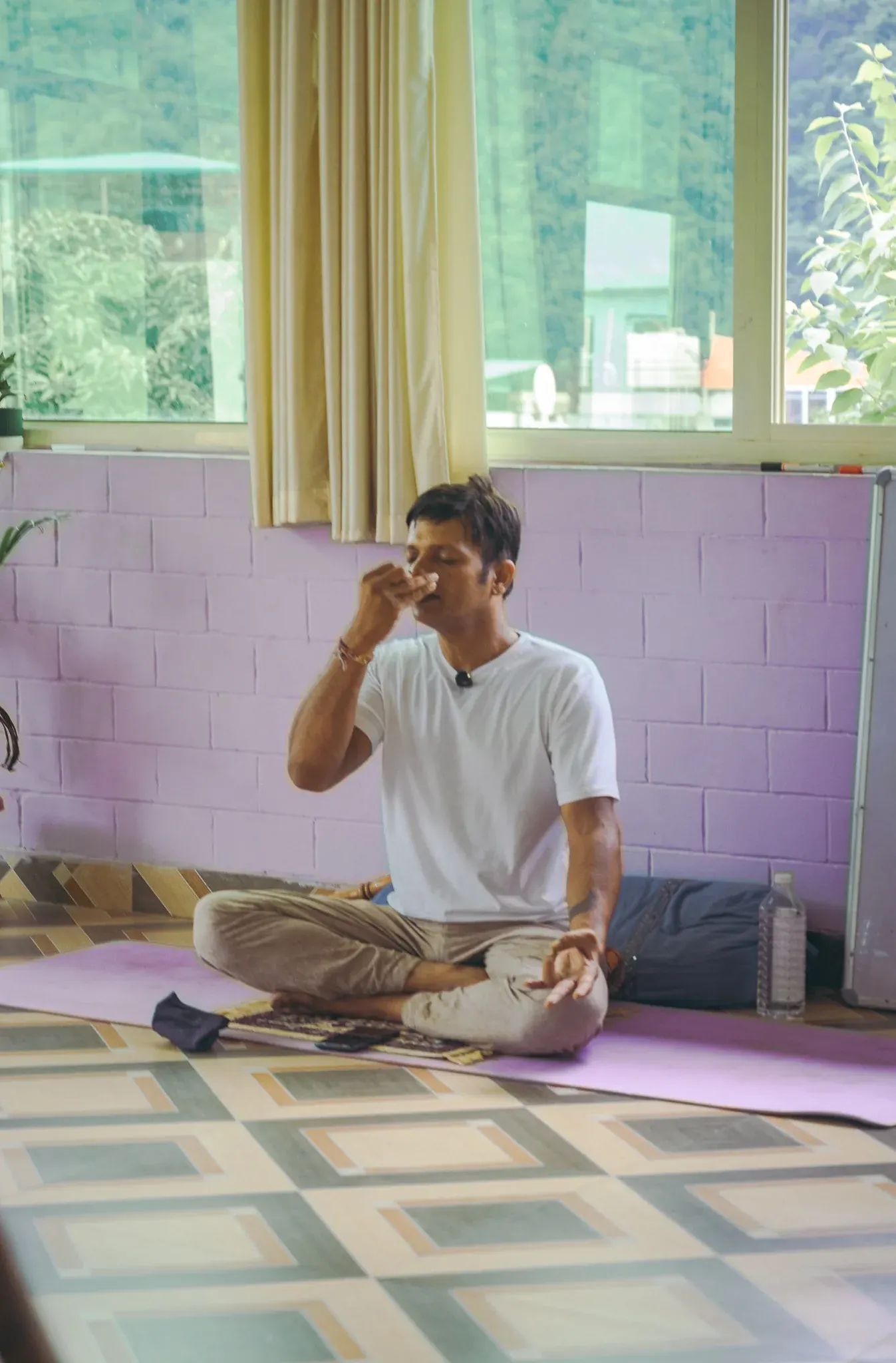
In-Depth Guides
Explore Pranayama Techniques
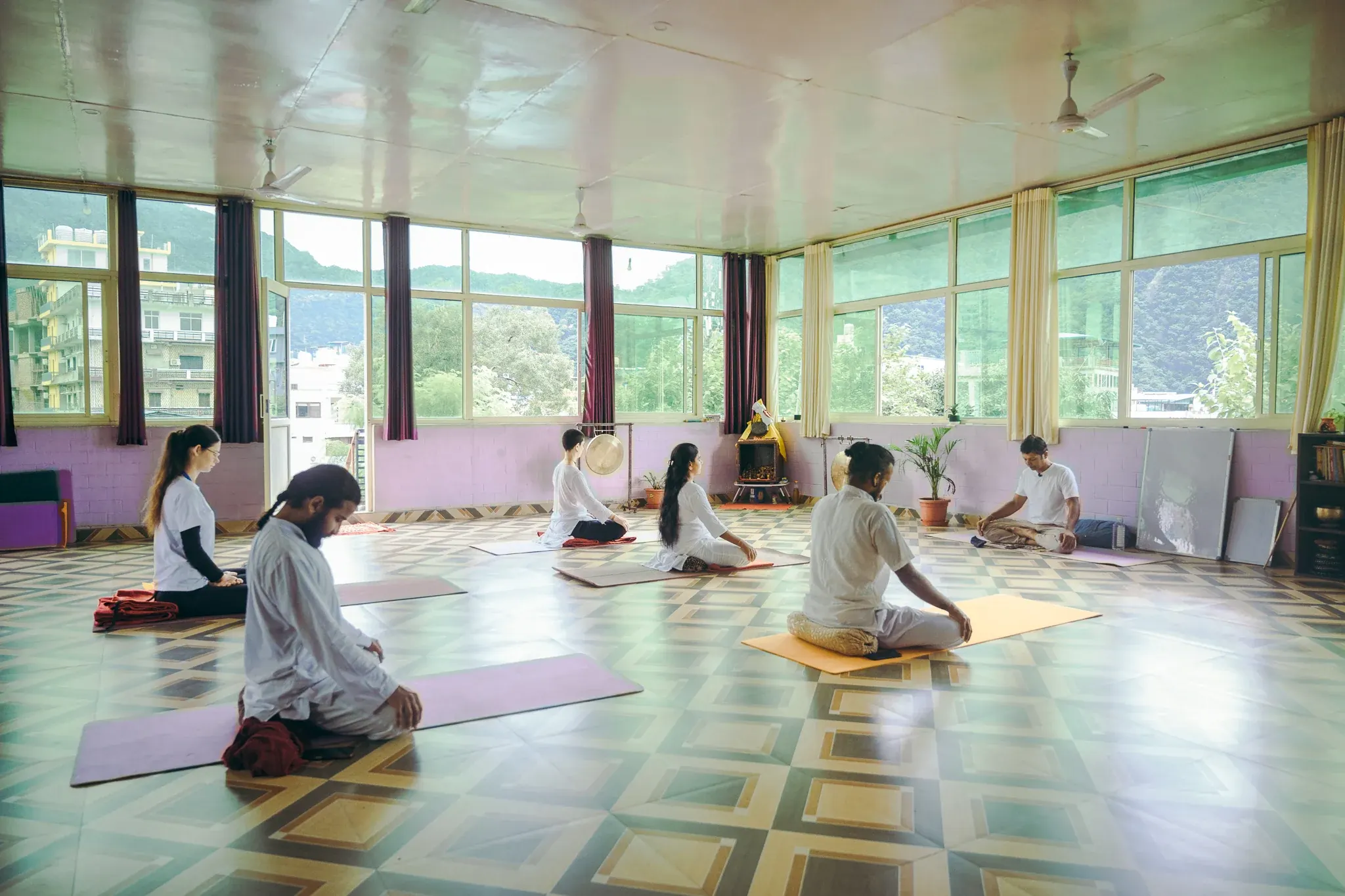
- भ्रामरी प्राणायाम
Bhramari Pranayama
Humming Bee BreathA calming technique that uses a gentle humming sound to soothe the nervous system and relieve stress.
Read Full Guide - अनुलोम विलोम
Anulom Vilom
Alternate Nostril BreathingBalances the left and right energy channels through rhythmic nostril alternation for deep nervous system harmony.
Read Full Guide - नाडी शोधन प्राणायाम
Nadi Shodhana
Channel-Purification BreathThe scriptural alternate-nostril breath with kumbhaka (retention), said in yoga to purify the nadis and awaken the central sushumna channel.
Read Full Guide - सूर्य एवं चन्द्र भेदन
Surya & Chandra Bhedana
Single-Nostril BreathingThe solar and lunar breaths of the Hatha Yoga Pradipika — surya bhedana heats through the right nostril (pingala), chandra bhedana cools through the left (ida).
Read Full Guide - कपालभाति प्राणायाम
Kapalbhati Pranayama
Skull-Shining BreathA cleansing technique of rapid, forceful exhalations, practised to energise the body and clear the mind.
Read Full Guide - भस्त्रिका प्राणायाम
Bhastrika Pranayama
Bellows BreathAn energizing technique with forceful active inhalation and exhalation that builds internal heat and floods the body with vitality.
Read Full Guide - शीतली एवं शीतकारी
Sheetali & Sheetkari
Cooling BreathsCooling breaths drawn across the tongue and teeth to lower body heat, balance pitta, and soothe the mind in warm weather.
Read Full Guide - उज्जायी प्राणायाम
Ujjayi Pranayama
Victorious BreathA warming technique with gentle throat constriction, creating an oceanic sound that builds focus and internal heat.
Read Full Guide - कुम्भक
Kumbhaka
Breath retentionAntar and bahya kumbhaka: holding the breath in and out, with the bandhas, and how to begin safely.
Read Full Guide - बन्ध
Bandhas
Yoga's energy locksMula, Uddiyana, Jalandhara and Maha bandha: what each lock is, and how it joins pranayama and kumbhaka.
Read Full Guide - प्राणायाम के प्रकार
Types of Pranayama
Complete GuideExplore all 15 classical and modern pranayama techniques with detailed instructions, benefits, and difficulty levels.
Read Full Guide - प्राणायाम के लाभ
Pranayama Benefits
Science & TraditionWhat research and the yogic tradition say about the effects of regular pranayama practice.
Read Full Guide
Classical Wisdom
Ancient Teachings on Pranayama
चले वाते चलं चित्तं निश्चले निश्चलं भवेत्
cale vāte calaṃ cittaṃ niścale niścalaṃ bhavet
When the breath moves, the mind moves. When the breath becomes steady, the mind becomes steady.
यथा सिंहो गजो व्याघ्रो भवेद्वश्यः शनैः शनैः । तथैव सेवितो वायुरन्यथा हन्ति साधकम् ॥
yathā siṃho gajo vyāghro bhaved vaśyaḥ śanaiḥ śanaiḥ | tathaiva sevito vāyur anyathā hanti sādhakam
As a lion, an elephant or a tiger is tamed only slowly, so the breath is brought under control step by step. Otherwise it harms the practitioner.
योगी स्थाणुत्वमाप्नोति ततो वायुं निरोधयेत्
yogī sthāṇutvam āpnoti tato vāyuṃ nirodhayet
The yogi attains steadiness; therefore, one should restrain the breath.
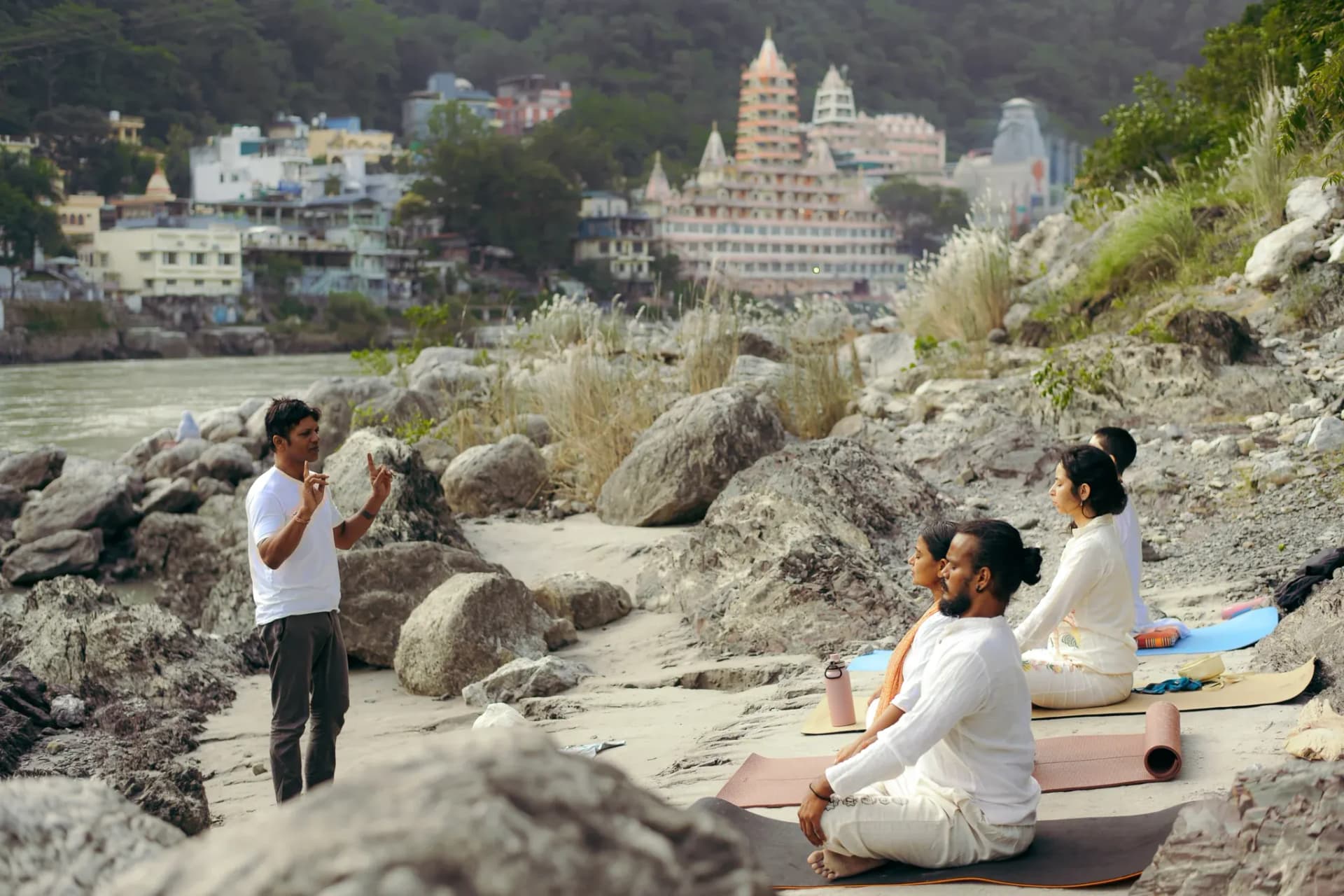
Pranayama on the banks of the Ganga, Rishikesh
Prana Vidya
Understanding Vital Energy
The 5 Pranas (Panca Prana)
Prana
Inward moving energy (Head & Chest). Governs intake, inspiration, and the vital force of life.
Apana
Downward moving energy (Pelvis). Governs elimination, reproduction, and grounding.
Samana
Balancing energy (Navel). Governs digestion, assimilation, and metabolic processes.
Udana
Upward moving energy (Throat). Governs speech, growth, expression, and spiritual ascent.
Vyana
Circulating energy (Whole Body). Governs circulation, movement, and distribution of nutrients.
Alpa-prana vs Maha-prana
In Sanskrit, sounds are classified by breath volume. Alpa-prana (little breath) sounds require minimal effort, while Maha-prana (great breath) sounds require a forceful expulsion of vital energy. This linguistic science mirrors the yogic science of energy management and demonstrates how deeply the understanding of prana is woven into Indian culture.
In the tradition's own words
प्राणायामेन युक्तेन सर्वरोगक्षयो भवेत् । अयुक्ताभ्यासयोगेन सर्वरोगसमुद्भवः ॥
prāṇāyāmena yuktena sarvaroga-kṣayo bhavet | ayuktābhyāsa-yogena sarvaroga-samudbhavaḥ
With pranayama rightly practised, all disorders are said to wane; with wrong practice, they arise.
The Hatha Yoga Pradipika states this as the tradition's view, not as medical evidence. Pranayama complements medical care and never replaces it. If you are pregnant, or have high blood pressure, a heart condition, glaucoma, epilepsy or recent surgery, consult your doctor before practising and tell your teacher.
Pranayama and Meditation
The Yoga Sutras teach that pranayama makes the mind "fit for concentration" (dharanasu ca yogyata manasah, Sutra 2.53). By systematically calming the breath, the practitioner calms the fluctuations of the mind, creating the ideal foundation for deep meditation and self-inquiry.
What Students Notice
Benefits of Pranayama Practice
Mental Clarity & Focus
Holding attention on the count and the breath trains concentration. Students often notice a clearer, steadier mind after practice.
Energy & Alertness
Energising practices such as Kapalabhati and Bhastrika leave most practitioners feeling awake and alert. In yogic terms, they build prana.
A Calmer State
Research suggests that slow, regulated breathing may increase parasympathetic, rest-and-digest activity. Many students feel calmer after slow practices. It is not a treatment for anxiety.
Breath Control
Regular practice trains the diaphragm and the muscles of breathing. Over the weeks, students notice slower, fuller and more controlled breaths.
Nervous System Awareness
Each practice shifts your state towards alertness or calm. In class, you learn to observe these shifts in your own nervous system.
Meditation Preparation
A steady breath settles the fluctuations of the mind and creates the inner stillness that sustained meditation needs.
Rest Before Sleep
Many students find that gentle evening practices, such as Nadi Shodhana and Bhramari, help them wind down before sleep.
Emotional Steadiness
Working with the breath builds a pause between stimulus and response. Students often notice that they react less quickly.
The Abdomen & Agni
Kapalabhati and Agnisara work the abdominal muscles strongly. In the yogic tradition, they are said to kindle agni, the digestive fire.
Study With Us
Our Pranayama Programs
Frequently Asked Questions About Pranayama
What is pranayama in yoga?
What are the main types of pranayama?
Can beginners practice pranayama?
How long does a pranayama course in Rishikesh last?
What is the best time to practice pranayama?
How long should a pranayama session last?
Can pranayama help with anxiety and stress?
What is the difference between pranayama and breathwork?
Advanced Pranayama Course
Go deeper: the Advanced Pranayama Course, 7, 15 or 30 days
- 7, 15 or 30 days
- A new start every month
- Taught in English
Tuition from149 USD13.000 ₹
Deepen Your Practice
Explore our guides on breathwork science, philosophy, and techniques
- Science
How Breathwork Changes Your Brain Waves
The neuroscience behind breathwork, and how different techniques alter brainwave patterns for focus and calm.
- Guide
What is Breathwork? Complete Guide
Breathwork's origins in pranayama, its modern applications, and how to start your practice.
- Techniques
Breathwork Techniques Overview
An overview of breathwork techniques, from classical pranayama to modern therapeutic practices.