Science
How Breathwork May Change Your Brain Waves: Ujjayi & Bandhas
What research suggests about breathwork and brain waves: how slow Ujjayi breathing and Maha Bandha may relate to calmer Alpha and Theta states, and where the evidence is still thin.
SomeshApril 2, 202611 min read
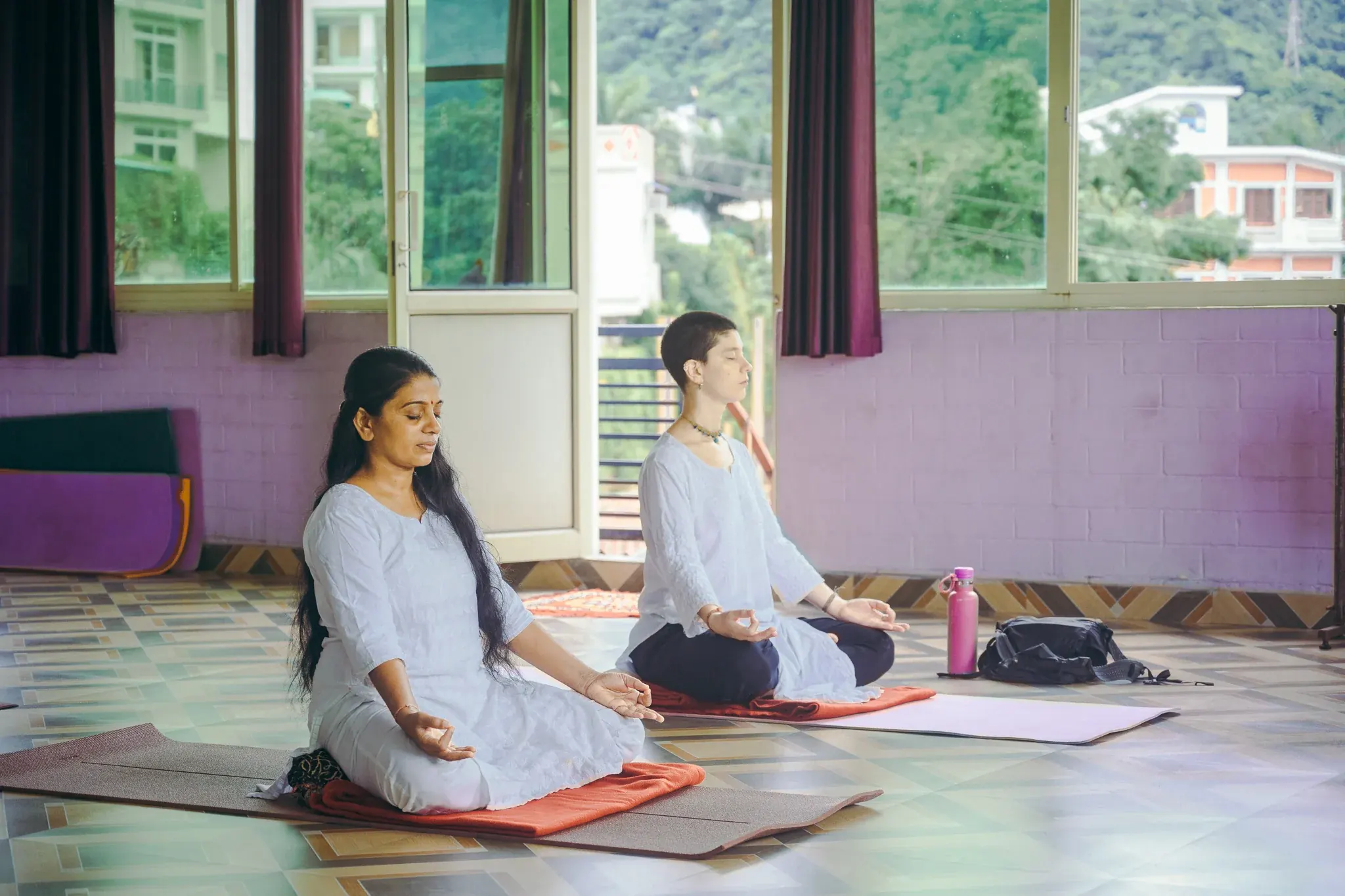
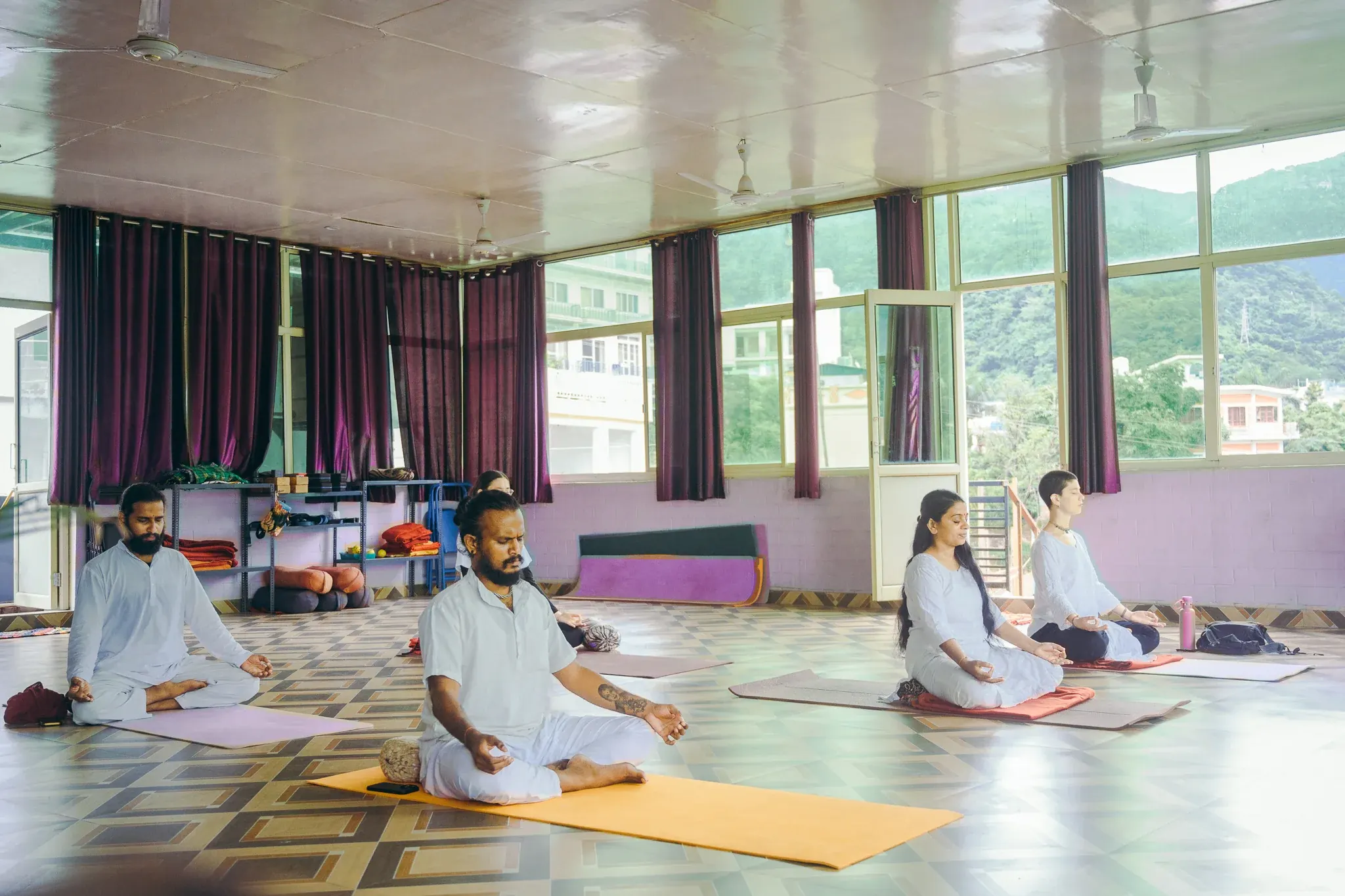
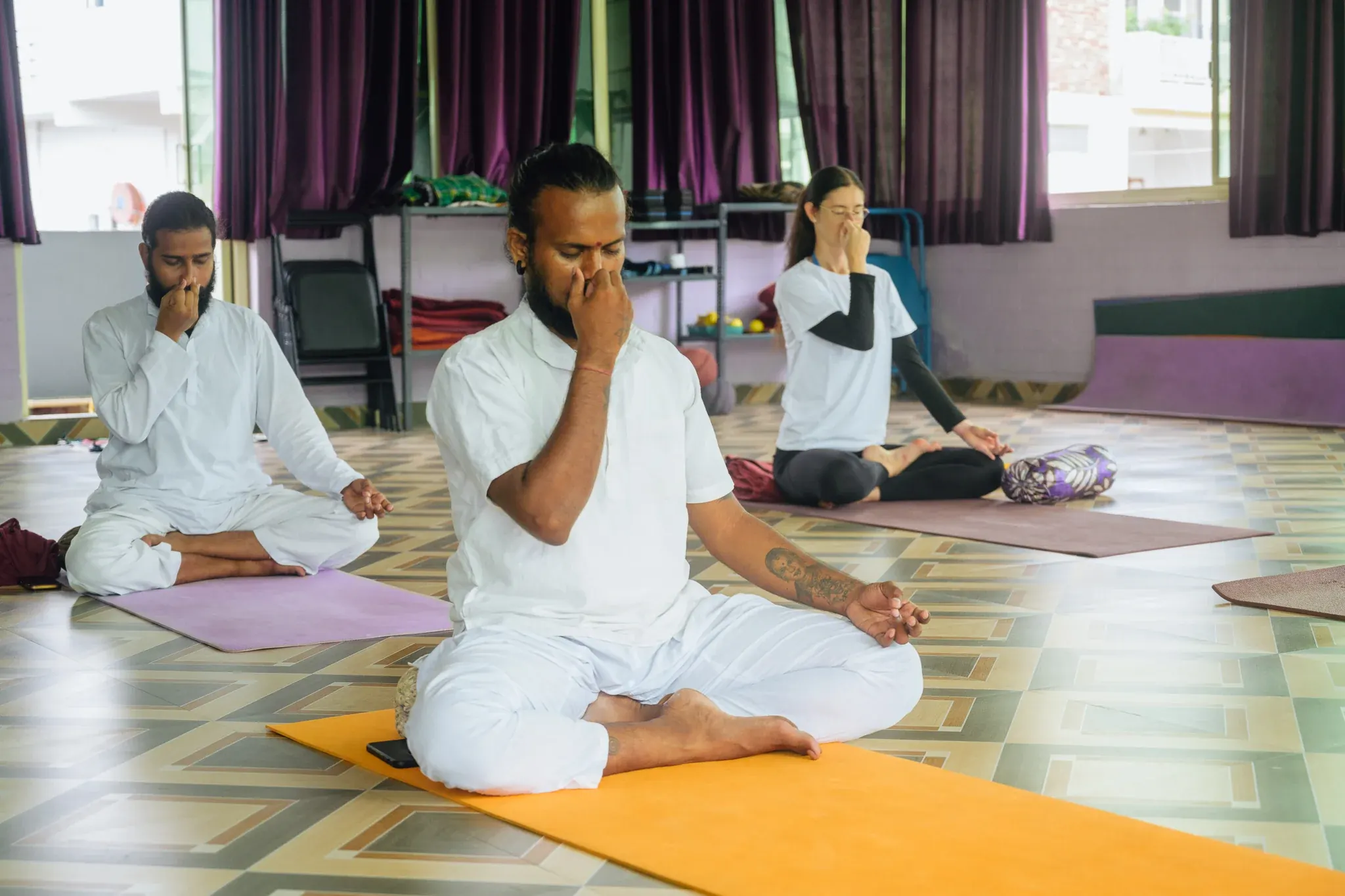
Researchers have begun to study what yogis have described for centuries: the way we breathe is closely linked to how the brain is working. EEG studies of slow breathing and meditation report shifts in brain-wave activity, but most are small, and very little research has looked at Ujjayi Pranayama with Maha Bandha (the three energy locks) specifically. This article sets out what studies suggest, the mechanisms that are proposed, and what practitioners describe, and keeps the three apart.
Understanding Brain Waves
The brain operates through different frequency bands, each associated with a distinct state of consciousness:
| Brain Wave | Frequency | Associated State |
|---|---|---|
| Beta | 13–30 Hz | Active thinking, problem-solving, stress |
| Alpha | 8–12 Hz | Relaxed awareness, calm focus |
| Theta | 4–8 Hz | Deep meditation, creativity, insight |
| Delta | 0.5–4 Hz | Deep sleep, unconscious processing |
Teachers often map the settling that practitioners describe onto these bands: Beta → Alpha → Theta. Treat this as a useful picture of the practice, not as a measurement of what happens in any one person’s brain.
Ujjayi and Brain Waves
Mechanism: Slow, controlled breathing with gentle throat constriction creates continuous sensory feedback through the Ujjayi sound.
What studies of slow breathing suggest:
- Less Beta activity (associated with mental chatter and overthinking)
- More Alpha activity (associated with calm, centred awareness)
What practitioners notice: Within a few minutes of steady Ujjayi, many students say their thinking slows and their attention settles. The rhythmic sound gives the attention an anchor to rest on. Few studies have measured Ujjayi itself, so these effects are best read as likely rather than proven.
Maha Bandha + Kumbhaka and Theta States
Mechanism: Breath retention (Antar Kumbhaka) combined with the three pressure locks (throat, abdomen, pelvic floor) creates a temporary rise in CO₂.
What is proposed:
- More Theta activity, which some studies have recorded during deep meditation; whether retention with bandhas produces it has not been well studied
- Attention turning away from outside sensations
What practitioners describe: Deep inward awareness and the beginnings of meditative absorption. Keep the retention short and comfortable: the aim is stillness, not air hunger.
The Vagus Nerve & Parasympathetic Activity
The vagus nerve — the longest cranial nerve — carries much of the parasympathetic (rest-and-digest) signal. A slow exhale is thought to engage it, and Ujjayi’s gentle throat constriction and the pressure changes of the bandhas may play a part too.
Effects reported in studies of slow breathing:
- A slower heart rate during practice
- Higher heart rate variability (HRV), a common marker of vagal activity
- Less physiological arousal; whether regular practice lowers stress hormones over time is not established
What practitioners describe: A state that feels calm and alert at once, a good condition for both deep practice and focused work.
The Prefrontal-Limbic Balance
A common model holds that calm, attentive breathing lets the prefrontal cortex (focus, decision-making, higher awareness) play a larger part relative to the limbic system (the emotional brain, including the amygdala). It is a plausible picture, but it has not been measured for Ujjayi with bandhas.
What practitioners describe: Steadier emotions and clearer thinking, with more room to notice a reaction before acting on it, without suppressing feeling.
The Reticular Activating System (RAS)
The RAS is a network in the brainstem that helps regulate wakefulness and attention, including what the brain attends to and what it filters out.
What happens in the practice:
- Ujjayi provides rhythmic sensory input (sound + breath rhythm)
- Bandha + retention create internalization (sensory withdrawal)
Proposed effect: Less scattered attention. This is a suggested mechanism, not something that has been tested directly.
What practitioners describe: Concentration with less distraction, as attention turns inward — what the yogic tradition calls pratyahara.
Nada & Brain Entrainment
In the Goraksha Shataka and other yogic texts, the external Ujjayi sound is described as a gateway to internal Nada (subtle inner sound). A neuroscience idea that may relate to this is entrainment:
- Brain activity can fall into step with a rhythmic stimulus, such as a steady sound.
- Whether the soft Ujjayi sound entrains brain waves in this way, or promotes Theta coherence, has not been shown; it remains a hypothesis.
In practice, the Ujjayi sound works as an anchor for attention: a steady rhythm to return to as the practice deepens.
CO₂ Tolerance & Steadiness
During breath retention (kumbhaka):
- CO₂ rises slightly in the bloodstream
- The urge to breathe grows, and you learn to stay at ease with it
With consistent, gentle practice, many practitioners find they stay calmer as the urge to breathe builds, and some say this steadiness carries into daily life. Research on whether CO₂ tolerance training improves resilience to stress is limited.
Summary: The Stages Practitioners Describe
This table summarises how teachers and practitioners often describe the stages of the practice. It is a map, not a measurement.
| Practice Phase | Brain Wave Shift Often Described | Experience |
|---|---|---|
| Ujjayi breathing established | Alpha increases | Calm awareness, reduced mental chatter |
| Bandha + breath retention | Theta increases | Deep inward awareness, meditative absorption |
| Sustained practice (15+ min) | Alpha–Theta coherence | Alert yet deeply calm, internally absorbed |
| Advanced / long-term | Alpha–Theta bridge stabilizes | Pratyahara, Dhyana, Laya (absorption) |
The final state — an alert, deeply calm, and inwardly absorbed mind — is what classical texts describe as the threshold of meditation.
Important note: Overdoing breath retention can cause dizziness. Whatever the practice gives comes from consistency, not force: regular, gentle practice over weeks and months, never aggressive sessions.
This article is general information, not medical advice. If you are pregnant, or have high blood pressure, a heart condition, epilepsy, glaucoma, recent surgery or a serious psychiatric condition, consult your doctor before practising breath retention or bandhas, and learn them with a teacher.
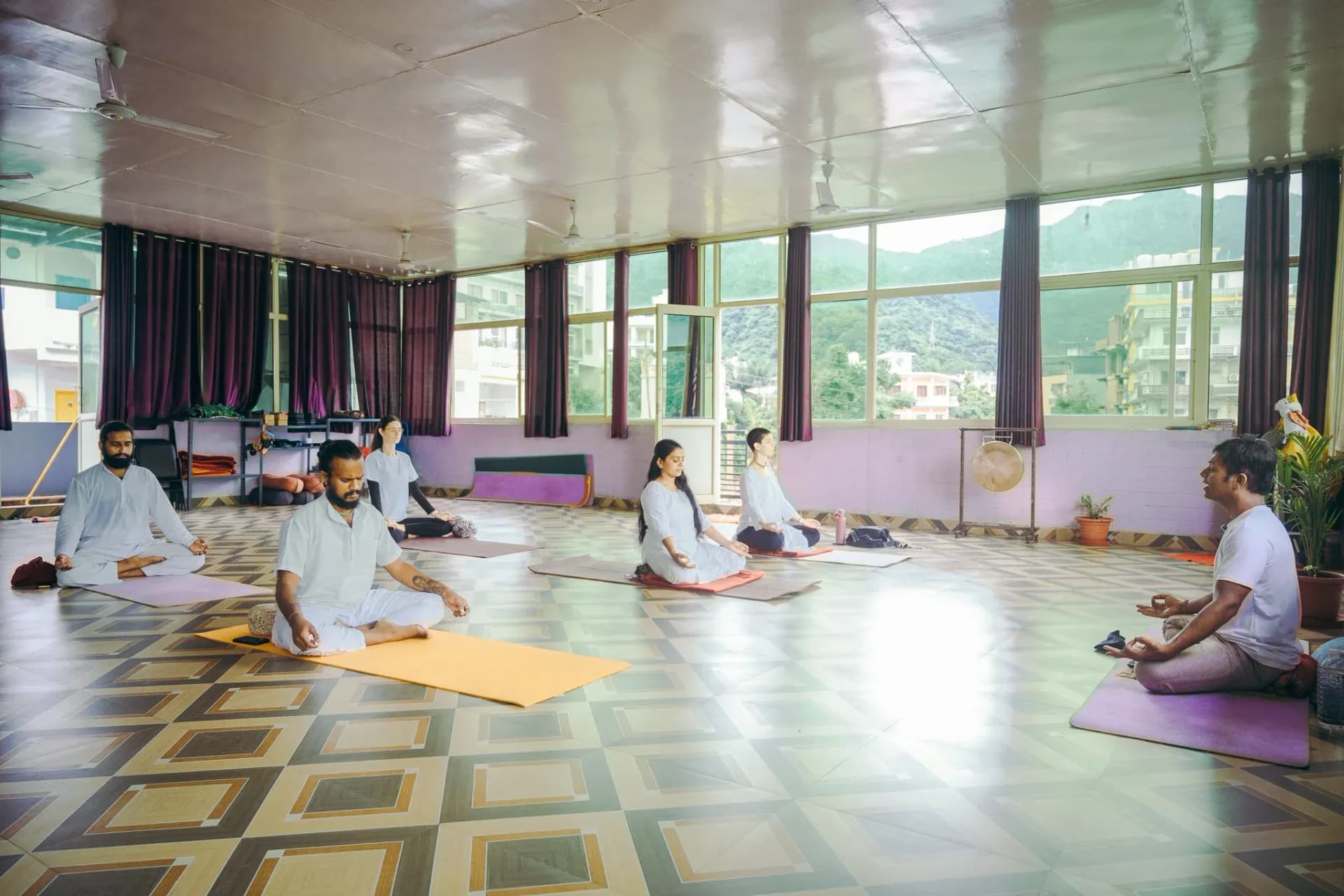
Reading about these changes is one thing; observing them in your own practice is another. In our advanced pranayama course in Rishikesh, students observe how each practice influences the mind, the nervous system, the body and energy, with a session for corrections every teaching day.
Explore further: Breathwork for Healing | Pranayama Benefits | Breathwork Techniques
CategoryScience
Advanced Pranayama Course
Go deeper: a breathwork course rooted in classical pranayama
- 7, 15 or 30 days
- A new start every month
- Taught in English
Tuition from149 USD13.000 ₹