Fundamentals
What Is Breathwork? A Complete Guide to Breathing Practices
The history, styles and science of breathwork, from ancient pranayama to modern techniques, and what research suggests about how conscious breathing affects body and mind.
SomeshApril 1, 20268 min read
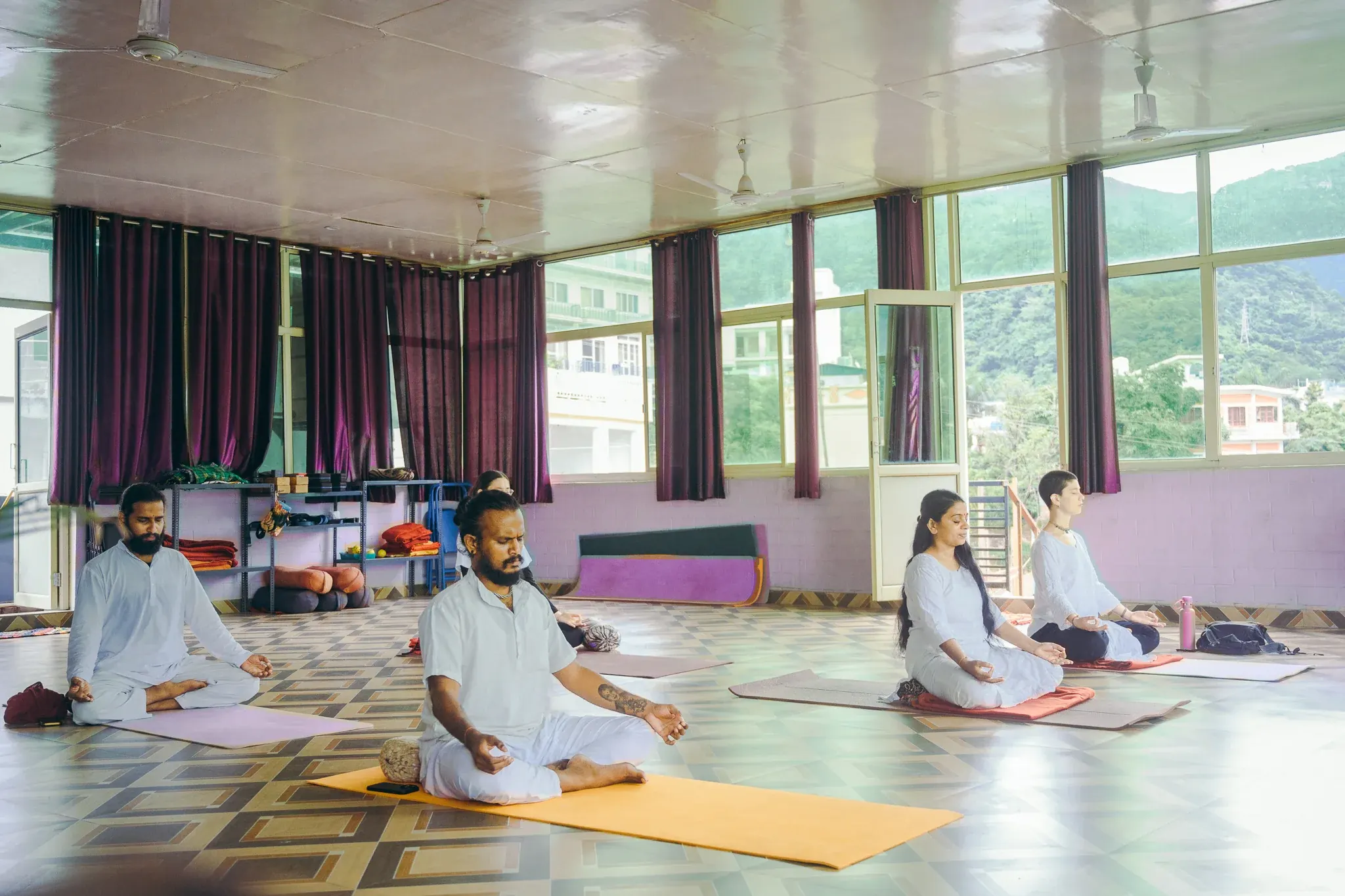
Breathwork is the conscious practice of controlling your breathing to influence your physical, mental, and emotional state. While modern wellness has popularized the term, the roots of breathwork stretch back thousands of years to the ancient Indian science of Pranayama.
The Ancient Origins: Pranayama
The Sanskrit word Pranayama (प्राणायाम) breaks down into two components: Prana (life force / vital energy) and Ayama (extension / control). Long before "breathwork" entered Western vocabulary, yogis in the Himalayas were mapping the breath-body-mind connection with extraordinary precision.
Classical texts like the Hatha Yoga Pradipika (15th century) and Gheranda Samhita describe these techniques in detail and make broad claims for them, which researchers have only recently begun to test:
"प्राणायामेन सर्वरोगक्षयो भवेत्"
Through pranayama, all disturbances and disorders are reduced. — Gheranda Samhita
This is a traditional teaching, not a medical finding. Modern studies are smaller in scope and more cautious, as the next sections show.
Modern Breathwork vs Classical Pranayama
Today's breathwork landscape includes many approaches:
| Style | Origin | Key Characteristic |
|---|---|---|
| Pranayama | Ancient India (3000+ years) | Systematic energy regulation via breath |
| Holotropic | Stanislav Grof (1970s) | Hyperventilation for altered states |
| Wim Hof | Netherlands (2000s) | Cold exposure combined with cycles of deep breathing |
| Box Breathing | US Navy SEALs | Equal-ratio breathing for calm under stress |
| Buteyko | Russia (1950s) | Light, reduced-volume nasal breathing |
At Anantadrishti Yoga, we teach the classical pranayama tradition — the original and most comprehensive breathwork system. Learn about specific techniques in our types of pranayama guide.
The Science: How Breathwork May Affect Your Body
Research on breathwork is still young and many studies are small, but some findings are fairly consistent:
- The vagus nerve — Slow breathing with a long exhale is thought to engage the vagus nerve and tilt the nervous system from fight-or-flight (sympathetic) toward rest-and-digest (parasympathetic) activity. Studies link it with a slower heart rate during practice and, in some small trials, modestly lower blood pressure. Many people simply notice that they feel calmer.
- Brain wave shifts — Small EEG studies suggest slow, rhythmic breathing may shift brain activity from busy Beta waves (often linked with stress) toward Alpha and Theta waves (associated with calm awareness and meditation). The findings vary from study to study.
- CO₂ tolerance — Gradual, comfortable practice of breath retention (kumbhaka) teaches you to stay at ease as carbon dioxide rises. Practitioners often describe a steadier response to stress as a result; research on this is limited.
- Stress hormones — A small 2017 study in Frontiers in Psychology found lower cortisol after eight weeks of diaphragmatic breathing practice. Popular claims that breathwork raises GABA or serotonin rest on very little evidence.
Who Should Practice Breathwork?
The beauty of breathwork is its accessibility. Whether you're a stressed executive, an athlete, a student, or a seasoned meditator, many people find that conscious breathing helps them feel calmer and more focused. Read our guide on breathwork benefits for what the research suggests, benefit by benefit.
Gentle, slow breathing suits most people. If you are pregnant, or have high blood pressure, a heart condition, epilepsy, glaucoma, recent surgery or a serious psychiatric condition, check with your doctor first and avoid breath retention and fast techniques unless they agree.
How to Start
Begin with these foundational practices:
- Diaphragmatic breathing — 5 minutes daily, breathing into your belly rather than your chest
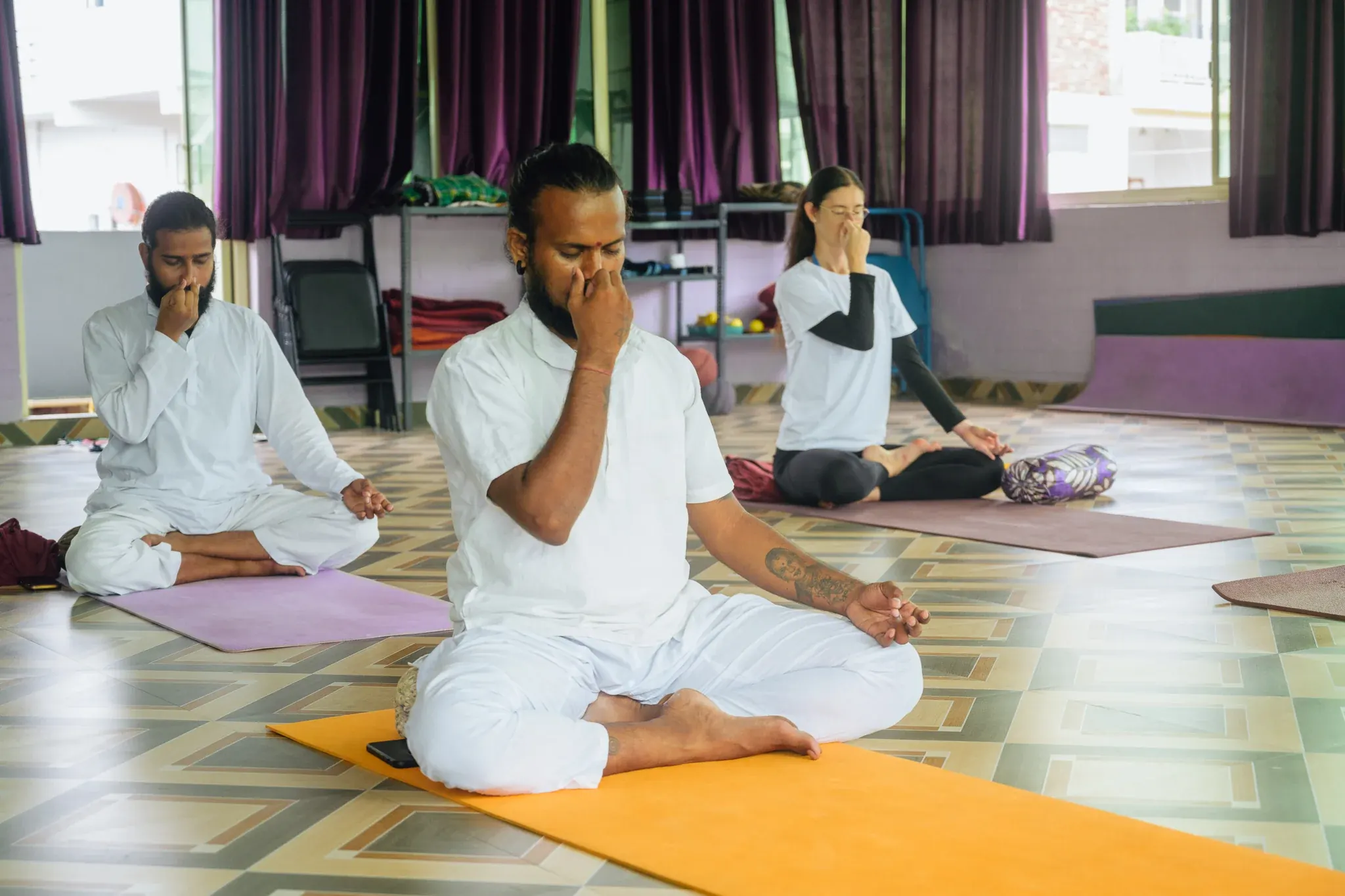
- Alternate Nostril Breathing (Nadi Shodhana) — A slow, even breath that yoga describes as balancing the two sides of body and mind
- Humming Bee Breath (Bhramari) — A long humming exhale that many people find settling when thoughts race
For a deeper dive, explore our comprehensive breathwork techniques guide.
This guide is general information, not medical advice. If you have a health condition, are pregnant or take regular medication, consult your doctor before starting breathwork, especially breath retention or fast techniques.
Continue exploring: Benefits of Breathwork | Breathwork Techniques | Pranayama Hub
CategoryFundamentals
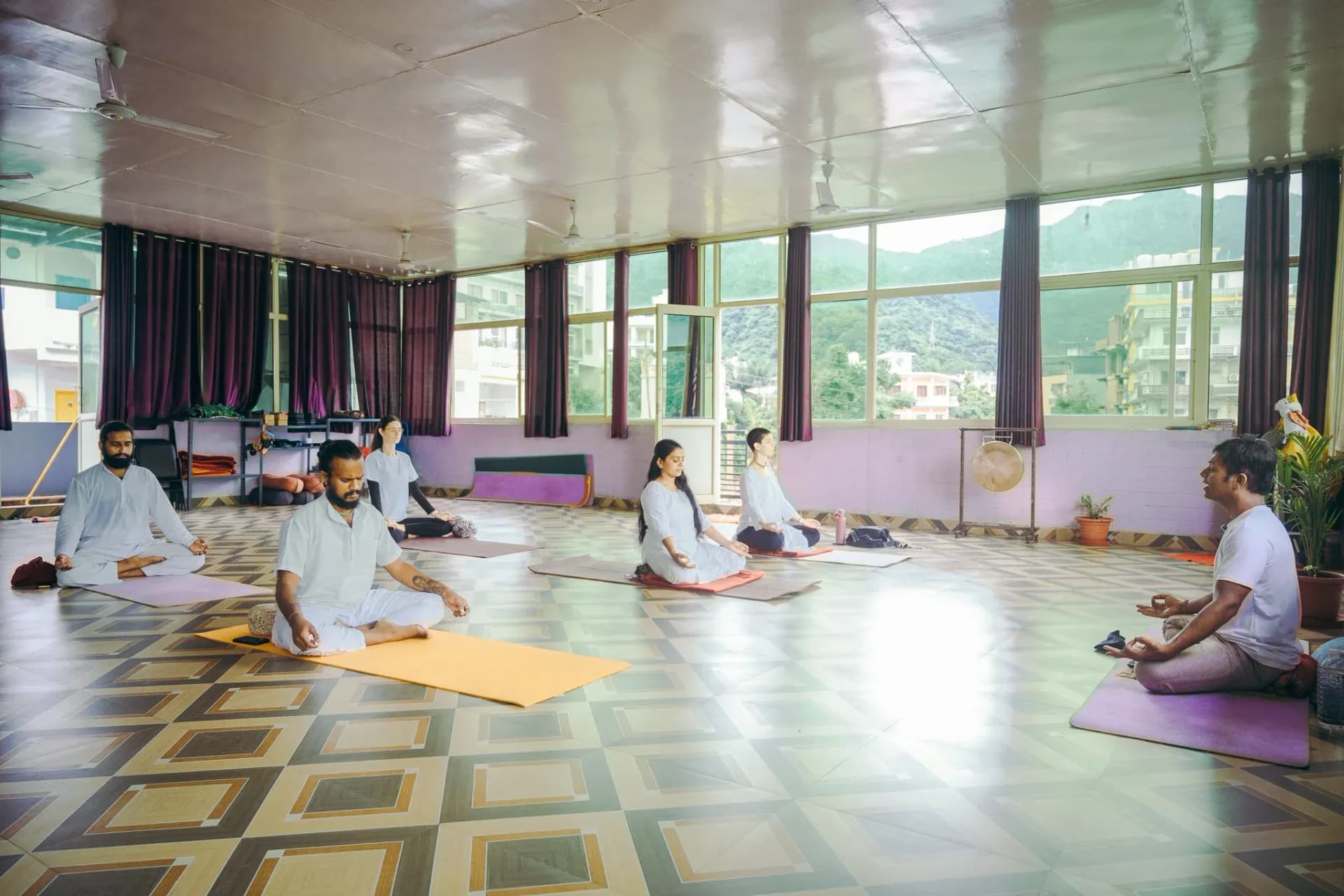
Advanced Pranayama Course
Go deeper: a breathwork course rooted in classical pranayama
- 7, 15 or 30 days
- A new start every month
- Taught in English
Tuition from149 USD13.000 ₹