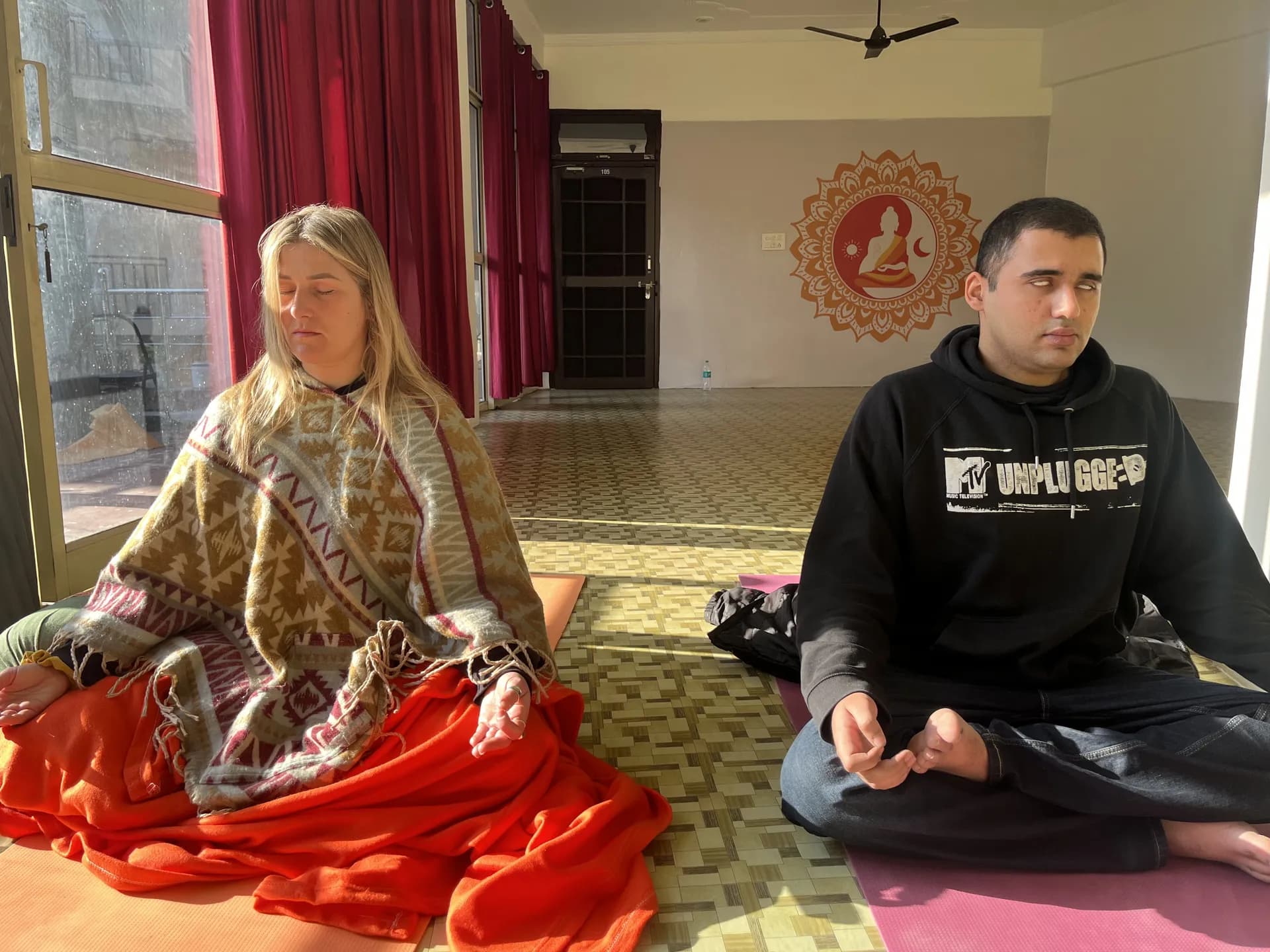
The benefits of breathwork aren't just anecdotal — a growing body of research confirms that conscious breathing practices create measurable changes in the body and brain. Here are 12 science-backed benefits.
1. Reduces Stress and Cortisol
Slow, controlled breathing activates the parasympathetic nervous system via the vagus nerve, directly reducing cortisol levels. A 2017 study in Frontiers in Psychology found that diaphragmatic breathing significantly lowered cortisol in healthy adults.
2. Lowers Blood Pressure
Regular breathwork practice has been shown to reduce both systolic and diastolic blood pressure. Techniques like Anulom Vilom are particularly effective.
3. Improves Sleep Quality
Breathwork before bed shifts the nervous system into relaxation mode. The Bhramari (Humming Bee Breath) technique is especially effective for insomnia.
4. Enhances Focus and Concentration
Rhythmic breathing increases alpha brain wave activity, associated with calm alertness. Kapalbhati Pranayama is known as "skull-shining breath" precisely because of its clarifying effect on mental function.
5. Boosts Immune Function
Research on pranayama practitioners shows increased immune markers including natural killer cells and immunoglobulin levels.
6. Reduces Anxiety
Extended exhale breathing (where the exhale is longer than the inhale) directly activates the parasympathetic nervous system. Bhramari pranayama has been shown to reduce anxiety scores by up to 50% in clinical studies.
7. Improves Respiratory Function
Regular breathwork strengthens the diaphragm, increases lung capacity, and improves oxygen exchange efficiency. Various pranayama techniques each target different aspects of respiratory health.
8. Enhances Emotional Regulation
Breathwork activates the prefrontal cortex (decision-making) while calming the amygdala (fear center), giving you greater control over emotional responses.
9. Increases Energy
Techniques like Kapalbhati and Bhastrika rapidly oxygenate the blood and stimulate the sympathetic nervous system, providing a natural energy boost without caffeine.
10. Supports Digestive Health
Diaphragmatic breathing massages the internal organs, improving blood flow to the digestive tract. The yogic text Hatha Yoga Pradipika states that pranayama "increases the digestive fire."
11. Improves Heart Rate Variability (HRV)
High HRV is a marker of resilience and cardiovascular health. Regular breathwork practice has been shown to significantly increase HRV.
12. Facilitates Meditation
In the yogic tradition, pranayama is the fourth limb of yoga — it exists specifically as preparation for meditation. By calming the breath, you calm the mind, creating the conditions for deeper meditation practice.
Start your practice: What Is Breathwork? | Techniques Guide | Pranayama Benefits
Share this guide
Category
BenefitsWritten by
Somesh
RYT 500 · Yoga Philosophy & Pranayama
An experienced yoga teacher and Registered Yoga Teacher (RYT 500) specializing in yoga philosophy and pranayama at Anantadrishti Yoga in Rishikesh, India.
More articles by Somesh