Pranayama
The Science of Breath: Understanding Pranayama
What pranayama is, how it differs from ordinary deep breathing, the main techniques and what each is for, how to start safely, and how a classical pranayama course in Rishikesh is structured.
SomashekarUpdated
Written by Somashekar, founder and head teacher of Anantadrishti Yoga. Disclosure: the course mentioned in this guide is our own.
Prana means life force, and ayama means to extend or control. Pranayama is the practice of working consciously with the breath, which is the bridge between the body and the mind. This guide explains what that means in practice, how the main techniques differ, how to begin safely, and what a classical pranayama course looks like.
At a glance
| Question | Short answer |
|---|---|
| What it is | Regulation of the breath: length, pause, direction and attention |
| Classical sources | Patanjali's Yoga Sutras (2.49–2.53) and the Hatha Yoga Pradipika (chapter 2) |
| Main families of technique | Calming (Nadi Shodhana, Bhramari), cleansing and energising (Kapalabhati, Bhastrika), steadying (Ujjayi), breath retention (kumbhaka) with the bandhas |
| Where beginners start | Full yogic breath, slow Nadi Shodhana, Bhramari |
| Learn with a teacher | Kapalabhati, Bhastrika, kumbhaka and the bandhas |
| Health caution | Pregnancy or a heart, blood-pressure, respiratory or other condition: consult your doctor first |
| To study it in depth | Advanced Pranayama & Yoga Philosophy Course, Rishikesh: 7, 15 or 30 days, from US$149 tuition |
What does pranayama actually mean?
Pranayama means the extension and regulation of prana, the vital energy that yoga sees carried by the breath. In the yoga tradition, prana is the force that animates body and mind, and the breath is its most tangible expression. You cannot hold prana in your hand, but you can feel the breath, slow it, pause it and send it into different parts of the body.
Patanjali's Yoga Sutras defines pranayama very simply: once a steady, comfortable seat is established, it is the regulation of the flow of inhalation and exhalation (2.49). The breath stops running on autopilot and becomes deliberate. Our guide to what the Yoga Sutras say about pranayama goes through those five sutras line by line.
Why does the breath affect the mind?
The breath is one of the few body functions that is both automatic and under our control. Research suggests that consciously slowing the breath can influence the autonomic nervous system, and many people find it calms the mind. Yoga noticed the same link long before the laboratory did: when the mind is agitated, the breath is short and uneven; when the mind is quiet, the breath is long and smooth. Pranayama works the relationship from the other side. Change the breath steadily, and the mind tends to follow.
The classical texts describe the result in their own language. The Hatha Yoga Pradipika says that when the breath wavers, the mind wavers, and when the breath is steady, the mind is steady. Patanjali says pranayama thins the veil over the mind's clarity and makes it fit for concentration (2.52–2.53). Neither text promises a cure for anything. They describe a steadier, clearer mind, prepared for meditation.
How is pranayama different from ordinary deep breathing?
Deep breathing is one ingredient of pranayama, not the whole practice. A pranayama class also works with the ratio between inhalation, exhalation and pauses; with retention, called kumbhaka; with the bandhas, the muscular and energetic locks that contain and direct the breath; with alternate-nostril techniques; and with mudras and mantra. Above all, it trains attention. You learn to watch how each practice changes your mind, your nervous system, your body and your energy, which is what turns breathing exercises into pranayama.
It is also different from modern breathwork. Breathwork styles often use long sessions of fast, connected breathing to provoke a strong experience. Classical pranayama builds slowly, values smoothness over intensity, and treats a calm, clear mind as the aim. Our comparison of a pranayama course and a breathwork teacher training sets the two side by side.
What are the main pranayama techniques?
The main techniques fall into a few families: calming, cleansing and energising, steadying, and retention. Each has a different effect, and a balanced practice uses several.
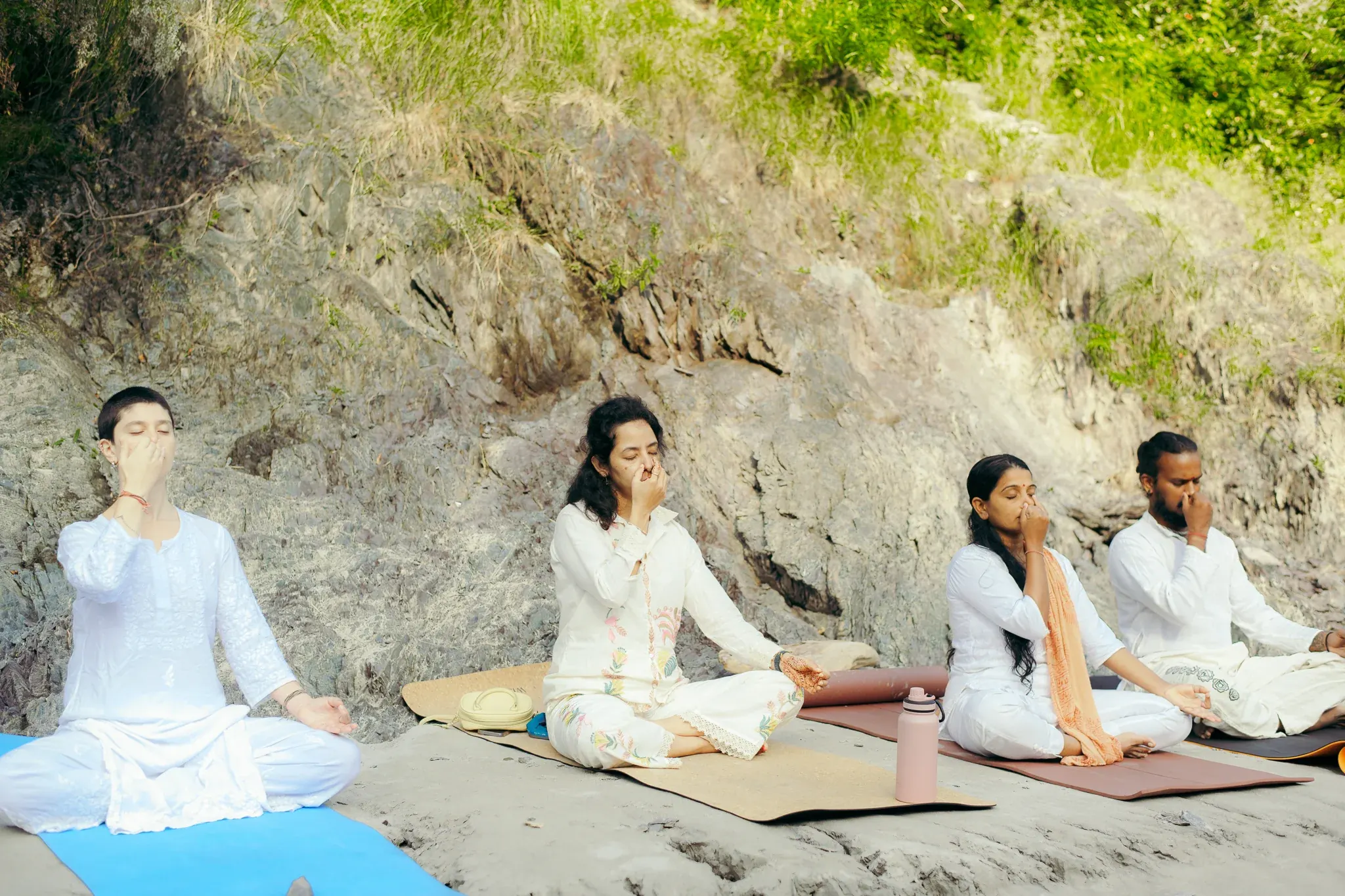
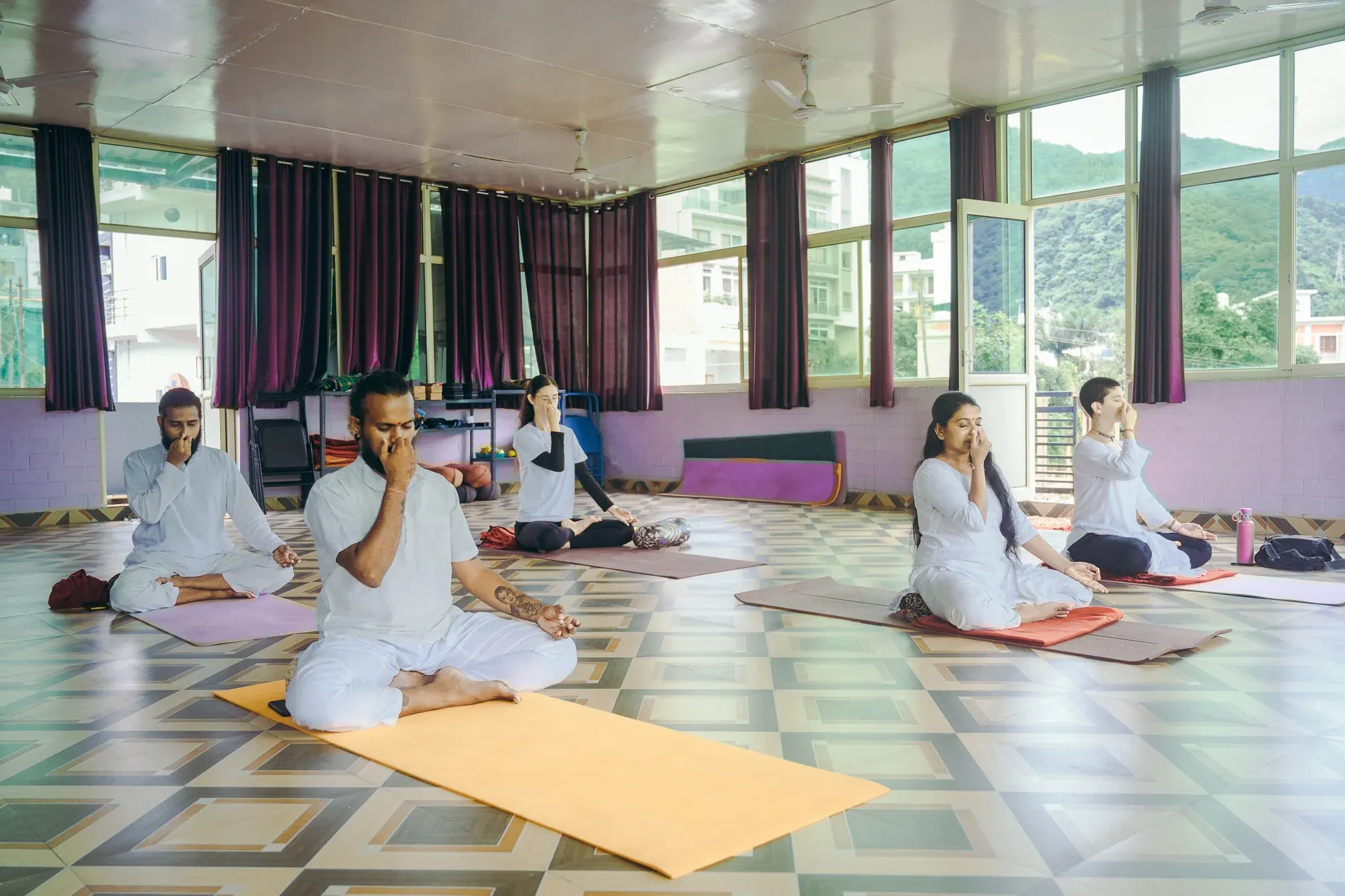
- Calming: Nadi Shodhana (alternate nostril breathing) balances the two sides of the breath; Bhramari (humming bee breath) uses a soft hum to settle the mind.
- Cleansing and energising: Kapalabhati uses short, active exhalations; Bhastrika (bellows breath) uses forceful inhalations and exhalations. Both are strong and best learned in class.
- Steadying: Ujjayi gives the breath a gentle sound at the throat that helps you keep it slow and even.
- Directing: Surya and Chandra bhedana breathe through one nostril to work with the solar and lunar channels.
- Retention: kumbhaka, holding the breath in or out, usually with the bandhas. It is the core of classical pranayama and is introduced gradually, with short, comfortable holds.
Our overview of the types of pranayama describes each technique in more detail, and the pranayama hub has step-by-step guides.
How should you start practising pranayama?
Start with slow, gentle breathing in a comfortable seat, on an empty stomach, for ten to fifteen minutes a day. Full yogic breath, a slow Nadi Shodhana and a few rounds of Bhramari are enough to begin. Keep every breath smooth and unforced. If you feel dizzy, breathless or anxious, stop and breathe normally.
Leave the strong practices for a teacher. Kapalabhati, Bhastrika and kumbhaka are powerful, and small errors in effort or posture are easier to correct in person than to notice alone. Consistency matters more than intensity: a short daily practice teaches more than an occasional long one.
This article is general information, not medical advice. If you are pregnant or have a heart, blood-pressure, respiratory or other health condition, consult your doctor before starting pranayama, especially breath retention or fast techniques.
What does a classical pranayama course teach?
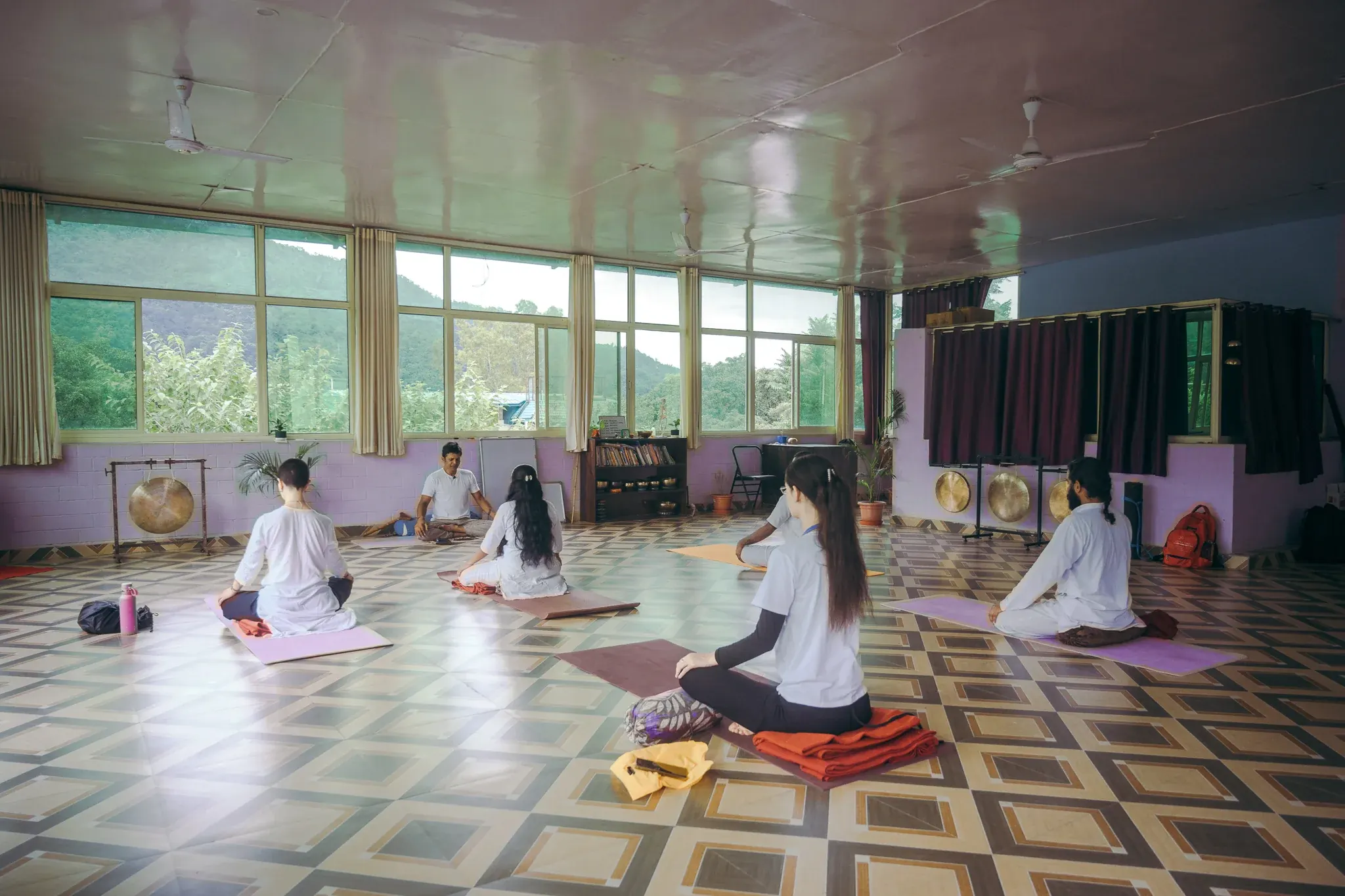
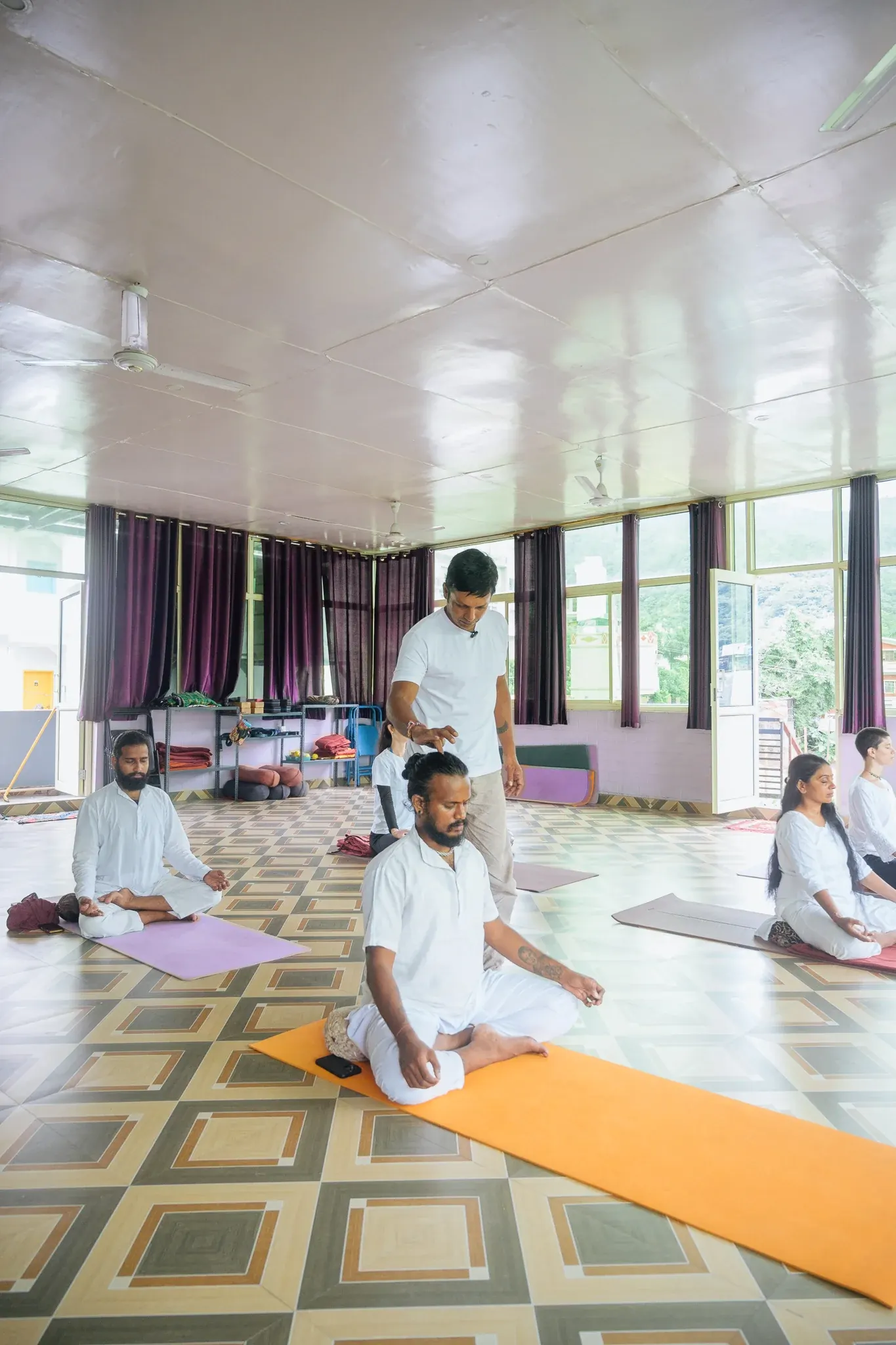
A classical pranayama course teaches the techniques in sequence, adds retention and the bandhas gradually, and pairs practice with the theory behind it. At Anantadrishti Yoga, the Advanced Pranayama & Yoga Philosophy Course runs Monday to Saturday, with Sunday as a rest day. From 07:30 to 09:00 you practise. From 11:30 to 13:00 there are corrections and the science and philosophy of pranayama, drawing on classical texts such as Patanjali's Yoga Sutras and the Hatha Yoga Pradipika.
The 7-day course (US$149 tuition) covers Kapalabhati, Bhastrika, yogic breath, Agnisara, Ujjayi, the three bandhas, Nadi Shodhana with Chandra and Surya nadi bhedana, and antar and bahya kumbhaka with bandhas. The 15-day course (US$229) combines Kapalabhati, Bhastrika, deep breaths and Ujjayi with Mula, Uddiyana and Maha bandha, adds Nadi Shodhana with Ida and Pingala nadi stimulation and the nadi pranayamas, and progresses the kumbhakas. The 30-day course (US$349) adds advanced practices and chakra pranayamas. All three include mudras and bija mantras, and all three train you to observe the effect of each practice on mind, nervous system, body and energy.
All lengths start together on the 1st of the month (Monday the 2nd when the 1st is a Sunday), with no mid-month starts. The fee is tuition only; we help you find a room nearby. The course is taught in English, in person, in small groups, by Somashekar, who has devoted more than fifteen years to the study and teaching of yoga, pranayama, yoga philosophy and Vedic chanting. It is a practitioner course, not a yoga teacher training. Some prior yoga or breathing practice helps, and healthy, sincere beginners can join the 7-day course; our guide to pranayama courses for beginners explains what to expect.
If you'd like to learn pranayama step by step with daily corrections, see the dates and options on the course page. A 20% deposit can reserve a place, but it's optional, and enquiring costs nothing.
Frequently asked questions
What is pranayama?
Pranayama is the yogic practice of regulating the breath. The word joins prana, life force or vital energy, with ayama, extension or control. In practice it means making the breath deliberate: lengthening it, pausing it, directing it and observing how each change affects the mind and body. Patanjali lists it as the fourth of the eight limbs of yoga.
Is pranayama the same as deep breathing?
No. Deep breathing is one ingredient. Pranayama also works with breath ratios, retention (kumbhaka), the bandhas or energy locks, alternate-nostril techniques and the quality of attention you bring. It is practised in a steady seat and built up gradually, usually under a teacher's guidance.
Which pranayama should a beginner start with?
Most teachers begin with full yogic breath and a slow, gentle Nadi Shodhana (alternate nostril breathing), often with Bhramari. They are calm, easy to learn and build the awareness that faster techniques and breath retention need later. Learn Kapalabhati, Bhastrika and kumbhaka from a teacher.
Is pranayama safe for everyone?
Gentle, slow breathing suits most healthy people. Fast techniques and breath retention place real demands on the body. If you are pregnant or have a heart, blood-pressure, respiratory or other health condition, consult your doctor before starting pranayama, and learn the stronger practices from an experienced teacher.
Where can I study pranayama in depth in Rishikesh?
Anantadrishti Yoga, near Moktan Coffee Shop in Lower Tapovan, Rishikesh, runs the Advanced Pranayama & Yoga Philosophy Course in 7-, 15- and 30-day lengths, with tuition from US$149. Classes run Monday to Saturday: practice from 07:30 to 09:00, then corrections and the science and philosophy of pranayama from 11:30 to 13:00. Courses start on the 1st of the month (Monday the 2nd when the 1st is a Sunday).
CategoryPranayama
Advanced Pranayama Course
Go deeper: the Advanced Pranayama Course, 7, 15 or 30 days
- 7, 15 or 30 days
- A new start every month
- Taught in English
Tuition from149 USD13.000 ₹