Techniques
7 Breathwork Techniques for Beginners and Advanced Practitioners
Step-by-step instructions for 7 powerful breathing techniques — from calming Nadi Shodhana to energizing Bhastrika and advanced Ujjayi with Maha Bandha.
SomeshApril 1, 202612 min read
Whether you're brand new to breathwork or an experienced practitioner, these seven techniques — drawn from the classical pranayama tradition — offer a complete toolkit for steadier breathing, a clearer mind and spiritual practice.
1. Diaphragmatic Breathing (Foundation)
Level: Beginner | Duration: 5–10 minutes
The foundation of all breathwork. Place one hand on your chest and one on your belly. Breathe so that only the belly hand moves. This engages the diaphragm fully, and slow belly breathing is thought to favour the parasympathetic (rest-and-digest) nervous system, partly through the vagus nerve.
Best for: Stress relief, grounding, sleep preparation
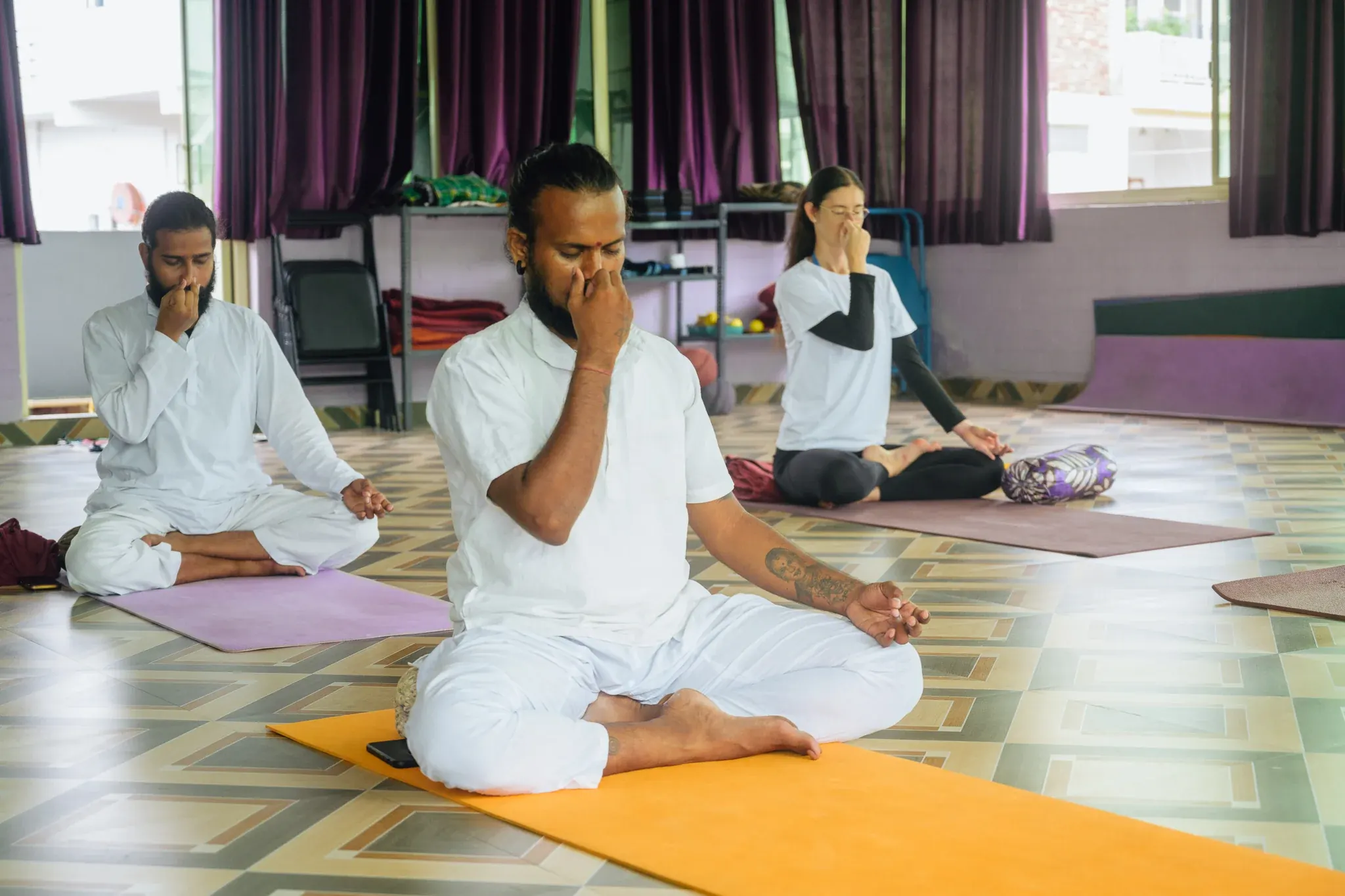
2. Nadi Shodhana (Alternate Nostril Breathing)
Level: Beginner | Duration: 5–15 minutes
Close the right nostril with your thumb, inhale through the left. Close the left with your ring finger, exhale through the right. Inhale right, switch, exhale left. This is one round. Complete 5–15 rounds.
Learn the full technique: Complete Anulom Vilom Guide
3. Bhramari (Humming Bee Breath)
Level: Beginner | Duration: 3–10 minutes
Close your ears with your thumbs, place fingers over your eyes. Inhale deeply, then exhale while humming like a bee. Many people find the long, humming exhale settling within a few rounds.
Detailed instructions: Complete Bhramari Guide
4. Kapalbhati (Skull-Shining Breath)
Level: Intermediate | Duration: 3–5 minutes
Sit tall. Exhale sharply through the nose by contracting the abdomen. Let the inhalation happen passively. Start with 30 rounds, building to 60-120. Classical texts list it among the cleansing practices (shatkarmas), and many practitioners feel more alert and clear-headed afterwards.
Caution: Avoid it if you are pregnant, or have high blood pressure, a heart condition or recent abdominal surgery, unless your doctor agrees.
Full technique: Complete Kapalbhati Guide
5. Ujjayi (Ocean Breath)
Level: Intermediate | Duration: 5–20 minutes
Slightly constrict the back of your throat to create a soft, ocean-like sound on both inhale and exhale. This ancient technique — described in the Hatha Yoga Pradipika — creates a meditative focus through sound.
Complete technique: Complete Ujjayi Guide
6. Bhastrika (Bellows Breath)
Level: Advanced | Duration: 3–5 minutes
Unlike Kapalbhati, both the inhale AND exhale are forceful and equal in Bhastrika. This powerful technique stimulates the sympathetic (activating) nervous system, and many practitioners feel a deep calm in the stillness that follows.
Caution: Learn it with a teacher. Avoid it if you are pregnant, or have high blood pressure, a heart condition, or an anxiety or panic disorder, unless your doctor agrees.
7. Ujjayi with Maha Bandha (Advanced Integration)
Level: Advanced | Duration: 10–20 minutes
This advanced practice combines Ujjayi breathing with three energy locks (bandhas): Jalandhara (throat), Mula (root), and Uddiyana (abdominal). In yogic terms, the combination seals the breath within the torso and directs prana upward through the central energy channel (Sushumna).
As the Hatha Yoga Pradipika states: "The breath moves with a subtle sound from the throat to the heart" — this is not mechanical breathing but conscious guiding of life force.
Choosing the Right Technique
| Goal | Best Technique |
|---|---|
| Calm anxiety | Bhramari or Nadi Shodhana |
| Morning energy | Kapalbhati or Bhastrika |
| Better sleep | Diaphragmatic + Bhramari |
| Focus / study | Nadi Shodhana or Ujjayi |
| Deep meditation | Ujjayi with Maha Bandha |
This guide is general information, not medical advice. If you are pregnant, or have high blood pressure, a heart condition, epilepsy, glaucoma, recent surgery or a serious psychiatric condition, consult your doctor before practising breath retention, bandhas or fast techniques, and learn them with a teacher.
Go deeper: Benefits of Breathwork | Full Pranayama Hub | Advanced Pranayama Course
CategoryTechniques
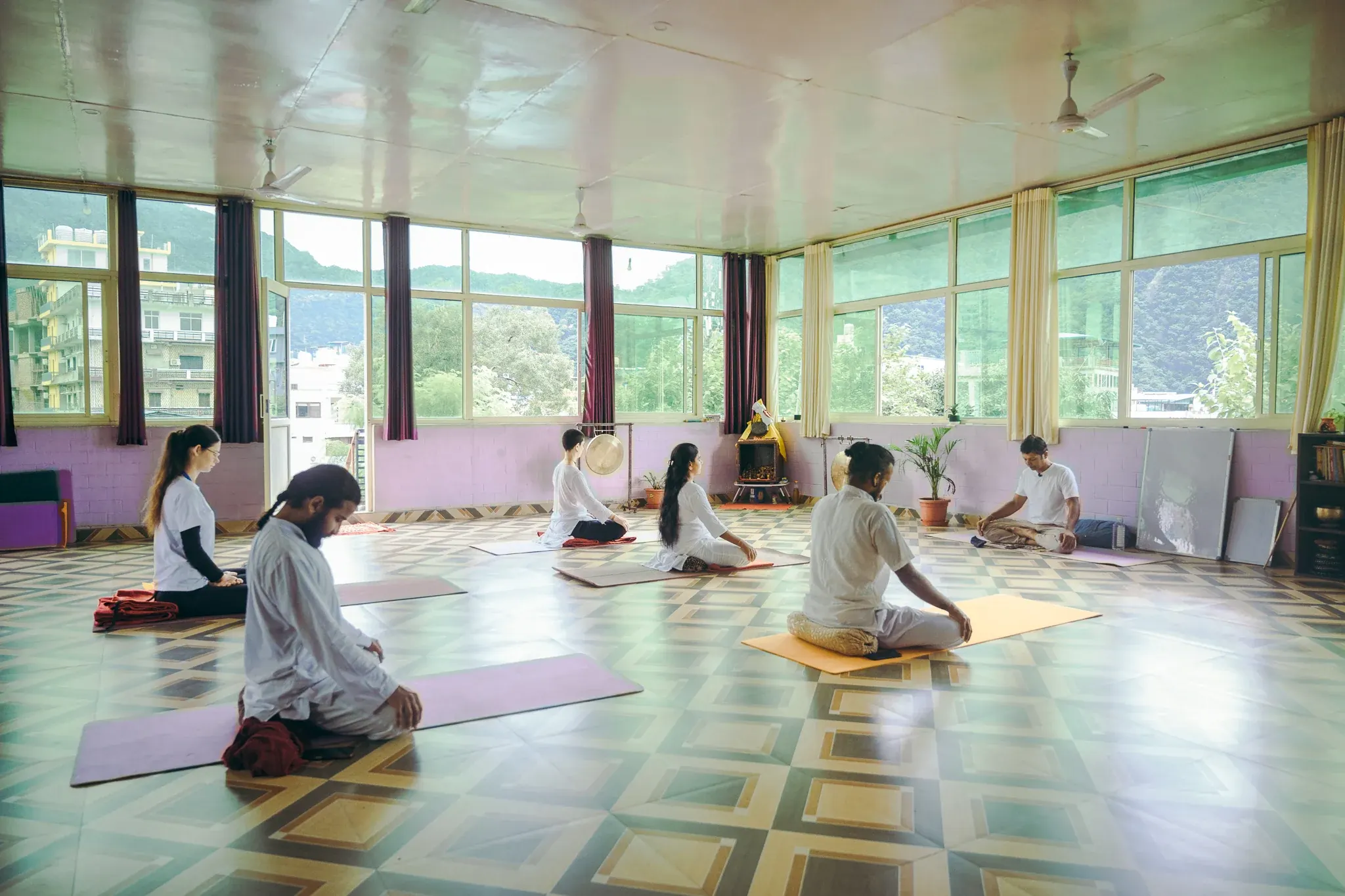
Advanced Pranayama Course
Go deeper: kumbhaka with the bandhas, from the first week
- 7, 15 or 30 days
- A new start every month
- Taught in English
Tuition149 USD13.000 ₹