Planning
Best Time to Visit Rishikesh for Pranayama & Yoga
A month-by-month guide to the Rishikesh climate for pranayama and yoga: the clear autumn and spring windows, cold winter dawns, summer heat and the monsoon.
SomeshMarch 3, 2026
Choosing when to come to Rishikesh shapes your practice. The climate, the light and even the character of the town change through the year. Here is a month-by-month guide to help you plan.
Quick Answer: The Best Time to Visit Rishikesh for Yoga
The most comfortable months for pranayama and yoga in Rishikesh are October to November and February to April: mild, dry weather, clear Himalayan views and a lively yoga community. December and January bring cold dawns but clear, focused days. May and June are hot, and July to September is the monsoon, when practice carries on indoors and road travel needs extra care.
Season Overview
Rishikesh sits in the Himalayan foothills, so its climate is milder than the plains, but it still moves through distinct seasons: cold winters, a warm spring, a hot pre-monsoon summer and a wet monsoon.
| Season | Months | For practice |
|---|---|---|
| Winter: cold, crisp, dry | Dec–Jan | Very good |
| Spring: mild, dry | Feb–Apr | Ideal |
| Summer: hot, dry | May–Jun | Hot |
| Monsoon: humid, heavy rain | Jul–Sep | Wet |
| Autumn: fresh, clear | Oct–Nov | Ideal |
Month-by-Month Guide
January — Cold & Quiet
The coldest month. Mornings are chilly and pranayama at dawn calls for warm layers, but afternoons are pleasant and clear. The town is calmer than in the festive December rush, which makes it a wonderful time for focused, introspective practice. Expect crisp skies and fine mountain views.
February — Warming & Comfortable
One of the finest months of the year. The cold begins to soften, days are sunny and dry, and the yoga community is in full swing. Comfortable for both asana and breathwork, and a good choice for a first visit to India.
March — Peak Spring
Bright, warm and dry: arguably the most pleasant month overall. The Holi festival adds a burst of colour and culture. Crowds are moderate and Tapovan feels relaxed. Ideal conditions for a focused course.
April — Warm but Still Good
Days grow noticeably warmer toward the end of the month, though early mornings and evenings stay comfortable. Still an excellent window for practice, and the town is a little quieter than in winter.
May–June — Pre-Monsoon Heat
The hottest stretch of the year. The early morning is the most comfortable part of the day for pranayama; by midday the heat is strong, so plan to rest through the afternoon and drink plenty of water. The town is quiet and uncrowded, and rooms are easier to find. Course fees are the same in every month.
July–September — Monsoon
Heavy, often daily rain and high humidity. Sessions are held indoors in the shala, so practice carries on, and the course starts every month, monsoon included. The rains do affect travel: landslides can close mountain roads for a time, the Ganga runs high and fast, and the riverbanks are best avoided. If you come in the monsoon, allow buffer days for travel and stay well back from the water's edge. Late September begins to clear and leads into the autumn window.
October–November — Post-Monsoon Freshness
After the rains, Rishikesh is at its most beautiful: green hillsides, washed-clean air, clear Himalayan views and a mild climate. The yoga community returns in full and the town feels vibrant. Many consider this the single best time to arrive.
December — Festive & Cool
Cool and dry, with cold mornings and crisp, sunny afternoons. The town is lively with year-end visitors. Pack warm layers for dawn practice; the cool air makes for deeply focused sessions.
Crowd Levels Through the Year
- Busiest: March, and October to December. Book your room well in advance.
- Moderate: January, February and April: a comfortable balance of community and space.
- Quietest: May to September: fewer visitors and a calmer town.
If you prefer a quiet, personal experience, the shoulder months can be a hidden advantage. If you thrive on a busy community, aim for the peak windows. Either way, pack for the season: warm layers for winter dawns, light cotton for the summer, and a rain jacket for the monsoon.
Our Recommendation
For the most comfortable weather, come between October and November or February and April. Within those windows:
- First visit to India → October or February (mild, settled weather)
- Seeking quiet → late November, or May–June if you don't mind the heat
- Seeking intensity → December–January (cool weather suits deep, focused practice)
Whichever season calls you, our Advanced Pranayama & Yoga Philosophy Course starts every month, for 7, 15 or 30 days, at the same fee all year. If a structured course isn't right for now, a yoga retreat in Rishikesh is a flexible way to experience the city in your chosen season.
Frequently Asked Questions
Are course fees lower in the off-season?
No. Our course fees are the same in every month. What changes is the town: from May to September there are fewer visitors, and guesthouse rooms are usually easier to find.
Can I study pranayama in Rishikesh during the monsoon?
Yes. The course starts every month and sessions are held indoors in the shala. Expect heavy rain and humidity, allow extra time for road travel, and stay away from the river's edge while the Ganga is high. Late September is usually the gentlest part of the monsoon.
What is the coldest month in Rishikesh?
January is the coldest, with chilly mornings that call for warm layers. Daytime temperatures remain comfortable and the dry, clear conditions are excellent for focused practice.
When are the best views of the Himalayas?
The post-monsoon months of October and November offer the clearest skies and the most vivid mountain views, thanks to rain-washed air and low dust.
Plan your trip: Tapovan Guide | Is Rishikesh Safe for Solo Women? | India Visa Guide
CategoryPlanning
Advanced Pranayama Course
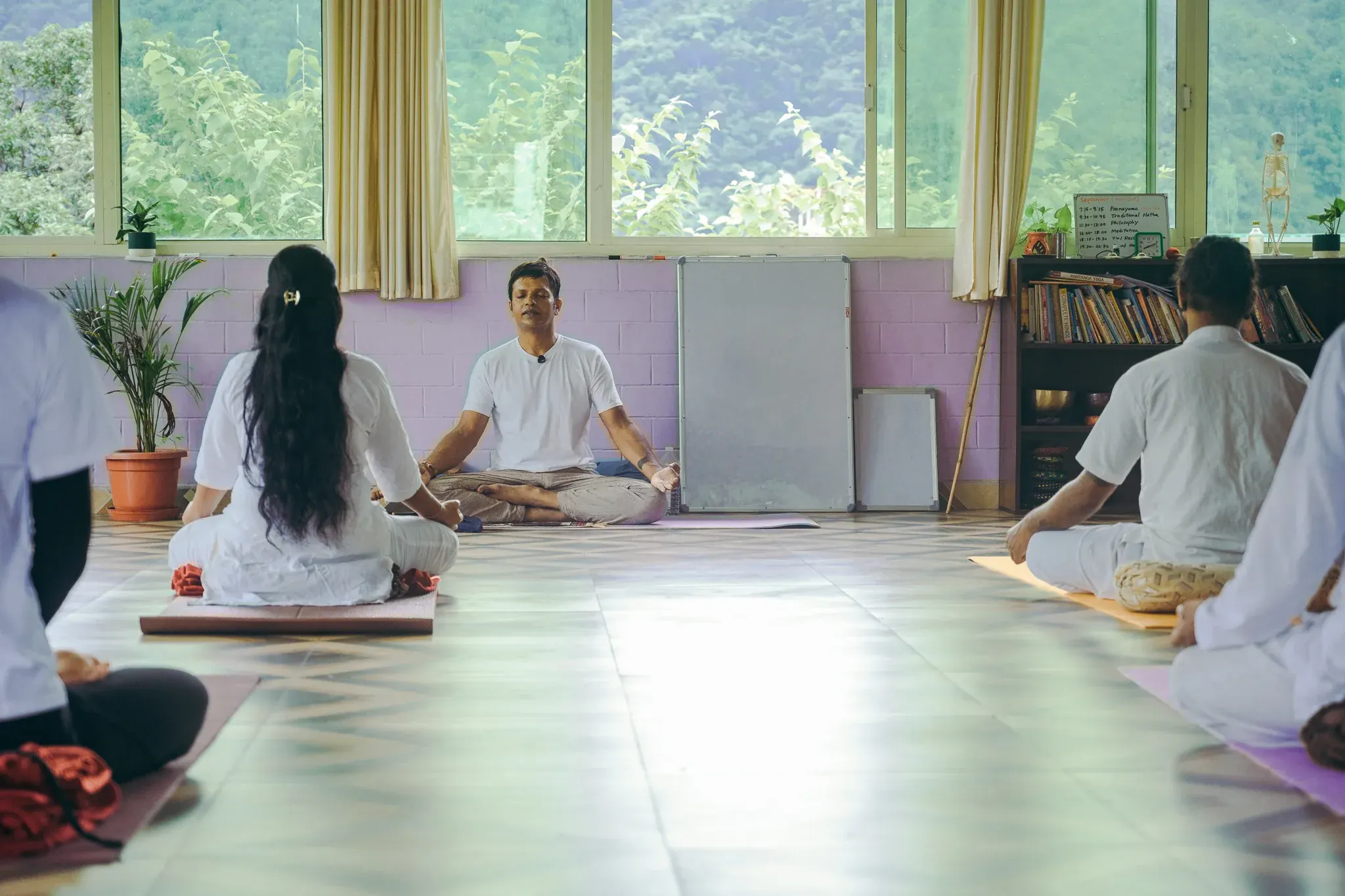
Go deeper: the Advanced Pranayama Course in Rishikesh
- 7, 15 or 30 days
- A new start every month
- Taught in English
Tuition from₹13,000US$149