Planning
Is Anantadrishti Yoga Good? An Honest Look at the School (2026)
An honest look at Anantadrishti Yoga in Rishikesh: who teaches, what the pranayama course includes and costs, the real trade-offs, who it isn't for, and where to read independent reviews.
Somashekar
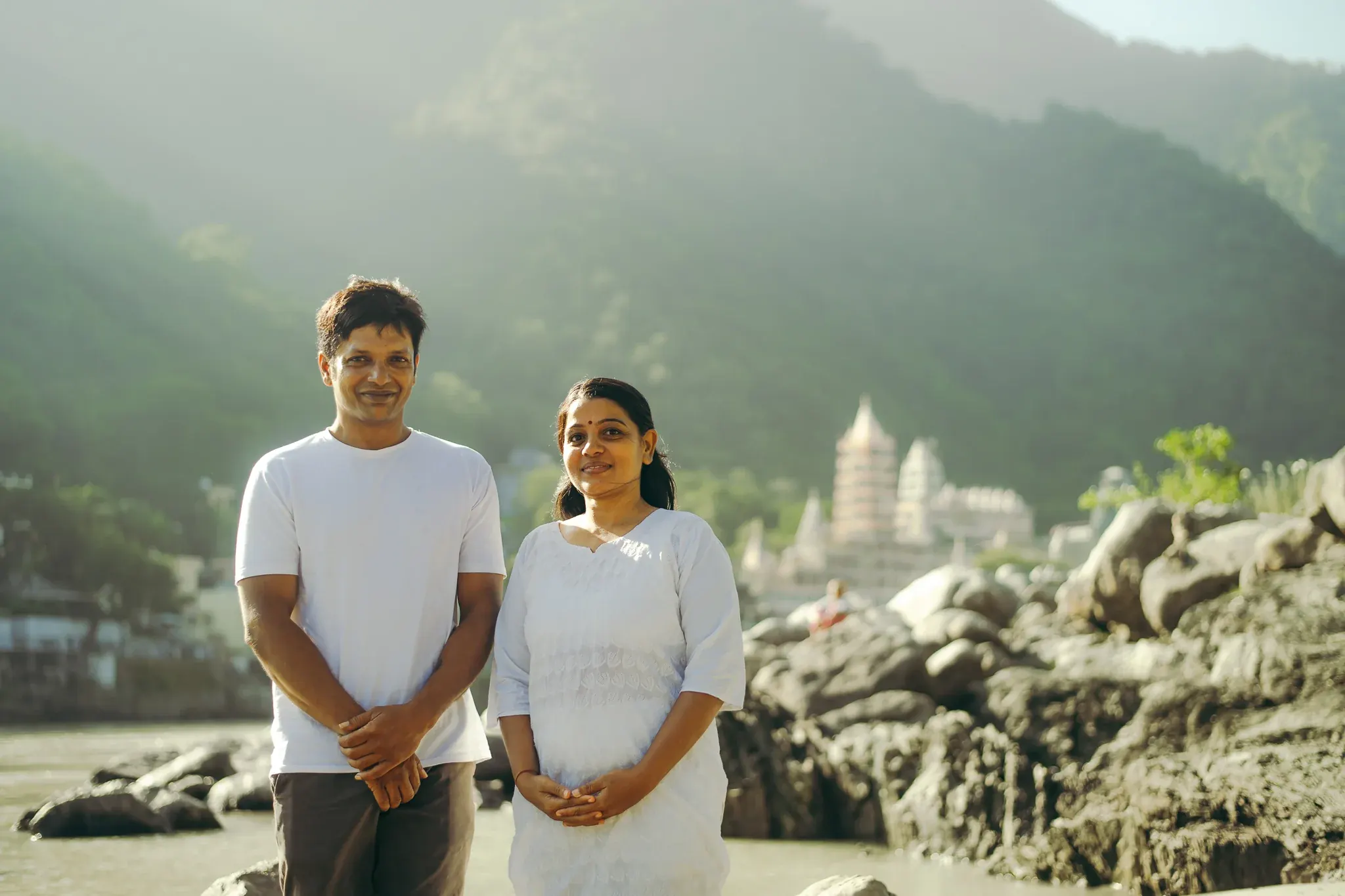
Written by Somashekar, founder and head teacher of Anantadrishti Yoga. Disclosure: this is our own school, and we've tried to be fair. That's why this page lists the trade-offs and points you to independent reviews rather than quoting them.
If you're asking whether a school is good, you deserve a straight answer, and a school writing about itself has an obvious bias. So instead of telling you we're wonderful, this page sets out the facts: who teaches, what you study, what it costs, what isn't included, who it doesn't suit, and where to read what other students have said. Then you can decide.
At a glance
| Question | Answer |
|---|---|
| What is it? | A small pranayama school; flagship: the Advanced Pranayama & Yoga Philosophy Course |
| Where? | Near Moktan Coffee Shop, Lower Tapovan, Rishikesh, Uttarakhand 249192, India |
| Teacher | Somashekar ("Soma"), founder and head teacher, more than 15 years of study and teaching |
| Course lengths | 7, 15 or 30 days, starting on the 1st of the month |
| Tuition | US$149 / US$229 / US$349 (₹13,000 / ₹20,000 / ₹30,000) |
| Accommodation | Not included; arranged nearby |
| Language | English |
| Certificate? | None claimed for the flagship course; it is not a teacher training |
| Independent reviews | Google Maps and BookRetreats |
Who runs Anantadrishti Yoga?
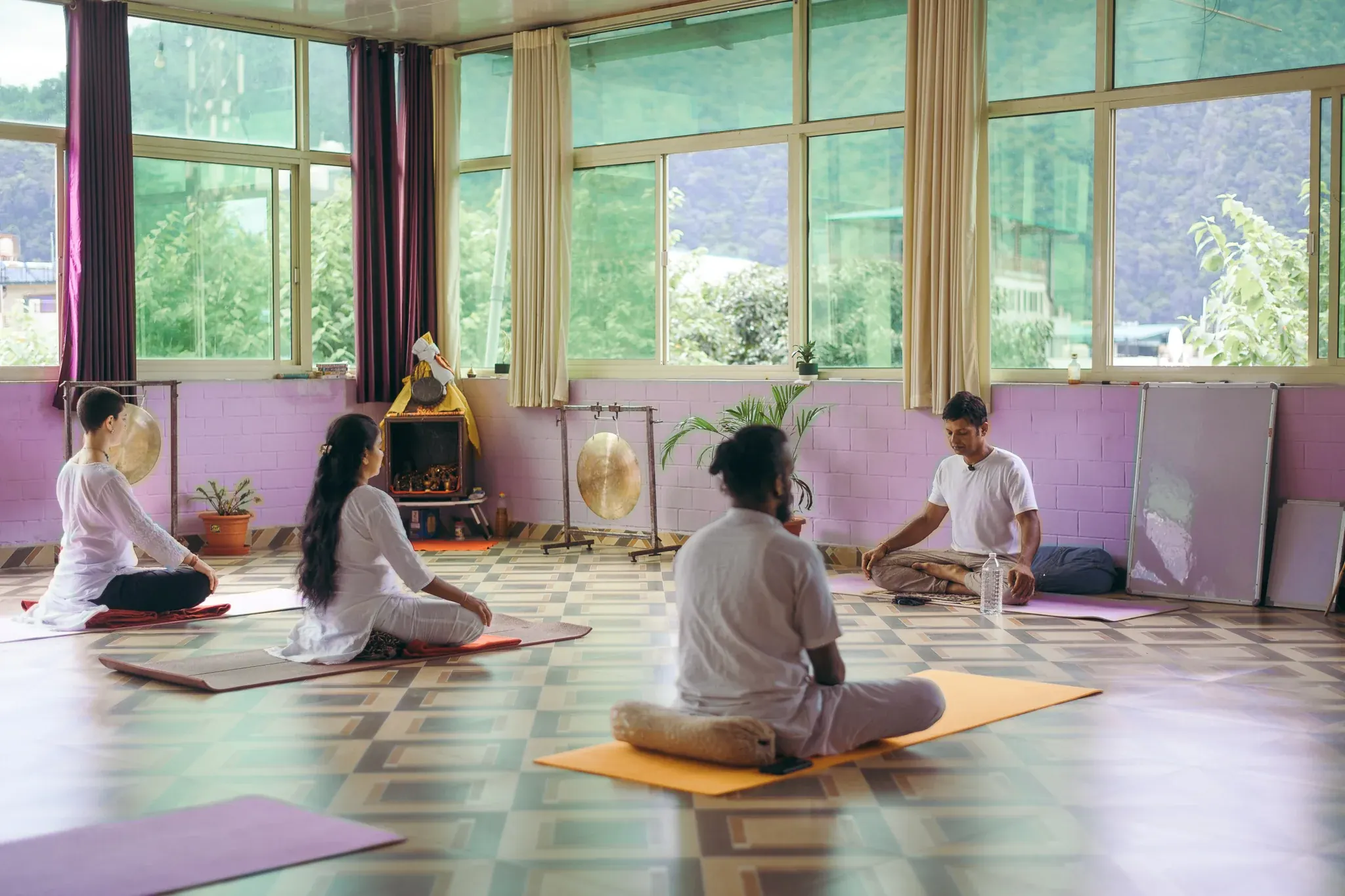
The school is run by its founder and head teacher, Somashekar, whom students call Soma. He has spent more than 15 years studying and teaching yoga, pranayama and Vedic chanting. You can read more on Somashekar's page. The shala is in Lower Tapovan, a short walk from Laxman Jhula and the Ganga; Jolly Grant airport is about 22 km away.
What do you actually study?
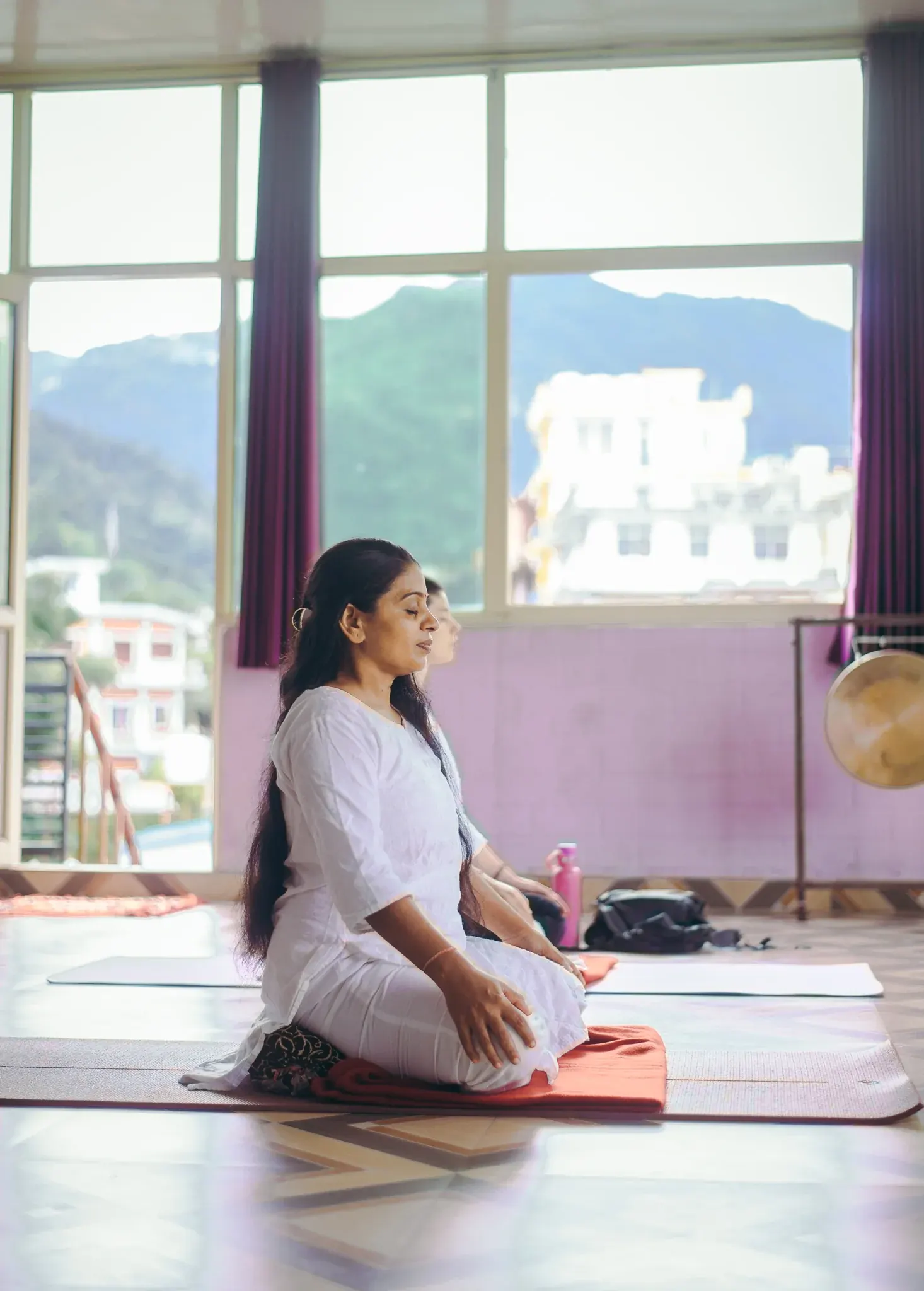
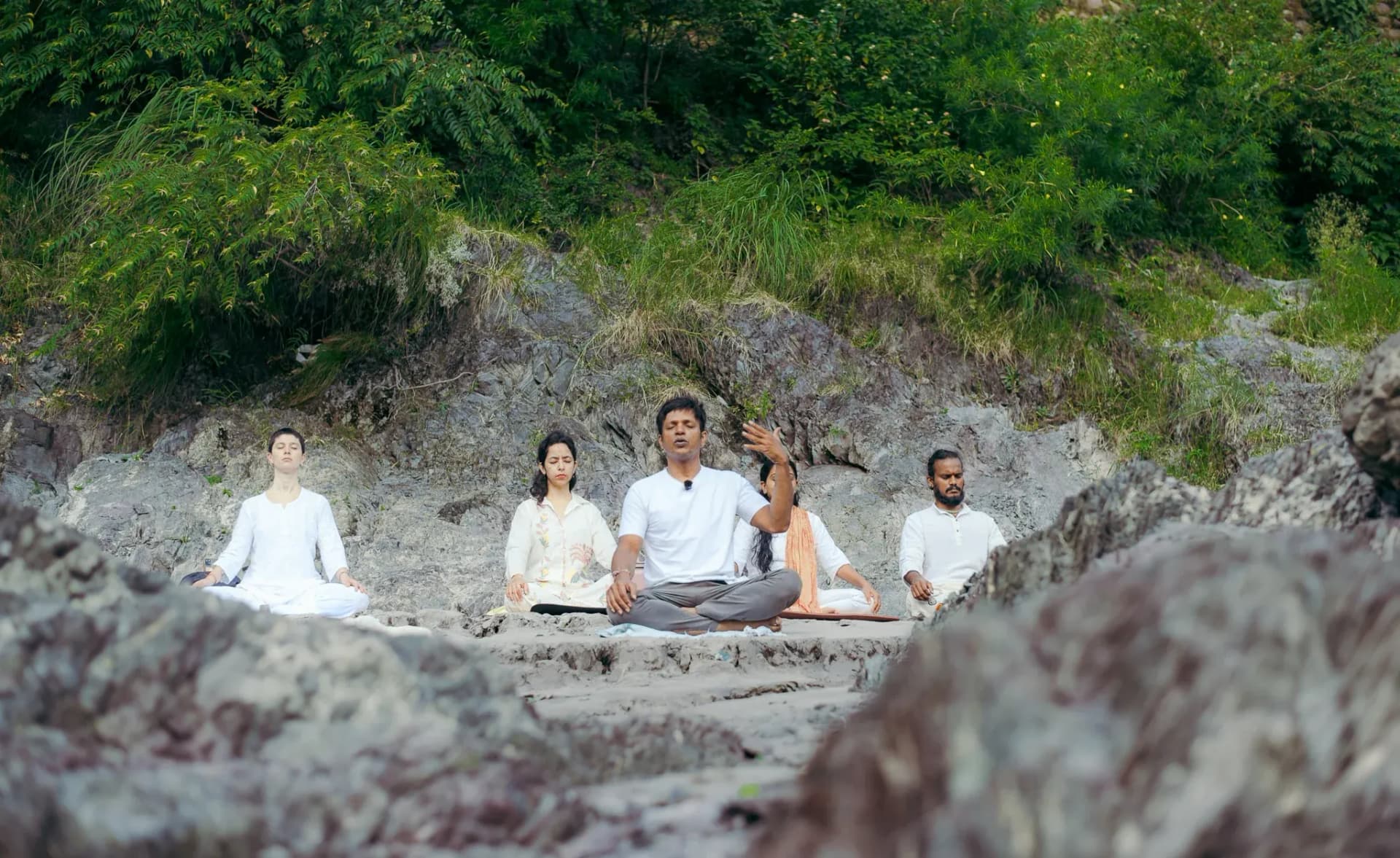
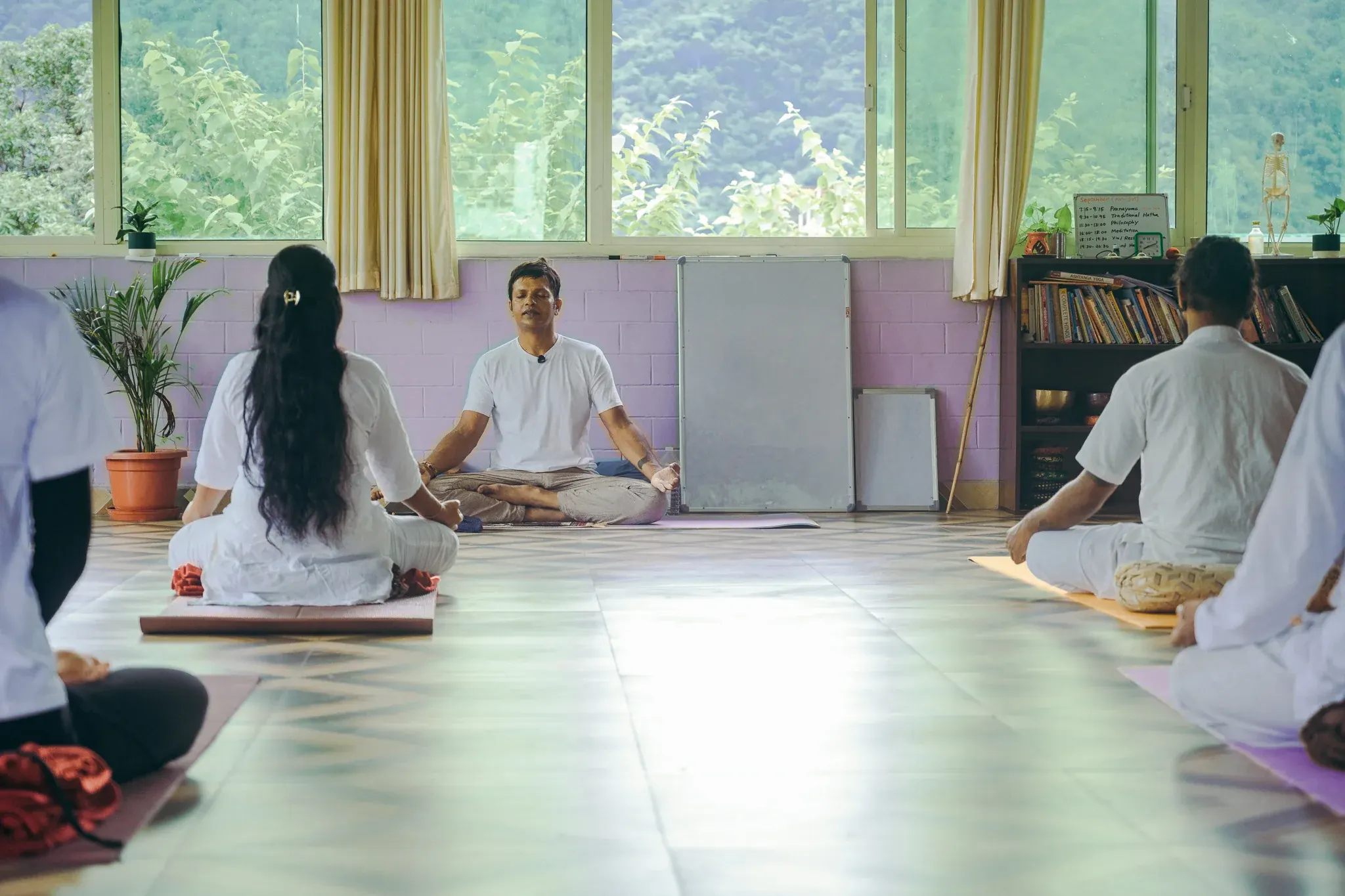
You study pranayama, the bandhas, mudras and bija mantras, and the science and philosophy of pranayama, in two sessions a day. From 07:30 to 09:00 the group practises. From 11:30 to 13:00 there are corrections and study, drawing on classical texts such as Patanjali's Yoga Sutras and the Hatha Yoga Pradipika. Classes run Monday to Saturday, about three guided hours per teaching day.
The first week covers kapalabhati, bhastrika, yogic breath, agnisara, ujjayi, the three bandhas, Nadi Shodhana with Chandra and Surya bhedana, and kumbhaka with the bandhas. The 15-day course joins the practices to the locks, including Maha bandha, and adds the nadi pranayamas. The 30-day course adds advanced practices and the chakra pranayamas. The full curriculum is on the Advanced Pranayama & Yoga Philosophy Course page.
What does it cost, and what's included?
Tuition is US$149 (₹13,000) for 7 days, US$229 (₹20,000) for 15 days and US$349 (₹30,000) for 30 days. That covers both daily sessions, corrections every teaching day, the science and philosophy of pranayama, and the mudras and bija mantras. Accommodation, meals and travel are not included. A 20% deposit can reserve a place, and the refund and cancellation terms are published so you can read them first.
What are the honest trade-offs?
Every school has trade-offs, and these are ours:
- No certificate is claimed for the flagship course. It is a practitioner course, and it doesn't lead to a teaching qualification.
- Accommodation isn't included in tuition. We help you find a room nearby, but you arrange and pay for it separately.
- It's a small school. That means a modest number of online reviews compared with large schools, so there's less for you to read.
- It's taught in English. The practices keep their Sanskrit names and each is explained, but there is no teaching in other languages.
- It isn't a yoga teacher training. If you need a teaching credential, this course is not the right one.
- The schedule is demanding. Two sessions a day, six days a week, starting at 07:30, with no mid-month starts.
- Kumbhaka is taught gradually. Beginners won't do long breath holds in week one. That is deliberate, but it may disappoint anyone hoping for dramatic retention from the start.
Why is the course built this way?
The course is built so that each stage rests on the one before it. That is why all three lengths start together on the 1st of the month (Monday the 2nd when the 1st is a Sunday), why there are no mid-month starts, and why the first week is the same for everyone. A student on the 30-day course has done exactly the same foundation as a student on the 7-day course before going further.
It is also why kumbhaka is introduced with short, comfortable holds and never forced, and why every teaching day has a session for corrections. Forcing the breath works against the steadiness the practice is meant to build. We would rather you leave with a practice you can keep for life than with one impressive hold you can't repeat, even if the pace feels slow in the first days.
Who is Anantadrishti Yoga not for?
It isn't for you if you want a teaching certificate, an all-inclusive package, a holiday with light yoga, or a course in a language other than English. It also isn't right for anyone for whom breath retention is unsafe. If you are pregnant, or have high blood pressure, a heart condition, recent surgery, glaucoma or raised eye pressure, epilepsy, or a serious psychiatric condition, consult your doctor before booking and tell the teacher. Learn more in our kumbhaka guide.
Who tends to get the most from it?
People who come for the practice itself tend to get the most from it. That includes yoga practitioners who want pranayama taught properly, people who have tried breathwork and want the traditional method behind it, and students who like to understand why a practice is done, not only how. Some prior yoga or breathing practice helps; healthy, sincere beginners can join the 7-day course.
If you want to teach, we also run a 50-Hour Advanced Pranayama & Bhakti Yoga Meditation Teacher Training on 2–8 November 2026, at US$600 all-inclusive (tuition, accommodation and meals), by enquiry.
Where can you read independent reviews?
The best places to read what students have said are the school's Google Maps listing and BookRetreats (search for Anantadrishti Yoga). We'd rather you read them there, in full, than see a selection on our own page. Look at the most recent reviews: some older ones describe earlier course formats, and the current lengths are 7, 15 and 30 days.
How can you check the school before you book?
Talk to us before you pay anything. Ask the same questions you'd ask any school: the daily timetable, how kumbhaka is taught, the group size, the teacher's experience, where you'll stay, and the refund terms. Our guide to the pranayama courses in Rishikesh lists those questions and other schools you might compare us with. Enquiring costs nothing, and the course page has an enquiry form and upcoming dates.
Frequently asked questions
Is Anantadrishti Yoga legit?
Anantadrishti Yoga is a pranayama school with a public address (Near Moktan Coffee Shop, Lower Tapovan, Rishikesh, Uttarakhand 249192, India), published prices and published refund terms. The best independent check is to read its Google Maps and BookRetreats reviews, and to talk to the school on WhatsApp before you book.
Who teaches at Anantadrishti Yoga?
The founder and head teacher is Somashekar, known as Soma to students. He has spent more than 15 years studying and teaching yoga, pranayama and Vedic chanting.
How much does the course cost, and is accommodation included?
Tuition for the Advanced Pranayama & Yoga Philosophy Course is US$149 (₹13,000) for 7 days, US$229 (₹20,000) for 15 days and US$349 (₹30,000) for 30 days. Fees are tuition only; accommodation and meals are not included, but the school helps you find a room nearby.
Is Anantadrishti Yoga good for beginners?
Some prior yoga or breathing practice helps, but healthy, sincere beginners can join the 7-day course. Kumbhaka is taught gradually with short, comfortable holds, so beginners won't be asked to do long holds in the first week.
Does the pranayama course give a certificate?
No certificate is claimed for the Advanced Pranayama & Yoga Philosophy Course. It is a practitioner course, not a yoga teacher training, and it does not lead to a teaching qualification.
Where can I read independent reviews of Anantadrishti Yoga?
On the school's Google Maps listing and on BookRetreats. Read the most recent reviews, because some older ones describe earlier course formats; the current course lengths are 7, 15 and 30 days.
CategoryPlanning
Cours de pranayama avancé
Aller plus loin : le cours de pranayama avancé, 7, 15 ou 30 jours
- 7, 15 ou 30 jours
- Un nouveau départ chaque mois
- Enseigné en anglais
Frais de cours dès149 $US13 000 ₹