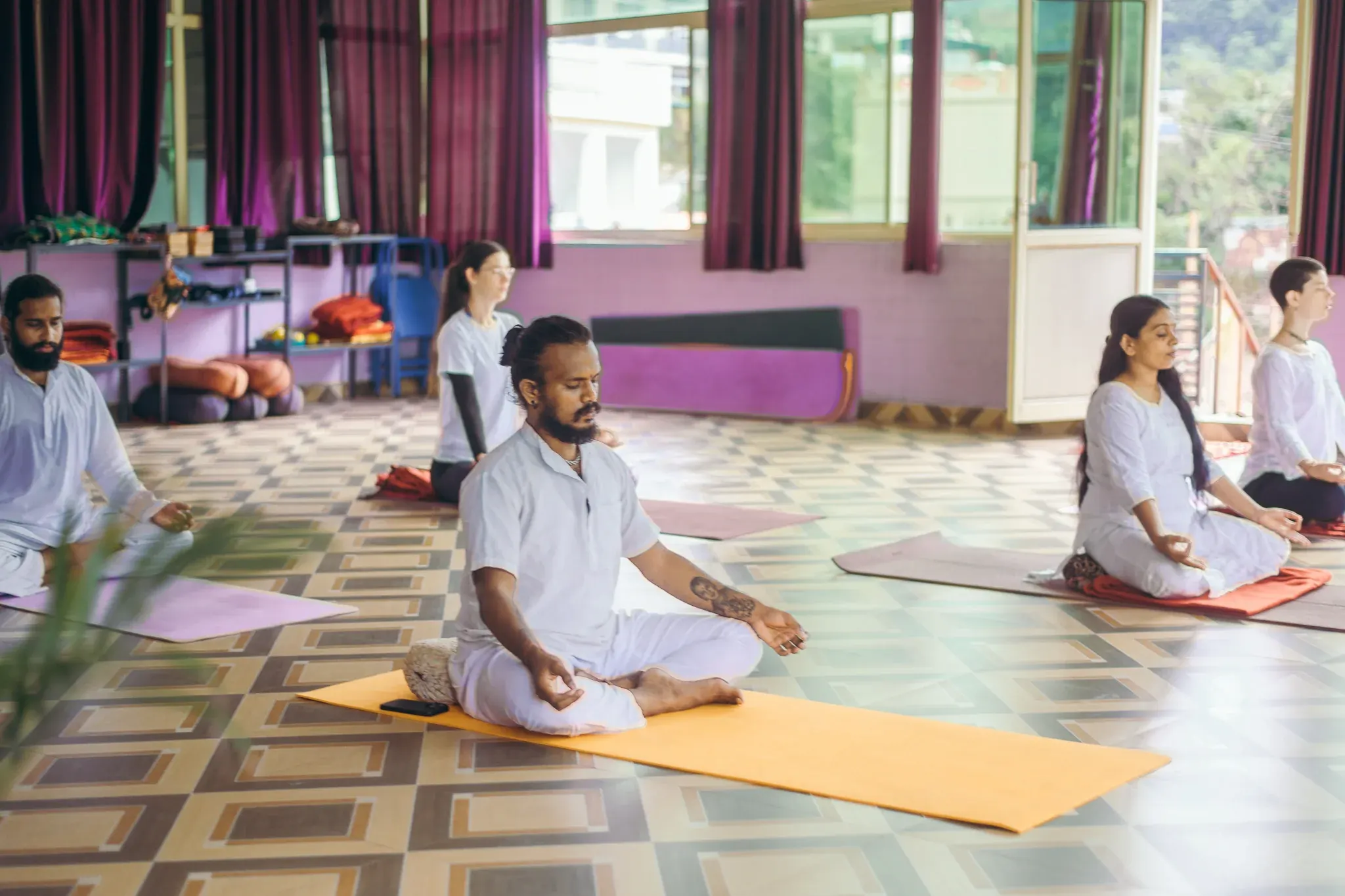
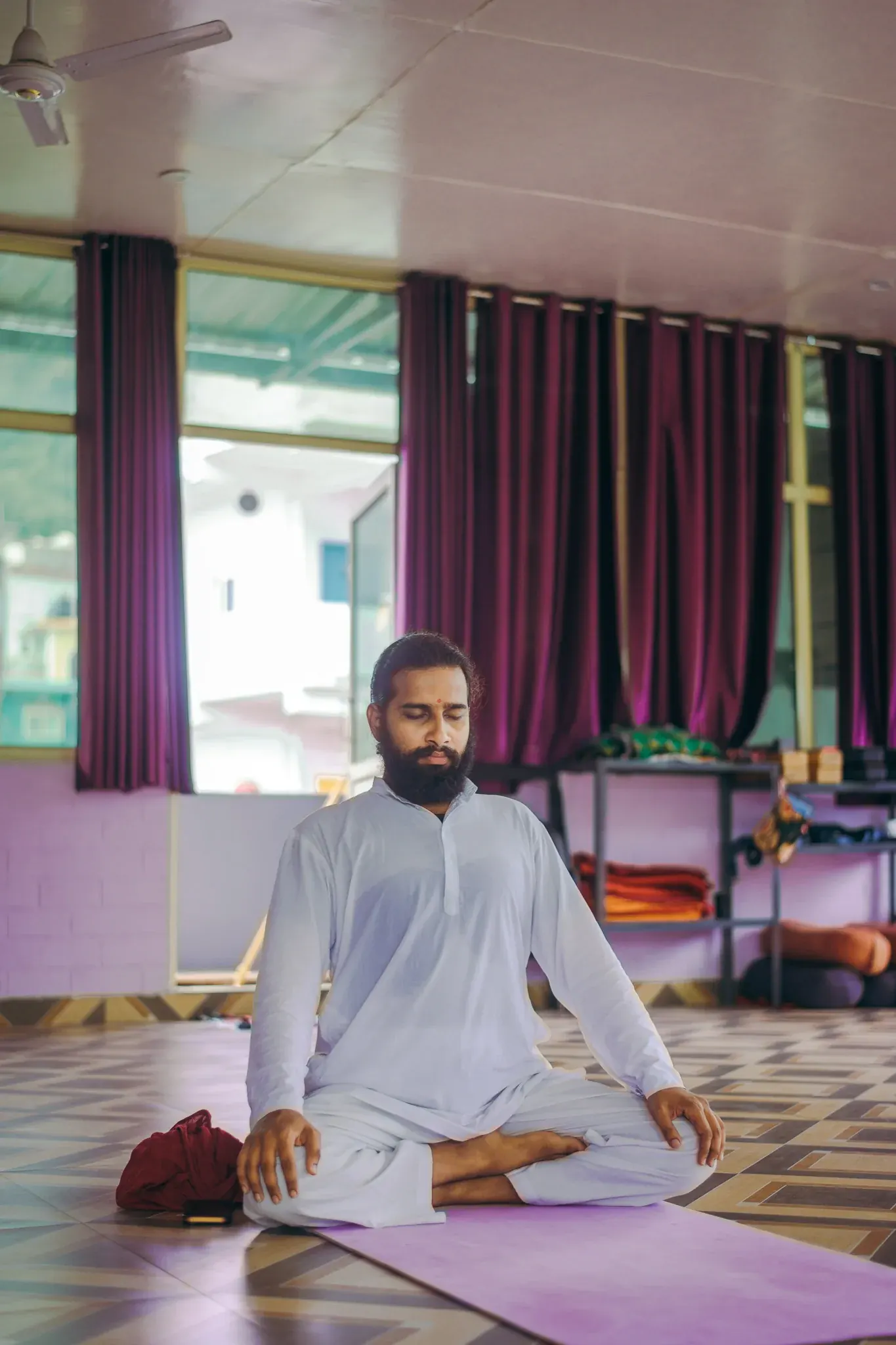
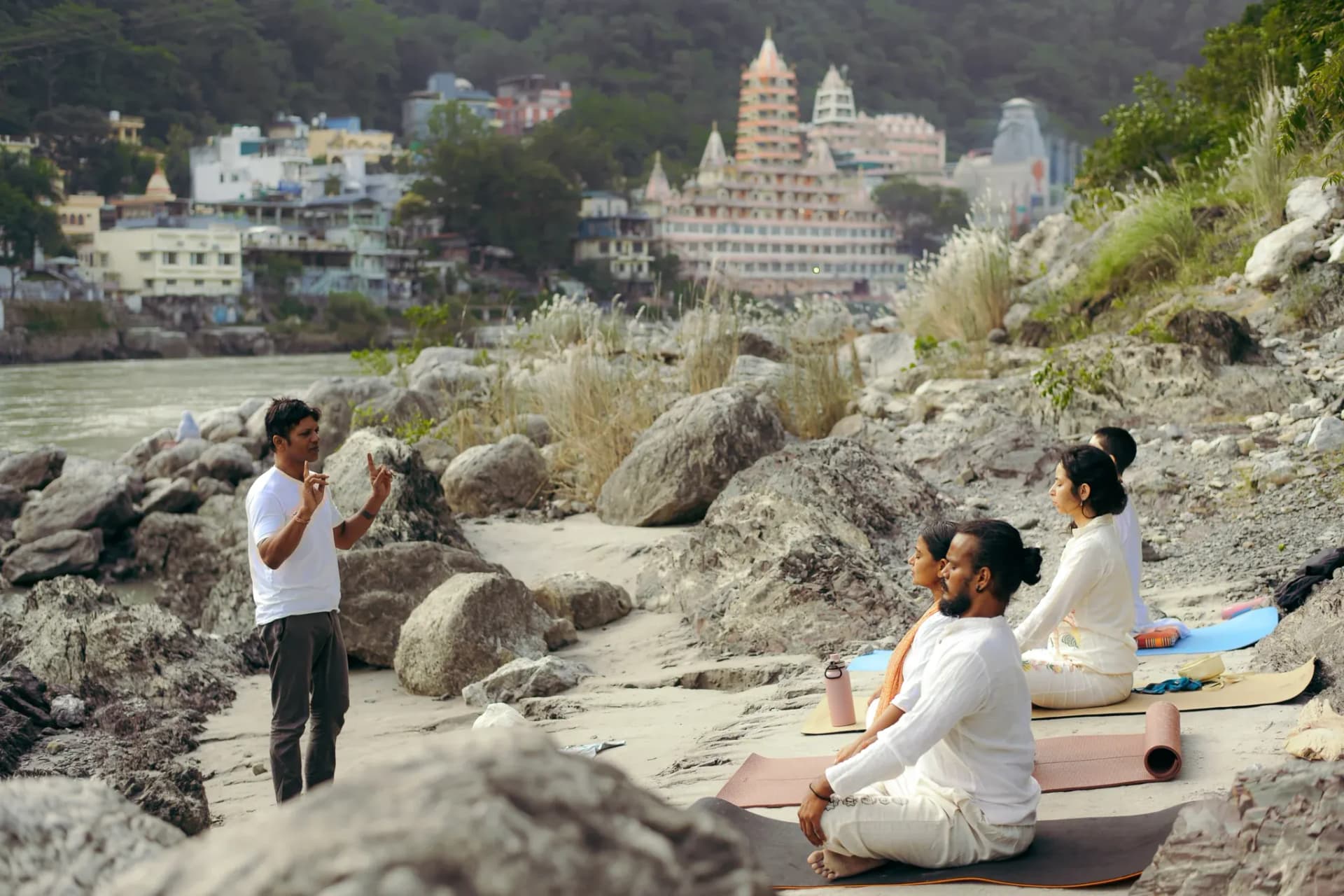
Pranayama
The Science of Breath: Understanding Pranayama
Explore the vital connection between breath and life force energy, and how to work with it for a calmer, steadier mind.
SomeshSeptember 28, 2023
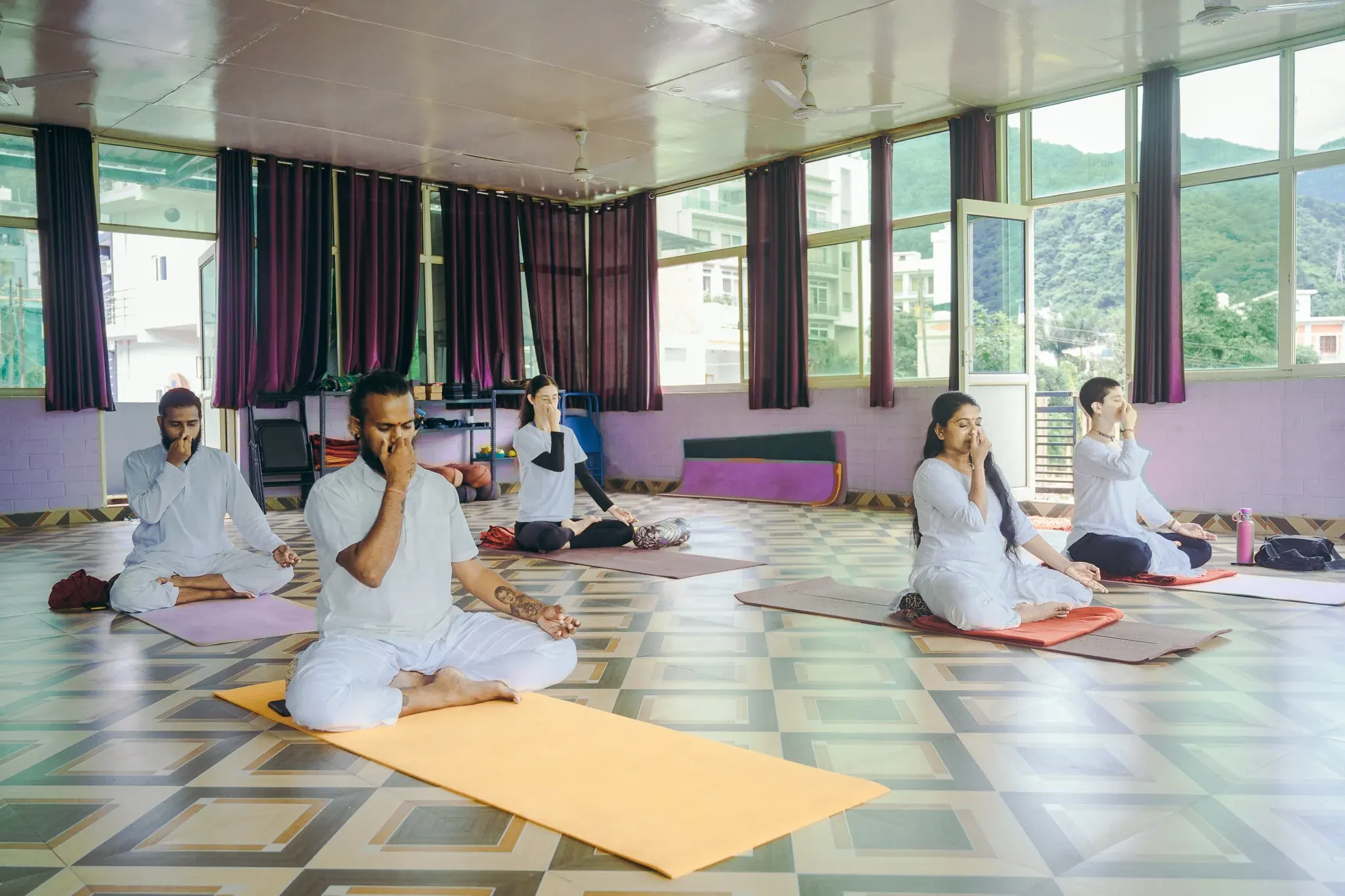
Prana means life force, and Ayama means to extend or control. Pranayama is the practice of controlling the breath, which is the bridge between the body and the mind.
The Vital Connection
The breath is one of the few body functions that is both automatic and under our control. Research suggests that consciously slowing the breath can influence the autonomic nervous system, and many people find it calms the mind.
Techniques for Daily Life
Simple techniques like Nadi Shodhana (Alternate Nostril Breathing) and Bhramari (Humming Bee Breath) can be practiced daily; many people find they help them settle stress and steady their focus.
To learn each technique step by step, explore our complete pranayama hub. If you would like to go deeper under expert guidance, our 7-day pranayama retreat in Rishikesh offers an immersive week dedicated entirely to the breath.
This article is general information, not medical advice. If you are pregnant or have a heart, blood-pressure, respiratory or other health condition, consult your doctor before starting pranayama, especially breath retention or fast techniques.
CategoryPranayama
Advanced Pranayama Course
Go deeper: the Advanced Pranayama Course, 7, 15 or 30 days
- 7, 15 or 30 days
- A new start every month
- Taught in English
Tuition from₹13,000US$149