Pranayama guide
Bhastrika Pranayama: The Complete Guide to Bellows Breath
The classical energizing pranayama — forceful, rhythmic inhalations and exhalations that fan the inner fire, flood the body with prana, and awaken vibrant mental alertness.
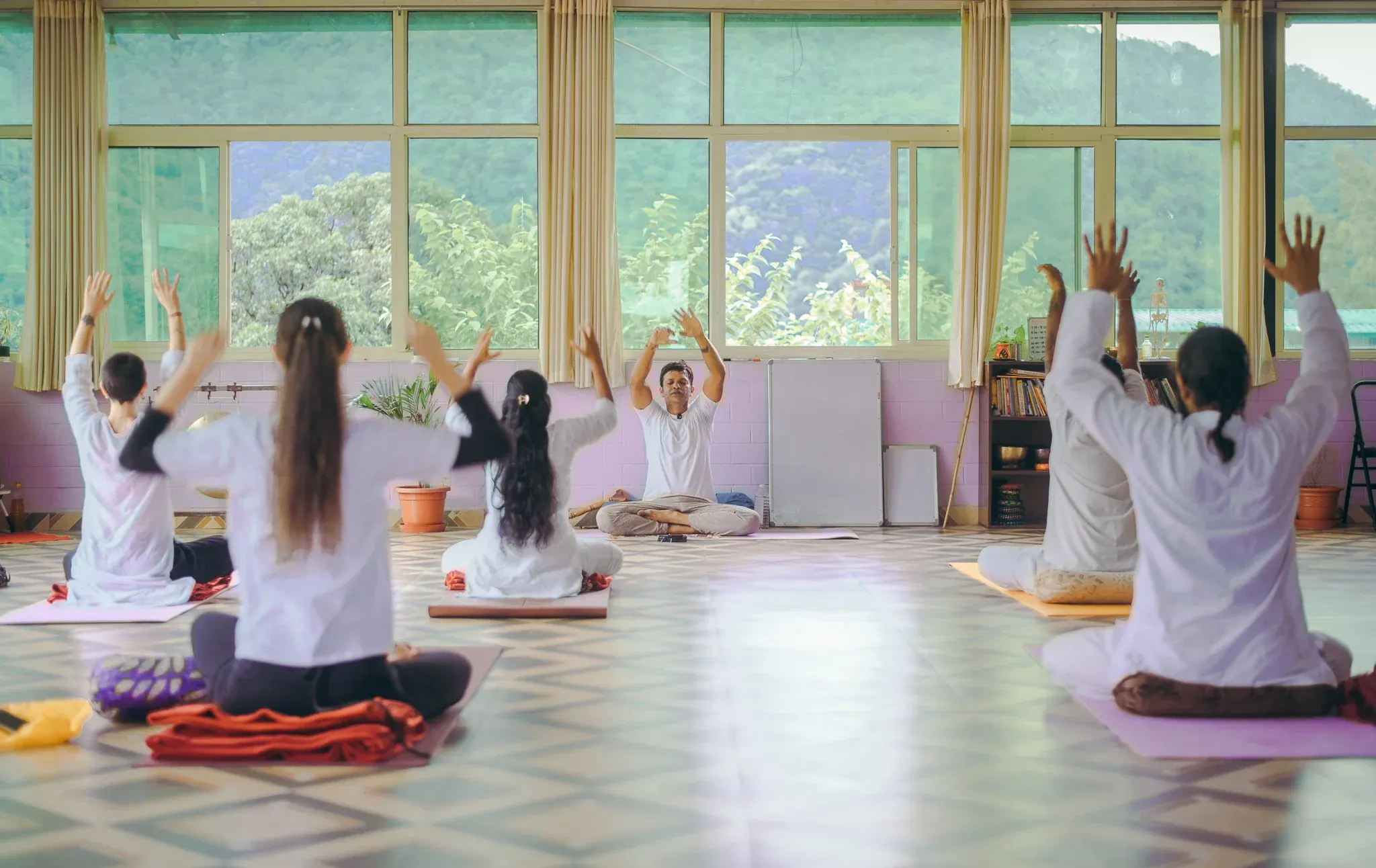
Quick Answer
Bhastrika, the "bellows breath," is an energizing pranayama in which both the inhalation and the exhalation are deep, forceful, and active. Working the diaphragm like a blacksmith's bellows, it moves a large volume of air and builds internal heat, and many practitioners feel it clears mental fog. It is best practised in the morning on an empty stomach.
Learn it in RishikeshBhastrika is taught in the first week of our 7-day pranayama course
What is Bhastrika Pranayama?
Bhastrika takes its name from the Sanskrit word "bhastra," meaning bellows — the leather bag a blacksmith pumps to blast air into a forge and raise its heat. The breath is named for this action because in bhastrika the abdomen and diaphragm pump vigorously, drawing air in and pushing it out with equal force, fanning the digestive and metabolic fire within the body. It is one of the eight classical pranayamas (kumbhakas) described in the Hatha Yoga Pradipika and is prized as one of the most powerful practices for building prana and vitality.
The defining characteristic of bhastrika is that both phases of the breath are active and forceful. Unlike ordinary breathing, where the inhalation is passive, bhastrika demands a full, deep, deliberate inhalation followed by an equally full, forceful exhalation, repeated in a steady rhythm. This complete, energetic breathing stimulates the nervous system and generates a rapid sense of alertness and warmth throughout the body. Classical texts describe bhastrika as the breath that "pierces the three knots" (granthis) and prepares the practitioner for the awakening of higher energy.
Because bhastrika is so stimulating, it is traditionally taught in short bursts followed by rest, and often concluded with a period of kumbhaka (breath retention) to consolidate the energy generated. It is an intermediate-to-advanced practice: the vigour of the breath means it should be built up gradually and always practised with awareness of the body's signals. When performed correctly, bhastrika delivers a clean, sustained lift of energy without the crash that follows stimulants.
Bhastrika vs. Kapalbhati: Two Fiery Breaths Compared
Bhastrika and kapalbhati are often confused because both are fast, warming, cleansing breaths that engage the abdomen. The crucial difference lies in the inhalation. In kapalbhati, only the exhalation is active and forceful — the inhalation is completely passive and happens automatically as the abdomen relaxes. In bhastrika, both the inhalation and the exhalation are active, deep, and forceful, driven by full movements of the diaphragm.
This makes bhastrika the more complete and more intense of the two: it moves a greater volume of air, generates more heat, and produces a stronger energizing effect, whereas kapalbhati is more specifically a cleansing shatkarma focused on the exhalation. Many practitioners learn kapalbhati first to develop abdominal control, then progress to bhastrika. The two are natural companions in a morning practice — kapalbhati to cleanse, bhastrika to energize.
Want to master the exhalation-focused cleansing breath first? Learn Kapalbhati Pranayama.
How to Practise Bhastrika: Step-by-Step
Sit in a stable, upright posture
Sit in Sukhasana, Padmasana, or Vajrasana with the spine erect, shoulders relaxed, and head balanced over the spine. You may rest the hands on the knees in Jnana Mudra. A tall, stable spine is essential because the diaphragm and abdomen must move freely and forcefully throughout the practice.
Take a few settling breaths
Close your eyes and take three or four slow, deep natural breaths to centre yourself and bring awareness to the movement of the abdomen and ribcage. Relax the face, jaw, and shoulders. This preparation connects you to the muscles that will drive the bellows action.
Inhale deeply and forcefully through the nose
Take a full, deep, active inhalation through both nostrils, expanding the abdomen and ribcage completely. Unlike normal breathing, this inhalation is deliberate and vigorous — you are actively drawing a large volume of air into the lungs. The chest and belly expand together as the diaphragm draws down.
Exhale deeply and forcefully through the nose
Immediately follow with an equally full and forceful exhalation through the nose, contracting the abdomen to push the air out completely. The exhalation is as active and powerful as the inhalation — this equal, forceful in-and-out is what distinguishes bhastrika from kapalbhati. The breath should be audible but smooth.
Establish a steady bellows rhythm
Continue this deep, forceful inhalation-exhalation as a steady, rhythmic cycle, like a bellows pumping air. Beginners should keep a slow, controlled pace — roughly one full breath every one to two seconds — and complete a round of ten to fifteen breaths. Keep the head, neck, and shoulders still; only the abdomen and ribcage move.
Finish with a retention
At the end of a round, take one slow, deep inhalation, and hold the breath in comfortably (antara kumbhaka) for a few seconds — advanced practitioners may apply the chin lock (jalandhara bandha). Then exhale slowly and completely. This retention consolidates the energy generated by the round.
Rest, then repeat
After each round, return to natural breathing for thirty seconds to a minute, observing the warmth, tingling, and heightened alertness in the body and mind. Practise three rounds in total to begin with, gradually increasing the length and number of rounds over weeks under guidance. Never push through dizziness.
Benefits of Bhastrika Pranayama
Rapid Energization
The forceful, complete breathing stimulates the nervous system, and many practitioners feel a clean, immediate lift of energy and alertness.Builds Internal Heat
The vigorous bellows action generates significant tapas (internal heat), warming the body from within — especially valuable in cold weather and when the body feels sluggish.Clears the Respiratory System
The deep, forceful breaths ventilate the entire lung capacity, flushing out stale air and strengthening the diaphragm, intercostal muscles, and overall respiratory efficiency.Sharpens Mental Clarity
Many practitioners find that a few rounds dispel mental fog and drowsiness, leaving the mind bright, focused, and alert — a reason bhastrika is often practised at the start of a session.Digestion & Agni
The powerful pumping of the abdomen is traditionally said to stoke agni, the digestive fire. Always practise on an empty stomach, never after a meal.Awakens Prana
Classical yoga regards bhastrika as one of the most effective breaths for building and circulating prana throughout the body, energizing the subtle channels and preparing for deeper practice.Deeper Breathing
Filling and emptying the lungs completely, round after round, makes you aware of the full breath. With regular practice, many students notice that their everyday breathing becomes deeper and steadier.Lifts Lethargy
The stimulating, heating quality of the practice counters heaviness, tamas, and dullness; many practitioners feel brighter and more energetic after a mindful morning practice. It is not a treatment for depression.
Precautions: Who Should Avoid Bhastrika
Bhastrika is a powerful, stimulating practice and is NOT suitable for everyone. Observe these contraindications carefully:
- High blood pressure: The forceful breathing and any retention can sharply raise blood pressure. Those with high or uncontrolled hypertension must avoid bhastrika and choose gentle, slow breathing instead.
- Pregnancy: Bhastrika is contraindicated throughout pregnancy. The forceful abdominal pumping and breath retention create pressure changes that are unsafe for the mother and baby.
- Heart disease: The cardiovascular demands of vigorous bhastrika are significant. Anyone with a heart condition, recent cardiac event, or heart surgery should avoid it and consult their cardiologist.
- Hernia: The strong intra-abdominal pressure generated by bhastrika can aggravate abdominal, inguinal, or hiatal hernias and should be avoided.
- Epilepsy or seizure disorders: Rapid, forceful breathing can alter brain chemistry and may lower the seizure threshold in susceptible individuals; bhastrika should be avoided.
- Glaucoma or ear/eye issues: The pressure changes during forceful breathing and retention can affect the eyes and ears; those with glaucoma, retinal problems, or ear conditions should avoid the practice.
- Vertigo or recent surgery: Anyone prone to dizziness, or recovering from abdominal or chest surgery, should avoid bhastrika until fully recovered and cleared by a doctor.
When to Practise Bhastrika
The best time to practise bhastrika is early morning, on an empty stomach, before your asana or meditation session. Its energizing, heating quality makes it an ideal way to dispel morning grogginess and prepare the body and mind for the day. In colder seasons it is especially valuable for generating warmth.
Avoid practising bhastrika in the evening or close to bedtime, as its stimulating effect can interfere with sleep. Always allow at least three to four hours after a full meal, practise in a clean and well-ventilated space, and begin with just a few gentle rounds — the vigour of bhastrika means quality and control matter far more than speed or volume.
Frequently Asked Questions About Bhastrika Pranayama
What is the difference between bhastrika and kapalbhati?
Is bhastrika safe for high blood pressure?
How many rounds of bhastrika should I do?
Can bhastrika be done during pregnancy?
Why do I feel dizzy during bhastrika?
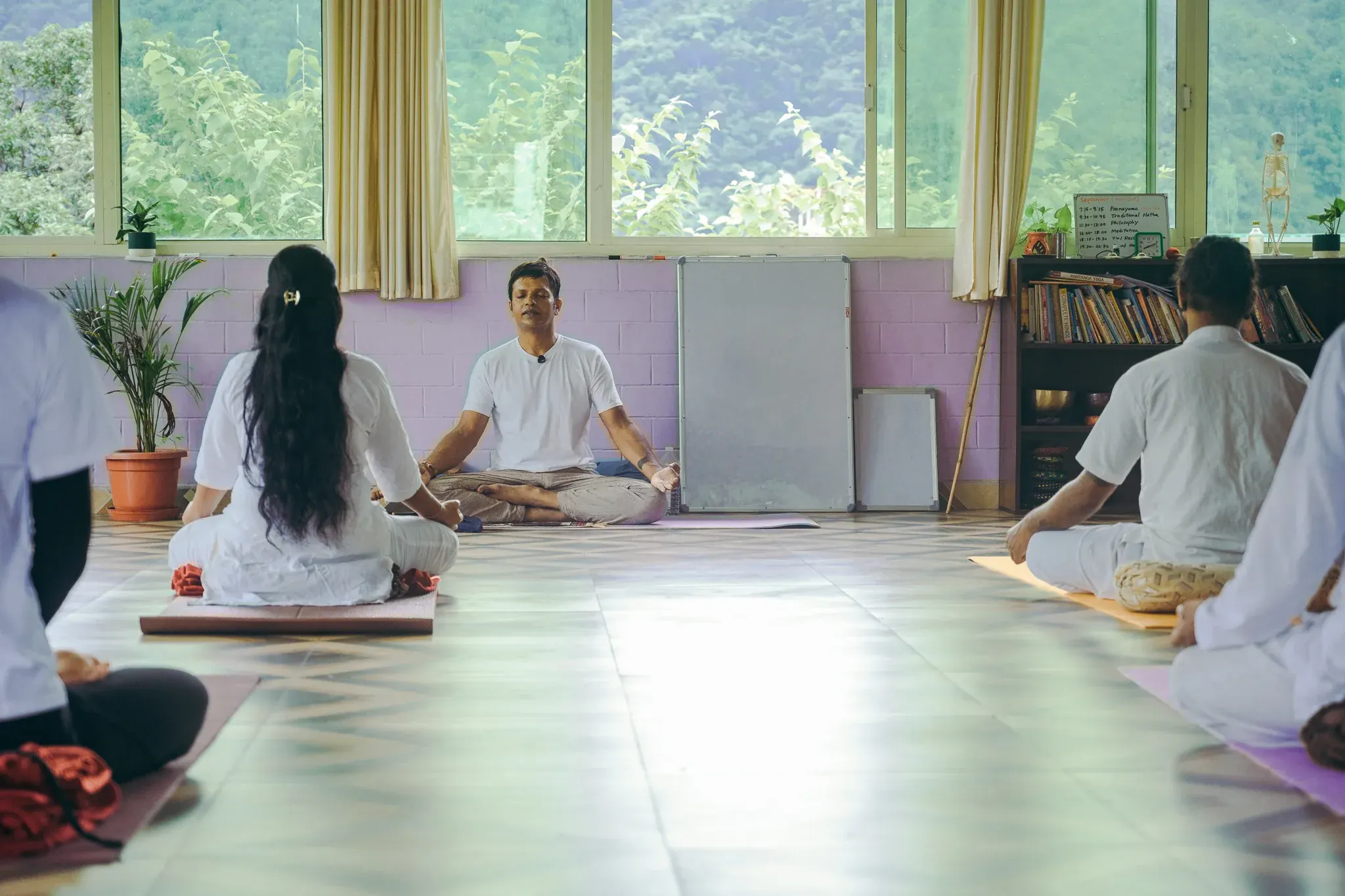
Advanced Pranayama Course
Go deeper: Bhastrika, then Bhastrika with Maha bandha
- 7, 15 or 30 days
- A new start every month
- Taught in English
Tuition₹13,000US$149
Continue Exploring Pranayama
- Kapalbhati PranayamaThe exhalation-focused cleansing breath — a natural companion to energizing bhastrika.
- Pranayama: Complete GuideOverview of yogic breathing, the five pranas, and our programs.
- Advanced Pranayama Course in Rishikesh7, 15 or 30 days: kumbhaka with the bandhas, nadi and chakra pranayamas, mudras and bija mantras.
- 15-Day Pranayama Course in RishikeshBhastrika with Maha bandha, kumbhaka and the bandhas, taught step by step in our 15-day course.
- Bandhas: Yoga's energy locksMula, Uddiyana, Jalandhara and Maha bandha: what each lock is, and how it joins pranayama and kumbhaka.
- Kumbhaka: Breath retentionAntar and bahya kumbhaka: holding the breath in and out, with the bandhas, and how to begin safely.