Technique library
Breathwork Techniques: From Ancient Pranayama to Modern Practice
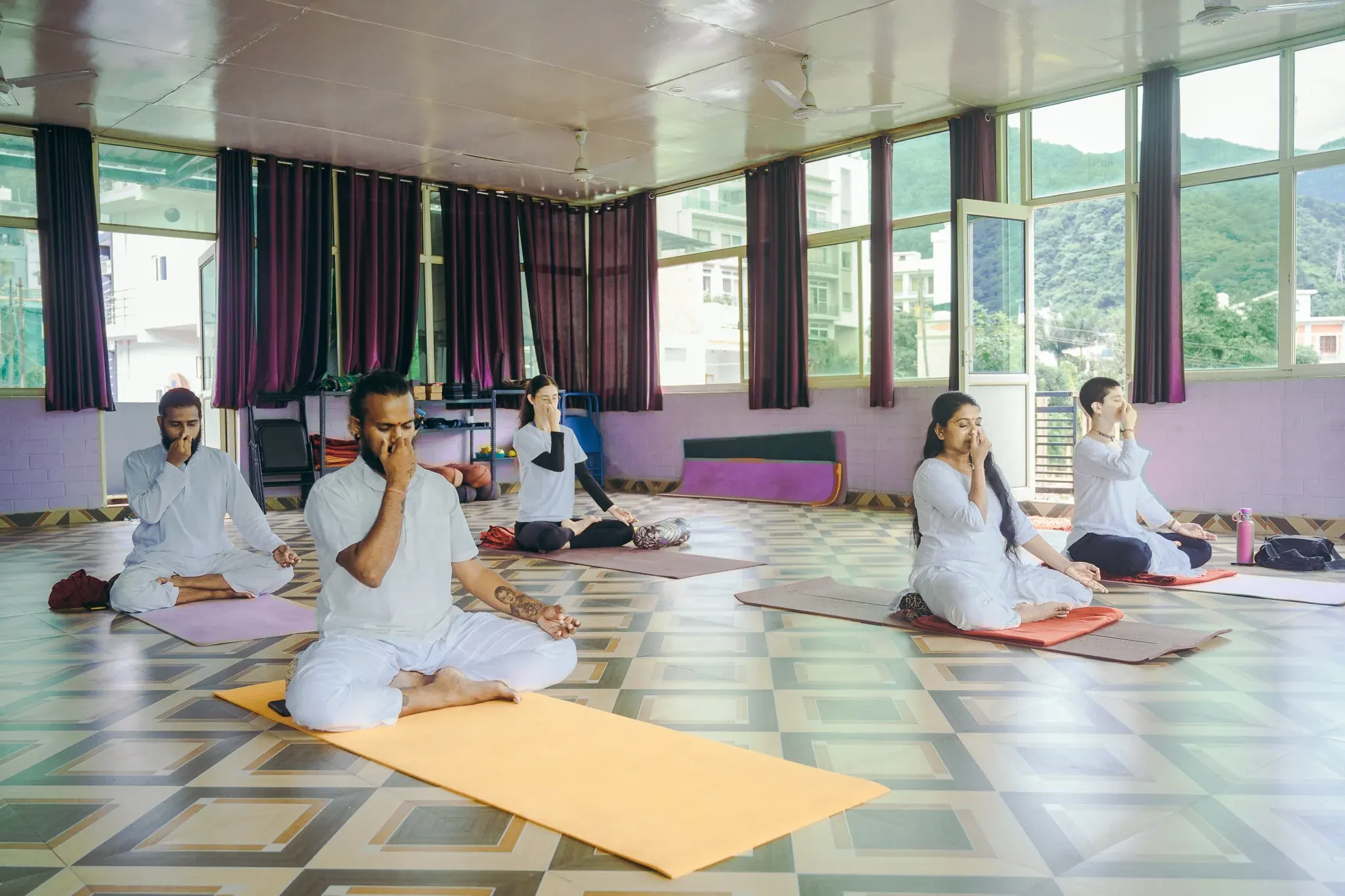
Classical Pranayama Techniques
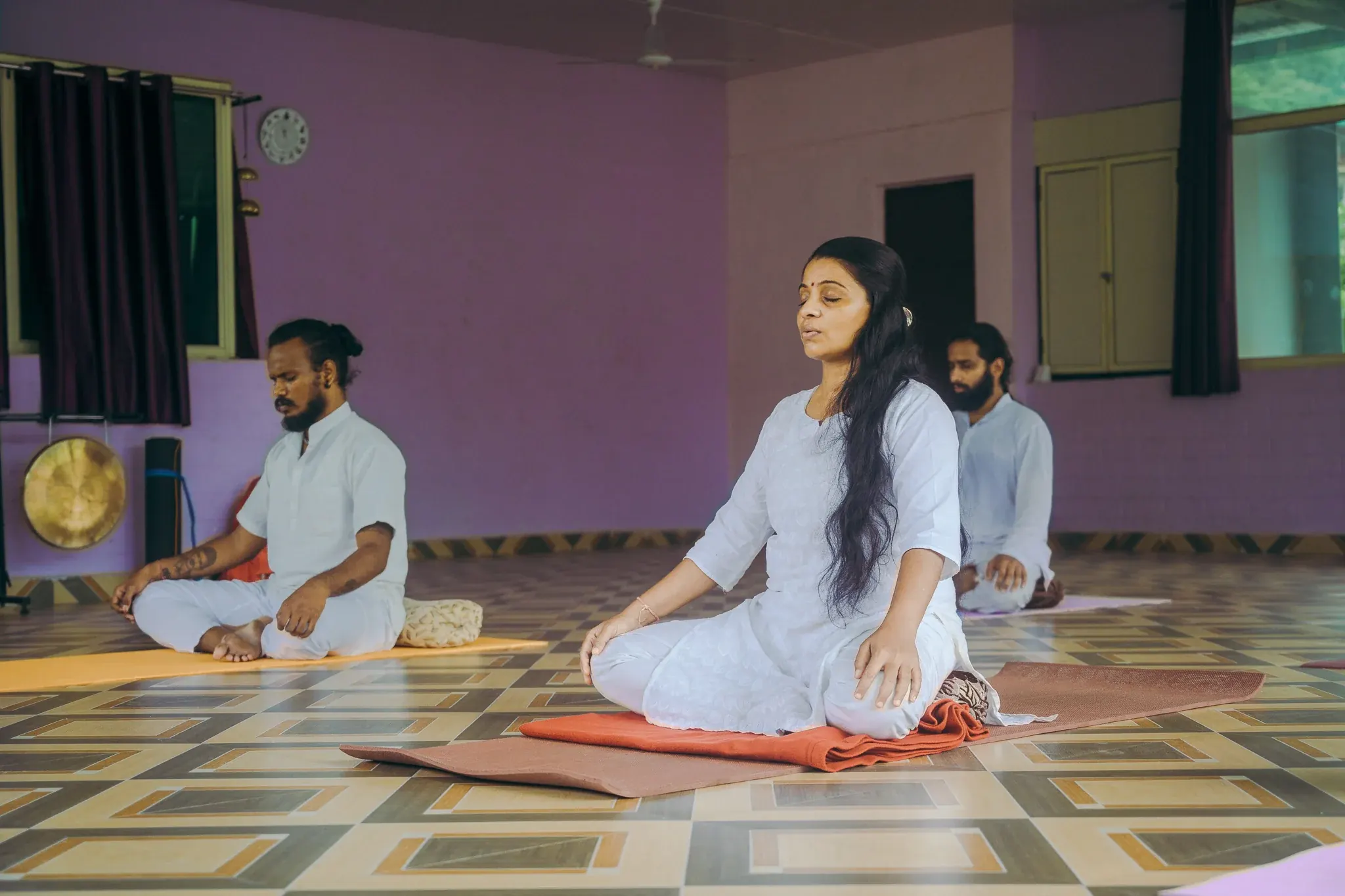 BeginnerUjjayi
Ocean Breath / Victorious Breath
A slow, audible breathing technique that creates a gentle constriction at the back of the throat, producing a soft ocean-like sound. Its slow, even rhythm is the foundational breath of vinyasa and ashtanga yoga practice, and it is traditionally said to build internal heat.
Key benefits
- Slows the breath, which many students find calming
- Traditionally said to build internal heat
- Gives the attention a steady anchor
- A steady rhythm for asana and meditation
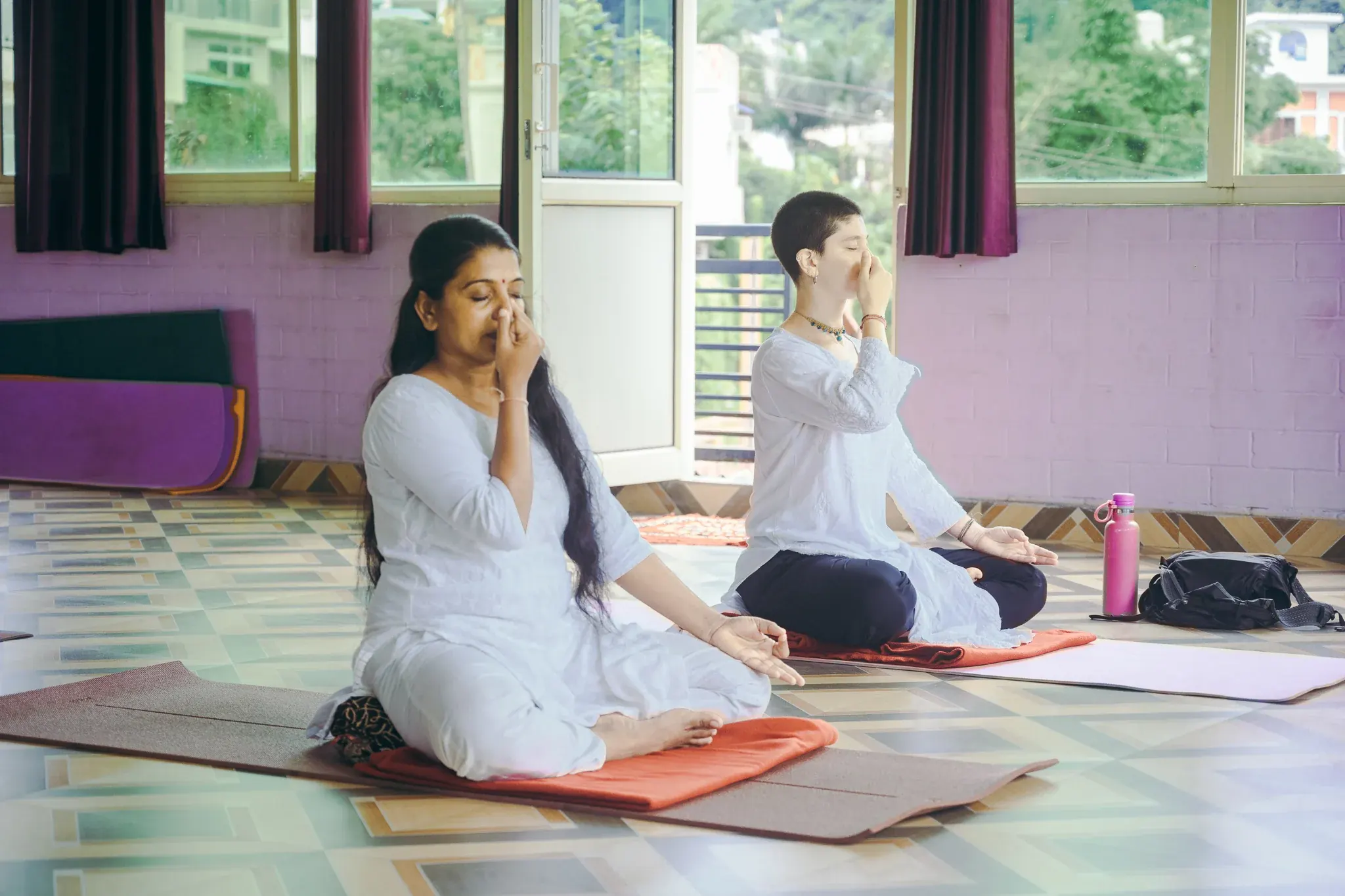 BeginnerAnulom Vilom
Alternate Nostril Breathing
A classic balancing technique of the pranayama system. The breath alternates between the left and right nostrils, which yoga describes as purifying the energy channels (nadis). Studies suggest slow alternate-nostril breathing may help balance the sympathetic and parasympathetic branches of the autonomic nervous system.
Key benefits
- Traditionally said to balance the ida and pingala nadis
- Studies suggest slow breathing may ease the stress response
- Trains a slow, even and full breath
- Prepares the mind for meditation
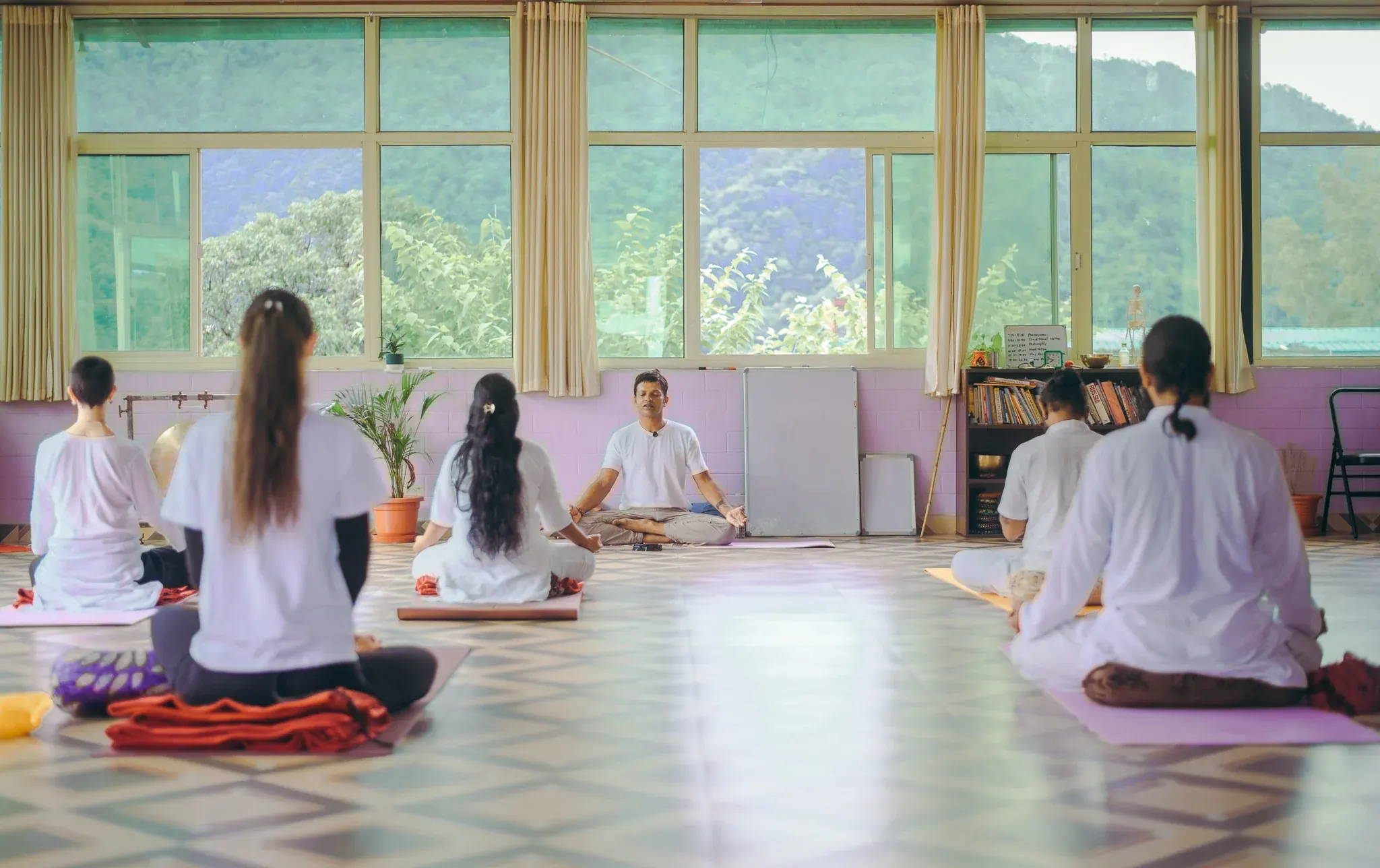 IntermediateKapalbhati
Skull-Shining Breath
A dynamic, energizing kriya (cleansing technique) of rapid, forceful exhalations followed by passive inhalations. Classical texts list it among the shatkarmas, the cleansing practices of hatha yoga; the strong abdominal pumping works the core, and many practitioners feel more alert afterwards.
Key benefits
- A classical cleansing practice (shatkarma)
- Traditionally said to kindle the digestive fire (agni)
- Many practitioners feel clearer and more alert
- Works the abdominal muscles
 BeginnerBhramari
Humming Bee Breath
A calming technique: you hum steadily on a long exhale, and the vibration is felt through the head. The long, humming exhale is thought to engage the vagus nerve, and many students find it settles them within a few rounds.
Key benefits
- Many students find it settling when agitated
- The long humming exhale may engage the vagus nerve
- Small studies report a slower heart rate after practice
- Prepares the mind for meditation and sleep
 AdvancedBandhas & Kumbhaka
Energy Locks & Breath Retention
Advanced pranayama involves combining breath retention (kumbhaka) with muscular energy locks (bandhas) at the throat, abdomen, and pelvic floor. These techniques redirect prana through the central channel (sushumna nadi) and are considered the gateway to higher meditative states.
Key benefits
- Deepens concentration and pratyahara
- Builds steady, comfortable breath retention over time
- Joins the breath to the root, abdominal and chin locks
- Reserved for dedicated practitioners with a foundation
 All LevelsComplete Pranayama
Full Guide to All Techniques
Our comprehensive guide covers every classical pranayama technique, including Surya and Chandra Bhedana, Bhastrika (bellows breath), Sheetali (cooling breath), and Moorchha. Learn how each technique fits into a complete daily practice (sadhana).
Key benefits
- Understand all classical pranayama techniques
- Learn proper sequencing for daily practice
- Discover which techniques suit your constitution
- Progress safely from beginner to advanced
Modern Breathwork Methods
Box Breathing (4-4-4-4)
Square Breathing / Sama Vritti
Inhale for 4 counts, hold for 4 counts, exhale for 4 counts, hold for 4 counts. Popularised through US Navy SEAL training and used by some first responders to stay calm under pressure. This is essentially a simplified version of the yogic practice of Sama Vritti (equal-ratio) pranayama with kumbhaka (retention).
How to practice
- Sit comfortably with a straight spine
- Inhale slowly through the nose for 4 seconds
- Hold your breath gently for 4 seconds
- Exhale slowly through the nose for 4 seconds
- Hold empty for 4 seconds, then repeat
Best for: Focus, performance anxiety, high-pressure situations
4-7-8 Breathing
Dr. Andrew Weil's Relaxing Breath
Inhale for 4 counts, hold for 7 counts, exhale for 8 counts. Popularized by Dr. Andrew Weil, this technique uses a long exhale, which is thought to favour the parasympathetic nervous system. The prolonged breath retention and slow release mirror the ratios found in traditional Vishama Vritti pranayama.
How to practice
- Place the tip of your tongue behind your upper front teeth
- Exhale completely through your mouth
- Inhale quietly through the nose for 4 counts
- Hold your breath for 7 counts
- Exhale audibly through your mouth for 8 counts
Best for: Winding down before sleep, settling at night
Conscious Connected Breathing
Circular Breathing / Rebirthing Breathwork
A continuous, connected breathing pattern with no pause between inhale and exhale. This sustained rhythmic cycle can bring on altered states and strong emotional release, so it is best done with a trained facilitator. It shares principles with advanced Bhastrika and traditional yogic circular breathing.
How to practice
- Lie down in a comfortable position
- Begin breathing in and out through the mouth continuously
- Make the inhale active and the exhale passive (a natural release)
- Maintain the connected rhythm without pausing
- Continue for 20-45 minutes with a trained facilitator
Best for: Emotional release, self-exploration
How to Choose Your Technique
Beginners
Anulom Vilom, Diaphragmatic Breathing, Bhramari
Gentle techniques that build breath awareness without overwhelming the nervous system. Start here if you are new to breathwork or pranayama.
Stress & Anxiety
Bhramari, 4-7-8 Breathing, Extended Exhale
These techniques lengthen the exhale, which studies suggest may favour the parasympathetic "rest-and-digest" response. Many people find a longer exhale one of the simplest ways to settle.
Energy & Focus
Kapalbhati, Bhastrika, Box Breathing
Dynamic, activating techniques that many practitioners find leave them clearer and more alert. Best practised in the morning on an empty stomach; avoid them if you are pregnant or have high blood pressure or a heart condition.
Advanced Practitioners
Ujjayi with Bandhas, Kumbhaka, Surya Bhedana
Combine breath retention, energy locks, and single-nostril techniques for deeper pranic control. Requires a solid foundation and ideally guidance from an experienced teacher.
This guide is general information, not medical advice. If you are pregnant, or have high blood pressure, a heart condition, epilepsy, glaucoma, recent surgery or a serious psychiatric condition, consult your doctor before practising breath retention, fast or connected breathing, and learn those techniques with a teacher.
Advanced Pranayama Course
Go deeper: a breathwork course rooted in classical pranayama
- 7, 15 or 30 days
- A new start every month
- Taught in English
Tuition fromUS$149₹13 000