Pranayama guide
Sheetali & Sheetkari Pranayama: The Cooling Breaths
Two refreshing yogic breathing techniques that cool the body, calm the mind, and pacify excess heat — nature's air-conditioning for hot weather and a fiery constitution.
Quick Answer
Sheetali and sheetkari are cooling pranayamas. In sheetali you inhale through a curled tongue; in sheetkari you inhale through clenched teeth. Both draw air across moisture in the mouth, cooling it before it reaches the body, which lowers internal heat, calms the nervous system, and balances the fiery pitta dosha.
Learn it in RishikeshGo further with a teacher: our advanced pranayama course in Rishikesh
What are Sheetali and Sheetkari Pranayama?
Sheetali and sheetkari are the two classical "cooling breaths" of hatha yoga, both described in the Hatha Yoga Pradipika and the Gheranda Samhita. The word "sheetali" derives from "sheetal," meaning cool or cold, while "sheetkari" comes from the hissing "see-see" sound made during the practice. Unlike almost every other pranayama, in which the inhalation is taken through the nose, these two techniques draw the breath in through the mouth, passing it over the moist tongue or teeth so that evaporation cools the incoming air.
This cooled air travels into the body and, over a few minutes of practice, produces a noticeable drop in the sensation of internal heat. The classical texts credit these breaths with cooling the body, quenching thirst and hunger, and pacifying disorders of excess heat and bile. In the language of Ayurveda, sheetali and sheetkari are ideal for balancing the pitta dosha — the fire-and-water constitution associated with heat, intensity, irritability, inflammation, and acidity.
Because they are gentle, calming, and require no forceful effort, the cooling breaths are accessible to almost everyone and are especially welcome in summer, in hot climates, and after heating practices such as bhastrika or a vigorous asana session. They are also valued for their soothing effect on the emotions — cooling not just the body but a heated, agitated mind, making them a lovely preparation for relaxation or sleep on a warm night.
Sheetali vs. Sheetkari: Which Cooling Breath to Choose
The two techniques share the same cooling purpose and differ only in how the mouth is shaped during inhalation. In sheetali, you roll the sides of the tongue upward to form a tube or curled channel and breathe in through it, so the air passes over the wet surface of the tongue. In sheetkari, you gently press the upper and lower teeth together, part the lips, and inhale through the teeth, so the air is cooled as it hisses across them.
The practical reason to know both is genetic: the ability to curl the tongue into a tube is an inherited trait, and a significant proportion of people simply cannot roll their tongue. For them, sheetkari is the perfect alternative — it delivers the same cooling and calming effect without requiring the tongue curl. If you can roll your tongue, either technique works; many practitioners alternate between them or simply choose whichever feels more comfortable on a given day.
Looking for another calming, cooling-adjacent breath to pair with these? Explore Bhramari (Humming Bee Breath).
How to Practise Sheetali (and Sheetkari): Step-by-Step
Sit comfortably with a tall spine
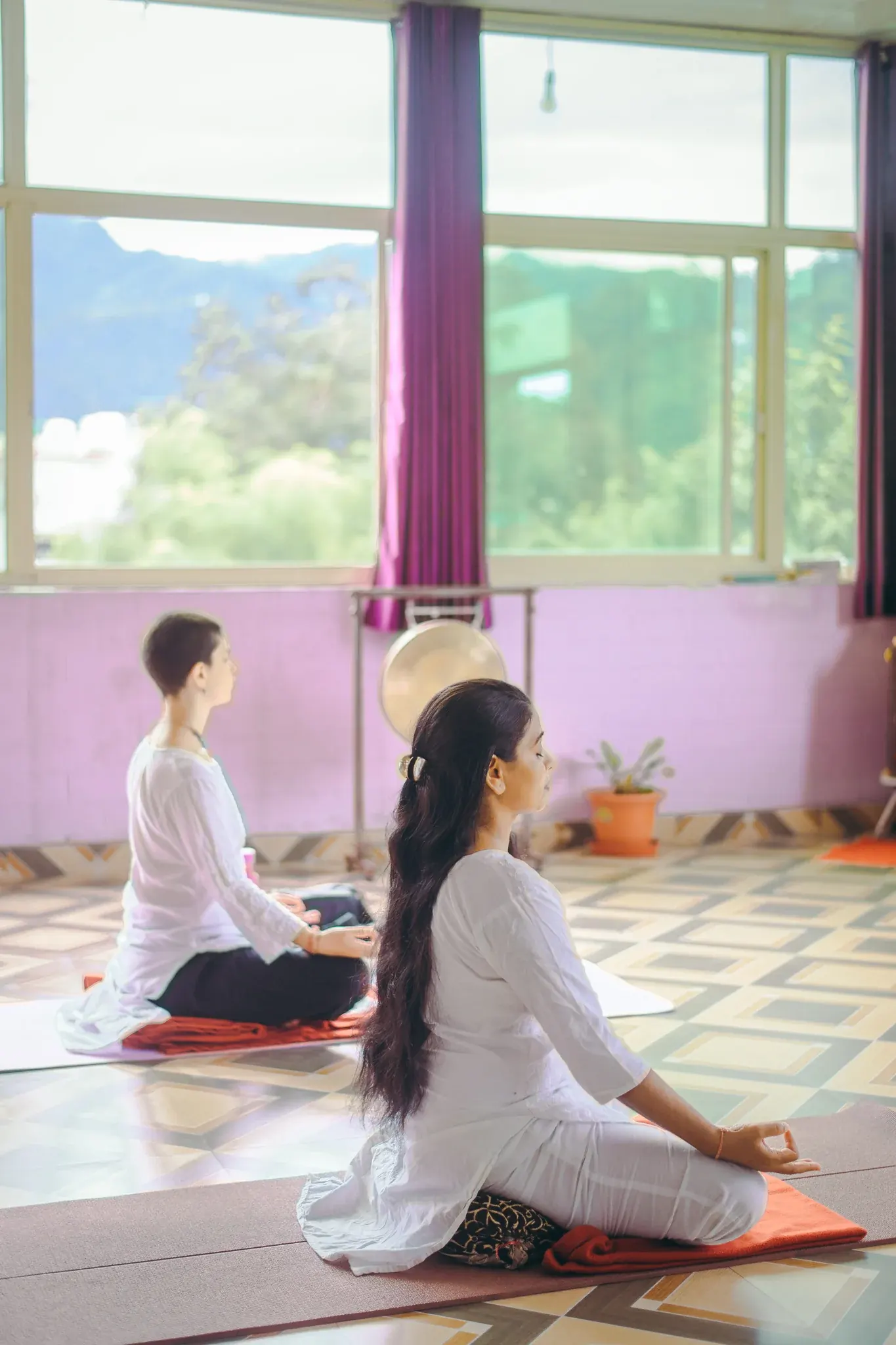
Sit in Sukhasana, Padmasana, or on a chair with the spine erect, shoulders relaxed, and hands resting on the knees in Jnana Mudra. Close your eyes and take a few natural breaths to settle. The posture should be steady and easy so the body can relax while you breathe.
Curl the tongue into a tube
Extend the tongue slightly out of the mouth and roll the outer edges upward so it forms a tube or channel, like a straw. If you can create this shape, you are ready to practise sheetali. The curled tongue creates the surface over which the incoming air will pass and be cooled by evaporation.
If you cannot curl the tongue, switch to sheetkari
The ability to roll the tongue is genetic. If you cannot form the tube, practise sheetkari instead: gently press the upper and lower teeth together, part the lips so the teeth are exposed, and rest the tip of the tongue lightly against the back of the upper teeth. You will inhale through the teeth rather than through a curled tongue — every other step remains the same.
Inhale slowly through the mouth
Breathe in slowly and deeply through the curled tongue (or through the teeth, for sheetkari). You will feel the cool air passing over the moist surface and a distinct coolness spreading into the mouth and throat. In sheetkari you will also hear a soft hissing "see" sound. Draw the breath in smoothly until the lungs are comfortably full.
Withdraw the tongue, close the mouth, and exhale through the nose
At the end of the inhalation, draw the tongue back in, gently close the mouth, and lower the chin slightly toward the chest if comfortable. Then exhale slowly and completely through both nostrils. The exhalation is always through the nose — only the inhalation is taken through the mouth.
Repeat and build gradually
Continue this cycle — cooling inhalation through the mouth, nasal exhalation — for a round of eight to fifteen breaths. Beginners may start with five minutes; over time you can build to ten or fifteen minutes. Notice the cooling, calming sensation in the body and the settling of the mind with each round.
Close the practice
When you finish, return to natural nasal breathing, keep the eyes closed for a minute or two, and observe the lingering coolness and calm. Then gently open the eyes. Because the practice is soothing, it blends beautifully into a period of relaxation, meditation, or rest.
Benefits of Sheetali & Sheetkari Pranayama
Cools the Body
The signature benefit — the cooled inhaled air lowers the sensation of internal heat, making these breaths ideal for hot weather, hot climates, and after heating practices.Balances Pitta Dosha
In Ayurvedic terms the cooling breaths pacify excess pitta, the fire element that Ayurveda links with heat, irritability, inflammation and acidity. This is a traditional framework: the practice is not a treatment for inflammation or acidity.Calms the Mind and Emotions
The slow, soothing rhythm cools an agitated, heated, or angry mind, quieting mental restlessness and cultivating a sense of composure and equanimity.Eases Everyday Stress
The slow, gentle exhalation favours the parasympathetic, rest-and-digest side of the nervous system, and many students feel less tense afterwards. It is not a treatment for anxiety.Quenches Thirst and Hunger
The classical texts describe sheetali as reducing the sensations of thirst and hunger — a soothing effect on the mouth and throat that is welcome in dry heat.Soothes the Throat and Mouth
The cool, moist air is gentle on the throat and can relieve a sensation of dryness or heat in the mouth, throat, and the oral tissues.Supports Restful Sleep
Practised in the evening on a warm night, the cooling and calming effect settles the body and mind, making it easier to relax into restful sleep.Blood Pressure: What Is Known
Slow, relaxed breathing is traditionally associated with a calming influence on blood pressure, but research on sheetali itself is limited and it is not a treatment. If you have high blood pressure, keep working with your doctor and never change your medication on your own.
Precautions: Who Should Avoid the Cooling Breaths
Because these breaths cool and are taken through the mouth, they are best avoided in cold conditions and certain respiratory states. Observe these precautions:
- Cold weather or a cold constitution: Avoid the cooling breaths in winter or cold climates, and if you naturally feel cold, as they can lower body heat excessively and aggravate cold-related imbalances (excess kapha).
- Low blood pressure: The relaxing, cooling effect can lower blood pressure further; those with low blood pressure should practise cautiously and stop if they feel lightheaded.
- Respiratory conditions: Those with asthma, bronchitis, or chronic congestion should be cautious, as drawing cool air through the mouth can trigger the airways. Avoid during an active flare-up.
- Cough, cold, or excess mucus: Avoid the cooling breaths when you have a cold, cough, sinus congestion, or excess mucus, as the cool inhalation can aggravate these conditions.
- Chronic constipation: Some traditions advise those with chronic constipation to practise sparingly, as the cooling quality is said to slow the system; follow your teacher's guidance.
- Polluted or unclean air: Because the inhalation is through the mouth rather than the filtering nose, avoid practising in dusty, polluted, or contaminated air; choose a clean environment.
When to Practise Sheetali and Sheetkari
The ideal time is during the heat of the day, in summer, or in a hot climate — whenever the body needs cooling. They are wonderfully effective after a heating pranayama such as bhastrika, or following a vigorous asana practice, to bring the body's temperature and energy back into balance. Many practitioners also use a few minutes of cooling breath in the late afternoon to reset an overheated, irritable mind.
Evening practice on a warm night can help the body relax into sleep. Conversely, avoid these breaths first thing on a cold winter morning or in cold weather, when the body needs warmth rather than cooling. As always, practise on a relatively empty stomach, in a clean-aired space, and let the calming quality guide you into a period of rest or meditation.
Frequently Asked Questions About the Cooling Breaths
What is the difference between sheetali and sheetkari?
What should I do if I cannot roll my tongue?
When should I avoid practising cooling breaths?
Can cooling breath really lower body temperature?
How long should I practise the cooling breaths?
Advanced Pranayama Course
Go deeper: the Advanced Pranayama Course in Rishikesh
- 7, 15 or 30 days
- A new start every month
- Taught in English
Tuition from149 USD13.000 ₹
Continue Exploring Pranayama
- Bhramari PranayamaThe calming humming bee breath — another soothing technique to pair with the cooling breaths.
- Pranayama: Complete GuideOverview of yogic breathing, the five pranas, and our programs.
- Surya & Chandra BhedanaSingle-nostril breathing; chandra bhedana, through the left nostril, is the other classical cooling breath.
- Advanced Pranayama Course in RishikeshGo deeper: kumbhaka, bandhas and nadi pranayamas, taught step by step in our 7, 15 or 30-day course.