Mantras
Mantras and Healing: What Tradition and Research Say
The spiritual meaning of mantra chanting, what early research suggests about chanting, the breath and the nervous system, and how to begin.
Somashekar
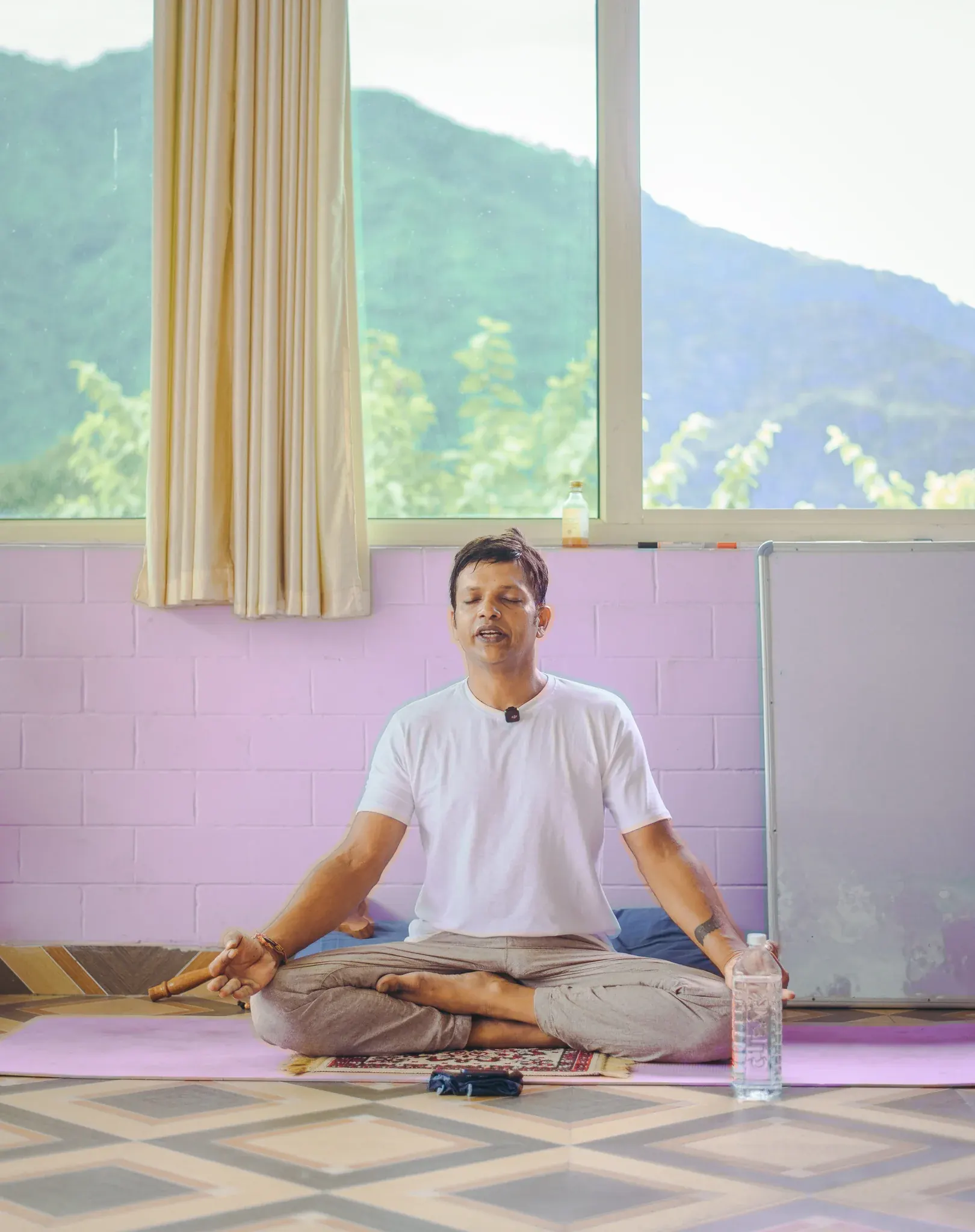
Mantras are sacred sound formulas that have been used for thousands of years to focus the mind and, in the yogic tradition, to support healing and elevate consciousness. The word mantra comes from two Sanskrit roots: man (mind) and tra (tool or instrument). A mantra is literally a "tool for the mind."
How Sound Vibration Works
Chanting creates resonance in the vocal cords, sinuses, and chest cavity, and it naturally lengthens the exhale. Because a long, slow exhale is thought to engage the vagus nerve, researchers have begun to study whether chanting has calming effects similar to slow breathing, such as a slower heart rate. The research is early and the studies are small, but many people find that chanting settles the mind and the nervous system.
Powerful Mantras to Begin With
- Om (ॐ): In the yogic tradition, the primordial sound of the universe. Chanting Om is said to align body, mind, and spirit with the cosmic vibration.
- Om Namah Shivaya: "I bow to Shiva" — a mantra of transformation and inner peace.
- Gayatri Mantra: One of the most ancient and powerful Vedic mantras, a prayer for wisdom and illumination.
- So Hum: "I am That" — a natural mantra that mirrors the sound of breathing.
Whether you chant aloud (Vaikhari), in a whisper (Upamshu), or silently (Manasika), the key is regularity. Even 5 minutes of daily mantra practice can noticeably shift your mental state and deepen your meditation.
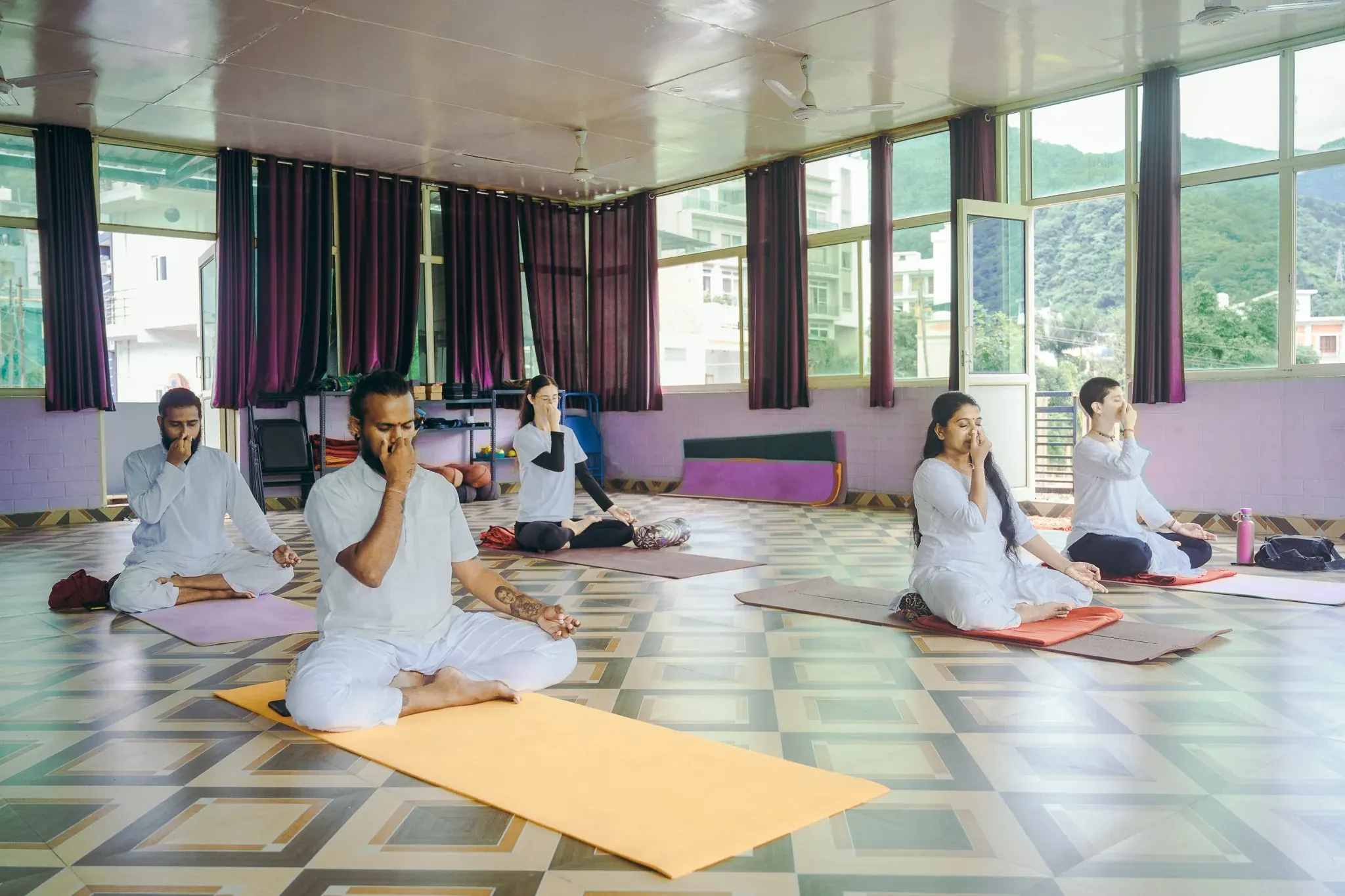
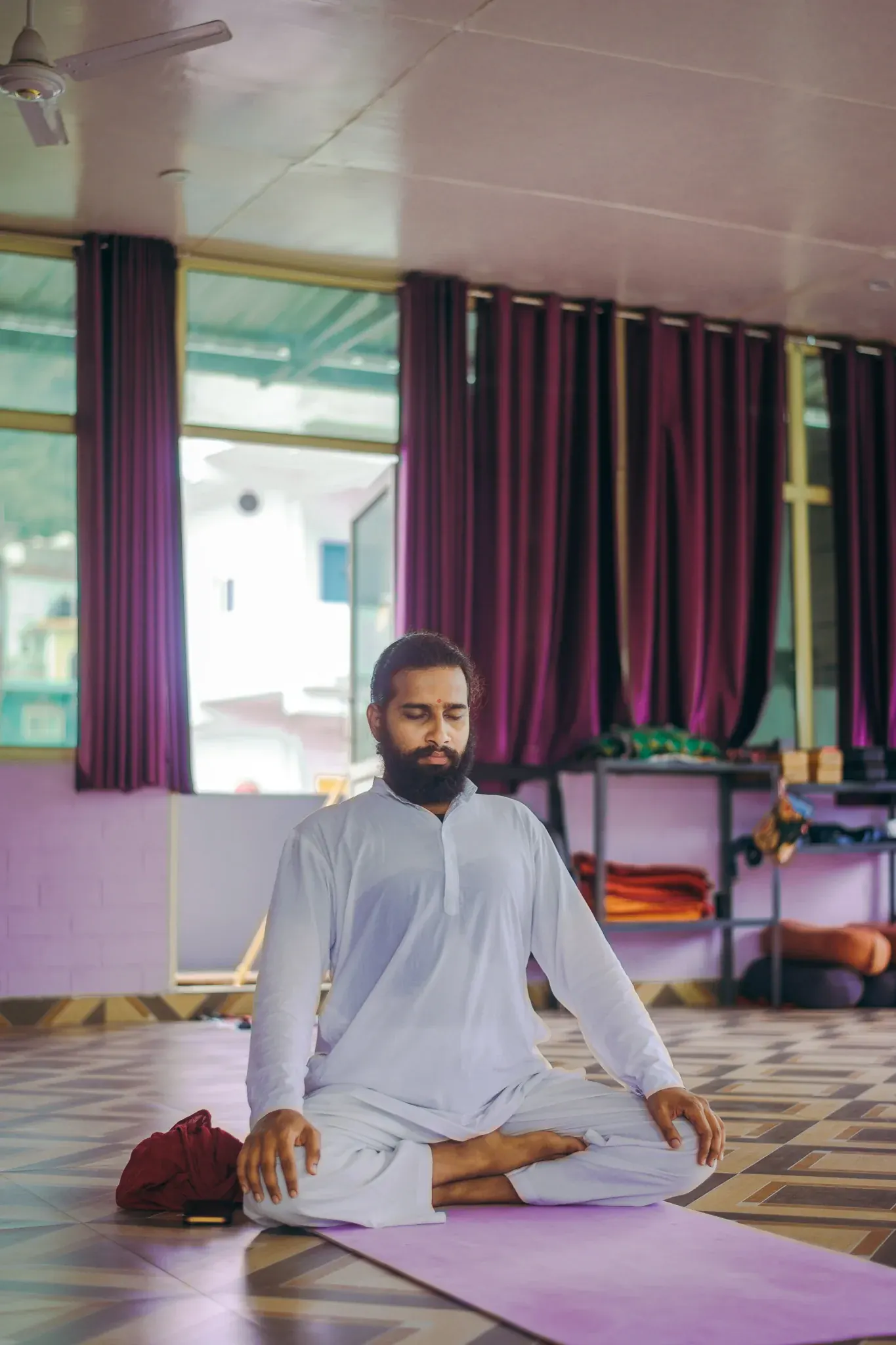
In our Advanced Pranayama & Yoga Philosophy Course in Rishikesh, whether 7, 15 or 30 days, bija mantras (seed syllables) are coordinated with the pranayama practices, and students observe their influence. To pair mantra with the breath, explore the Bhramari (Humming Bee Breath) technique — itself a practice of sound and vibration.
Mantra practice is a spiritual and contemplative practice, not a medical treatment, and this article is not medical advice. If you have a health condition, keep up the care of your doctor.
CategoryMantras
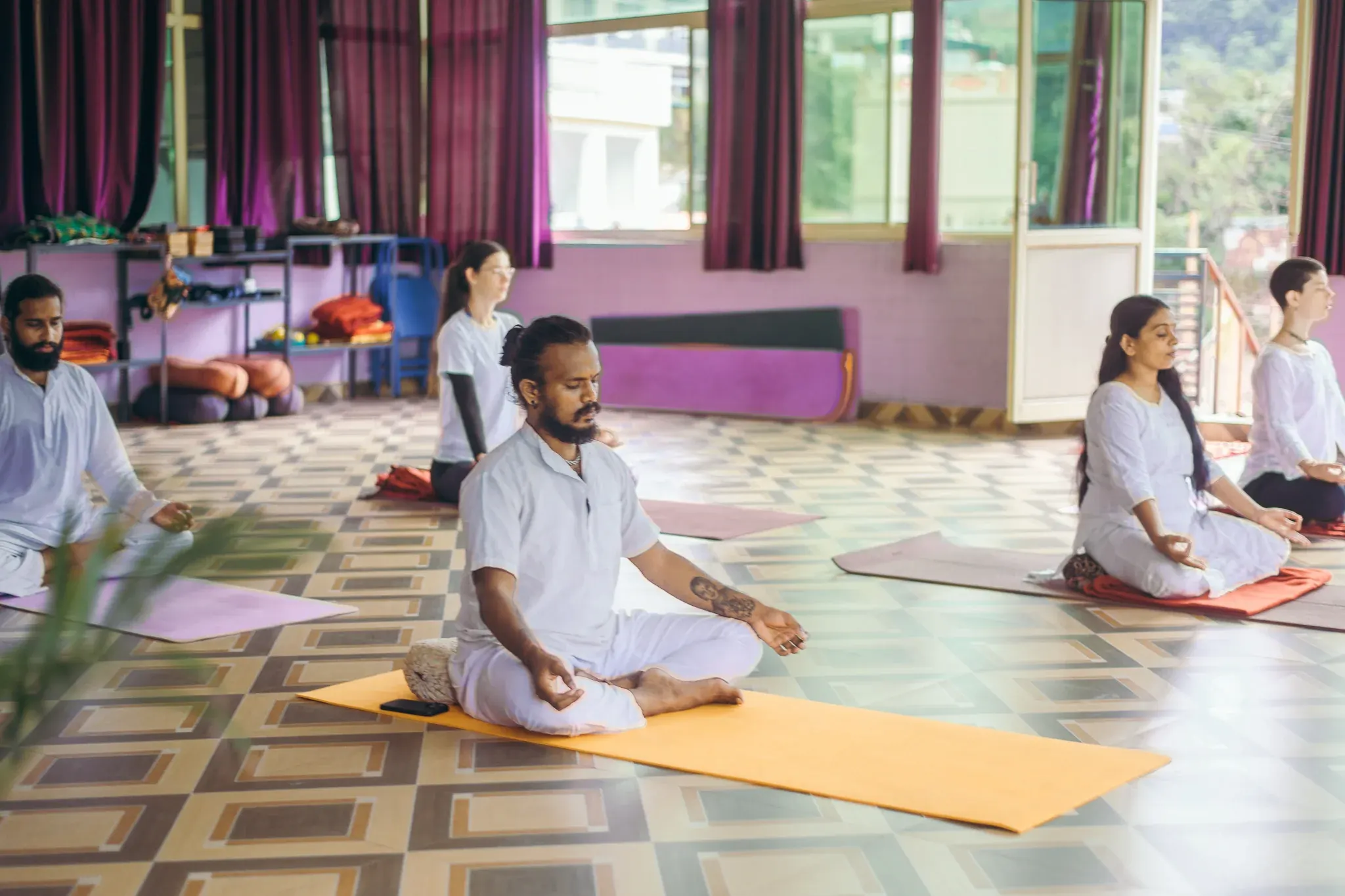
Advanced Pranayama Course
Go deeper: chakra pranayamas and bija mantras
- 7, 15 or 30 days
- A new start every month
- Taught in English
Tuition349美元₹30,000