Practice Guide
Bhastrika Pranayama with Maha Bandha: Advanced Breathwork for Brain & Body
Learn the powerful combination of Bhastrika (Bellows Breath) and Maha Bandha: step-by-step technique, safety guidelines, and 8 proposed effects on the brain, rooted in the Hatha Yoga Pradipika.
SomeshApril 2, 202614 min read
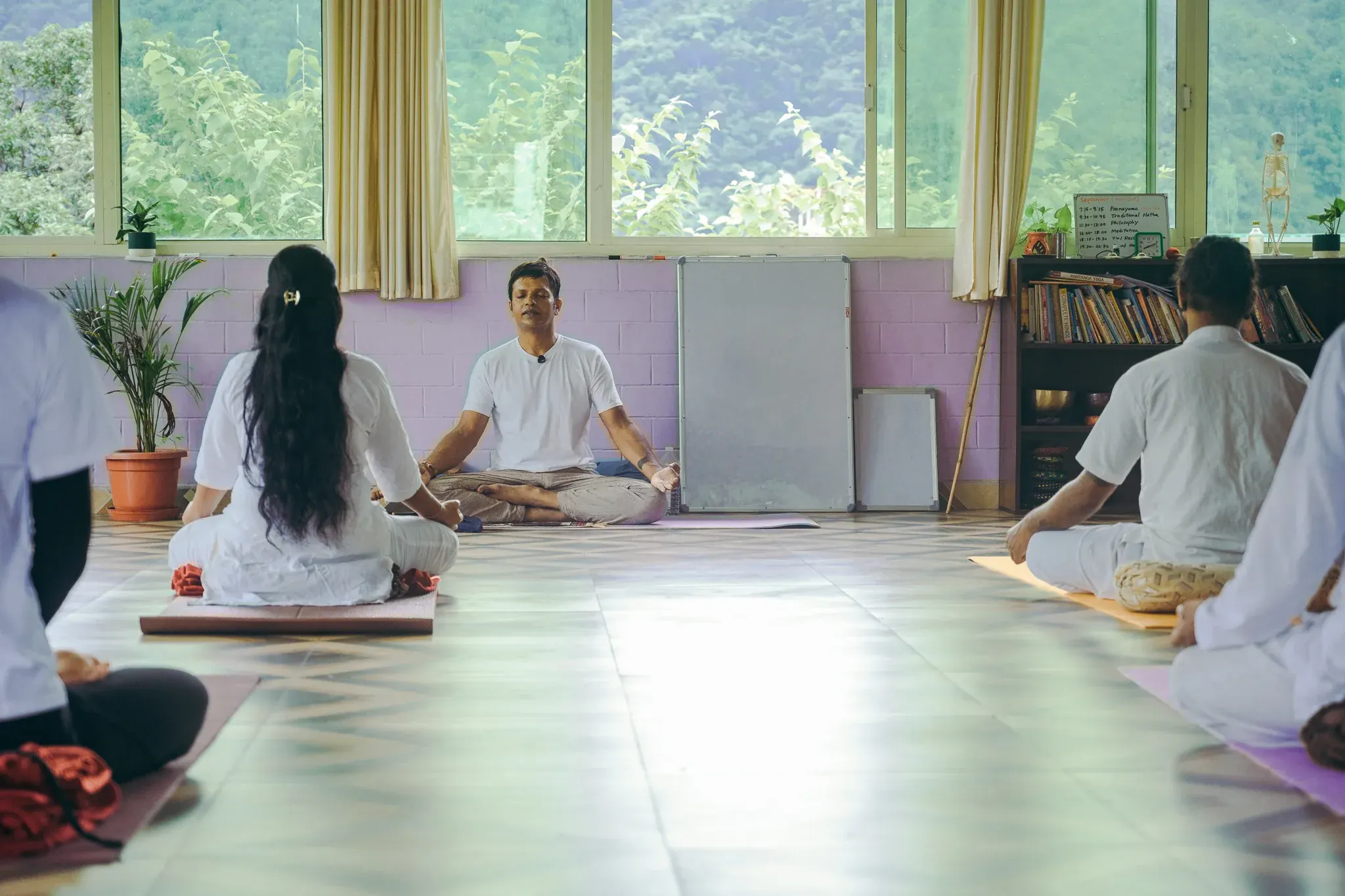
Bhastrika Pranayama combined with Maha Bandha is one of the most powerful techniques in the Hatha Yoga tradition. Where Ujjayi is subtle and meditative, Bhastrika is dynamic and activating — rapid, forceful breathing that stimulates the nervous system and prepares the body for deep retention with the three energy locks.
भस्त्रावल्लोहकारस्य रेचपूरौ ससंभ्रमौ ।
कुर्यात् पवनसंरोधं भस्त्रिका नामिका भवेत् ॥
— Hatha Yoga Pradipika (2.64)Translation: Like the rapid movement of a blacksmith’s bellows, the yogi should inhale and exhale forcefully and quickly. This practice is known as Bhastrika Pranayama.
वातपित्तश्लेष्महरं शरीराग्निविवर्धनम् ।
कुण्डलीबोधकं क्षिप्रं भस्त्रिका प्राण उच्यते ॥
— Hatha Yoga Pradipika (2.65)Translation: Bhastrika destroys the imbalances of Vata, Pitta, and Kapha, increases the digestive fire, and quickly awakens Kundalini energy.
ब्रह्मनाडीमुखे संस्थं कफाद्यर्गलनाशनम् ।
भस्त्रिका कुरुते योगी प्राणायामं सुखप्रदम् ॥
— Hatha Yoga Pradipika (2.66)Translation: It removes blockages at the entrance of the Brahma Nadi (Sushumna) and allows energy to flow freely, bringing deep comfort and vitality.
These verses give the traditional view of the practice. They are not medical findings, and later sections separate what research suggests from what tradition and practitioners describe.
Preparation
This is an advanced pranayama sequence that combines powerful breathing with internal locks. It should be practiced with precision, awareness, and gradual progression.
- Sit in Padmasana, Siddhasana, or Vajrasana.
- Spine erect, shoulders relaxed.
- Hands on knees in Chin Mudra or Jnana Mudra.
- Eyes closed, awareness directed inward.
Step-by-Step Technique
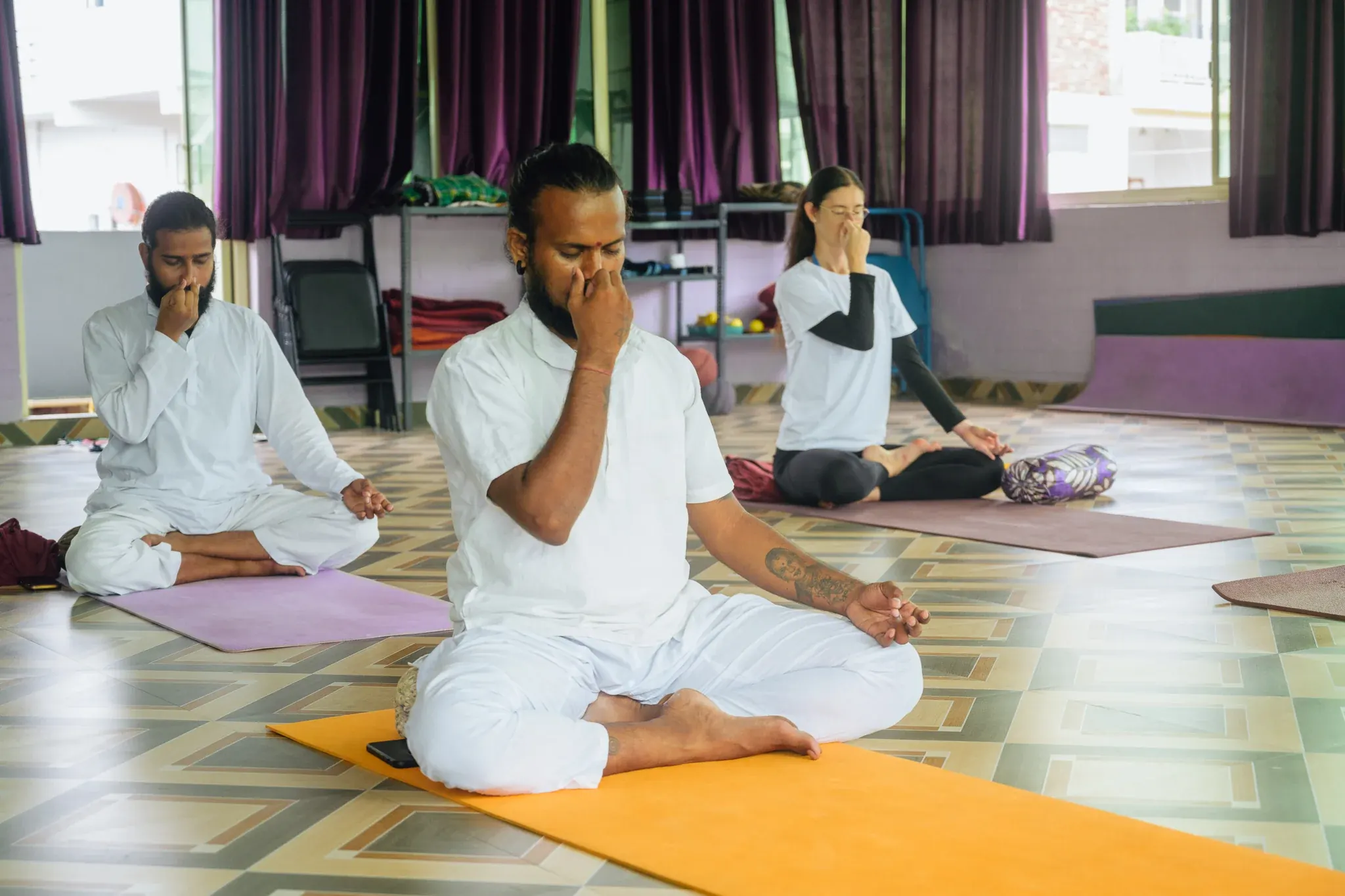
Step 1: Bhastrika (Bellows Breathing)
- Inhale forcefully through the nose.
- Exhale forcefully through the nose.
- Apply equal force on both inhale and exhale.
- Use the diaphragm as the primary driver (not just the chest).
Rhythm:
- Beginners: 10–15 breaths per round
- Intermediate: 20–30 breaths per round
Keep it fast but controlled, like a steady bellows. The rhythm should be even — not erratic.
Step 2: Deep Inhalation
After the last forceful exhalation, take a deep, full inhalation. Fill the lungs completely: abdomen, then ribs, then chest.
Step 3: Apply Maha Bandha (Three Locks)
- Jalandhara Bandha (Throat Lock): Lower the chin to the sternum, gently compressing the throat. This seals the upper end of the torso.
- Mula Bandha (Root Lock): Contract the perineum (the area between the genitals and anus). In yogic terms, this draws energy upward from the base of the spine.
- Uddiyana Bandha (Abdominal Lock): Apply a gentle, slight inward lift of the abdomen (not a strong vacuum — the lungs are full). This creates upward pressure toward the diaphragm.
Step 4: Breath Retention (Antar Kumbhaka)
- Hold the breath comfortably with all three locks engaged.
- Focus on Ajna (between the eyebrows) or Sahasrara (crown of the head).
Duration:
- Beginners: 5–10 seconds
- Advanced: 20–40+ seconds
No strain — comfort is key.
Step 5: Release Sequence
Release the locks in the correct order:
- Release Uddiyana Bandha
- Release Mula Bandha
- Release Jalandhara Bandha (lift head last)
Then exhale slowly and completely.
Step 6: Rest and Observe
Take a few normal breaths and observe sensations in the brain and body. Notice the contrast between the dynamic activation of Bhastrika and the deep stillness that follows.
Rounds
- Beginners: 3 rounds
- Intermediate: 5 rounds
- Advanced: 7+ rounds
Internal Awareness: What You May Experience
During practice, you may notice:
- Heat rising in the body
- Pressure or lightness in the head
- Stillness after retention
- Sharp mental clarity
These sensations are commonly reported, and they vary from person to person. Strong dizziness, tingling or a racing heart means you are breathing too fast or holding too long: stop and breathe normally.
Safety Guidelines
Avoid this practice unless your doctor agrees, and then learn it only under direct guidance, if you have:
- High blood pressure
- Heart disease
- Hernia, or recent abdominal or other surgery
- Pregnancy
- Glaucoma or raised eye pressure, or epilepsy
- Vertigo, an anxiety or panic disorder, or another serious psychiatric condition
Common mistakes:
- Forcing the breath too aggressively
- Holding beyond comfort
- Tightening the face or shoulders
- Collapsing the spine
Effects on the Body: What Is Known
Here is what is known, and what is only proposed, about Bhastrika’s effects on the body:
- Diaphragm: Regular practice works the main breathing muscle hard, and some studies of pranayama report stronger breathing muscles and better breath control. Many practitioners say a well-trained diaphragm makes slow, calm breathing easier.
- Lymphatic system: Breathing movements help move lymph through the chest and abdomen. Claims that Bhastrika boosts immunity or “detoxifies” the body are not supported by research.
- Nervous system: The fast phase stimulates the sympathetic (activating) system, and the stillness afterwards tends to bring a parasympathetic rebound. Teachers describe this as a controlled cycle of stress and recovery; whether it builds resilience over time has not been well studied.
- Heart and circulation: Fast breathing and breath retention change the pressure in the chest and briefly alter heart rate and blood pressure. This is one reason the practice is unsuitable for people with heart or blood-pressure conditions.
8 Proposed Effects of Bhastrika with Maha Bandha on the Brain
The points below are proposed mechanisms, drawn from general physiology and from what practitioners describe. Very little research has studied Bhastrika with Maha Bandha directly, so read them as hypotheses, not established effects.
1. Fast Breathing & Controlled Retention
Bhastrika’s rapid breathing lowers the carbon dioxide (CO₂) in the blood, and the kumbhaka with Maha Bandha that follows lets it rise again. CO₂ levels affect how much blood flows to the brain, which is one reason fast breathing can make you lightheaded. Teachers describe the cycle as training steadiness while CO₂ changes.
What practitioners describe: A sharp, clear mind after the round.
2. Vagus Nerve & Parasympathetic Activity
Breath retention, the throat lock (Jalandhara Bandha) and changes in abdominal pressure may all engage the vagus nerve, which carries much of the parasympathetic (rest-and-digest) signal. This is a plausible explanation for the calm that follows the round, but it has not been measured for this practice.
What practitioners describe: Deep calm after the intense activation phase.
3. Baroreceptors & Blood Pressure
The bandhas change the pressure in the chest and neck, which may stimulate baroreceptors (pressure sensors in the arteries). Baroreceptors signal the brainstem (medulla), which adjusts heart rate and blood pressure from moment to moment.
Note: The same pressure changes can raise blood pressure during the hold. That is why people with high blood pressure or a heart condition should avoid this practice unless their doctor agrees.
4. The Brainstem and the Urge to Breathe
Breath retention challenges the respiratory centres in the brainstem (the medulla oblongata and pons), which drive the urge to breathe. With gradual practice, most people can hold the breath comfortably for longer.
What practitioners describe: A steadier response to the urge to breathe, which some feel carries over into stressful moments.
5. Inner Pressure & Awareness
Maha Bandha creates upward pressure from the abdomen (Uddiyana + Mula) and a downward lock at the throat (Jalandhara), forming a closed pressure system. Holding the breath against the locks raises pressure in the chest and abdomen, and this can briefly raise pressure in the head and eyes. That is why the practice is unsuitable for people with glaucoma or raised eye pressure.
What practitioners describe: A sense of fullness in the head and heightened inner awareness. The pressure should always stay gentle; never strain.
6. The Reticular Activating System (RAS)
The alternation between fast breathing (Bhastrika) and retention is likely to stir the brain’s arousal systems, including the reticular activating system, which helps regulate wakefulness and attention.
What practitioners describe: Alertness, meditative clarity, and an “awakened” state of mind.
7. The Limbic System
Breathing patterns are closely linked with the brain’s emotional centres, including the amygdala (fear and stress) and the hypothalamus (hormonal control), so changing the breath may change how they respond. This has not been studied for Bhastrika with Maha Bandha.
What practitioners describe: Emotional balance and more control over reactive patterns. Fast breathing can also stir anxiety in some people; if it does, stop and return to slow breathing.
8. The Prefrontal Cortex (Higher Awareness)
Focused retention and the stillness afterwards ask for sustained attention, which is the work of the prefrontal cortex — the seat of decision-making, executive function and self-awareness.
What practitioners describe: Steadier concentration and an easier entry into meditation.
The Overall Experience
Teachers often describe Bhastrika with Maha Bandha in two phases:
- Activation Phase: Sympathetic stimulation and arousal during the fast breathing of Bhastrika.
- Integration Phase: A parasympathetic rebound and inward awareness during and after retention with the bandhas.
Many practitioners describe the result as a highly alert yet deeply calm state of mind. In classical yoga, this is described as the threshold of Dhyana (meditation).
Yogic Interpretation: In the Hatha Yoga Pradipika, Bhastrika forces prana upward while Maha Bandha locks and directs prana into the Sushumna (central channel). A modern reader might describe the same practice as close coordination of breath, posture and attention.
This guide is general information, not medical advice. If you have any of the conditions listed under Safety Guidelines, or another health concern, consult your doctor before you begin, and learn the practice with a qualified teacher.
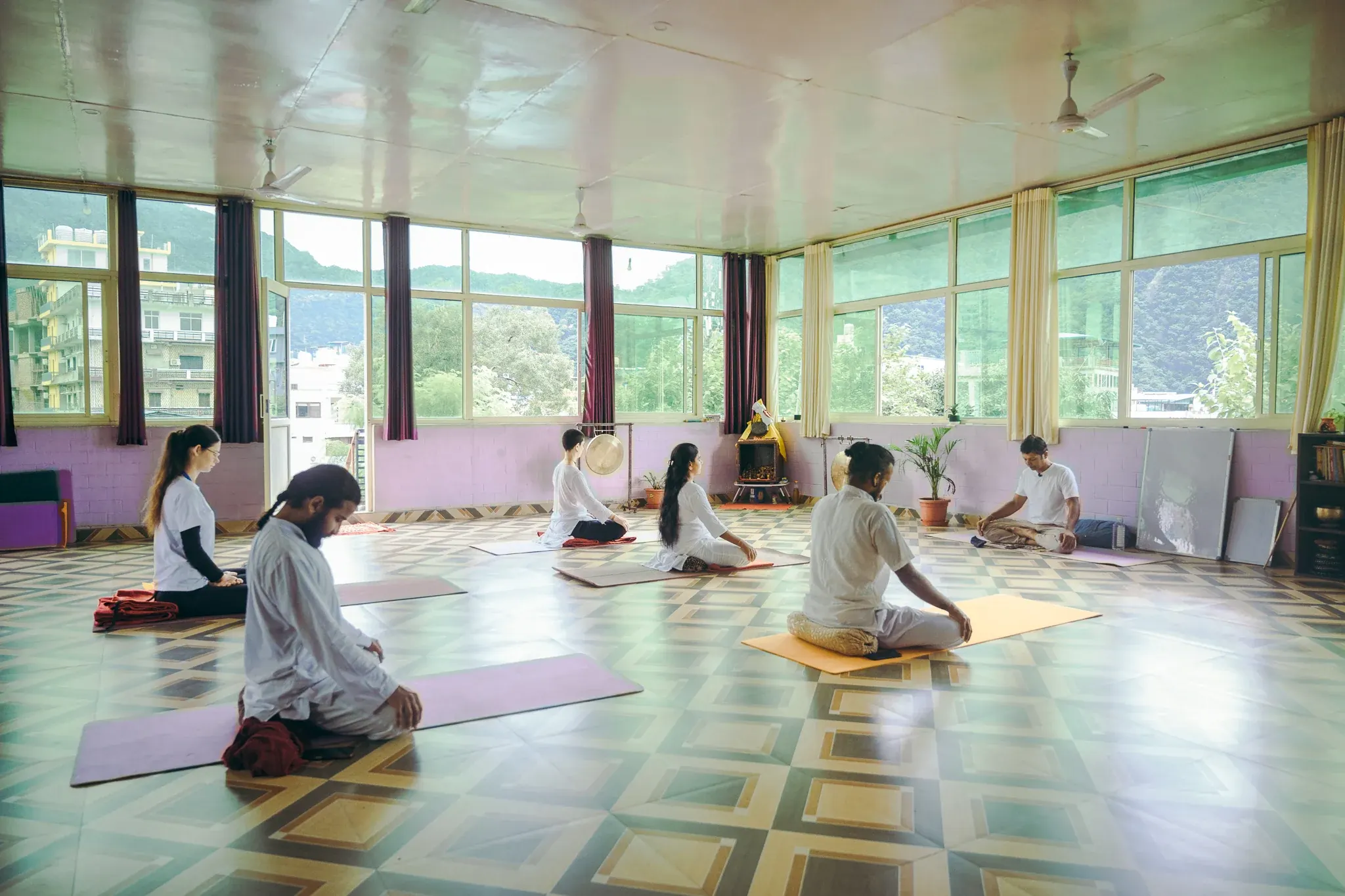
Because Bhastrika with Maha Bandha is a powerful, activating practice, it should be learned under qualified guidance. Our 15-day pranayama course in Rishikesh teaches Bhastrika with Maha bandha step by step, with a session for corrections every teaching day that a self-guided practice cannot offer.
Continue exploring: Pranayama Hub | Breathwork Techniques | Brain Waves & Breathwork
CategoryPractice Guide
Advanced Pranayama Course
Go deeper: pranayama with Maha bandha, in the 15-day course
- 7, 15 or 30 days
- A new start every month
- Taught in English
Tuition229 USD20.000 ₹