Benefits
12 Benefits of Breathwork: What the Research Suggests
What studies suggest about breathwork for stress, sleep, focus, breathing and mood, and where the evidence is still thin.
SomeshApril 1, 202610 min read
Research on breathwork is growing, but it is uneven. Some benefits, such as a calmer body during slow breathing, are reasonably well supported; others rest on small studies or on yogic tradition. Here are 12 benefits people most often seek from breathwork, each with a short, honest note on what the research suggests.
1. Stress and Cortisol
Slow, controlled breathing is thought to favour the parasympathetic ("rest-and-digest") nervous system, partly through the vagus nerve. A small 2017 study in Frontiers in Psychology found lower cortisol in healthy adults after eight weeks of diaphragmatic breathing practice. It is one small study, but it fits what many practitioners notice: as the breath slows, the body tends to settle.
2. Blood Pressure
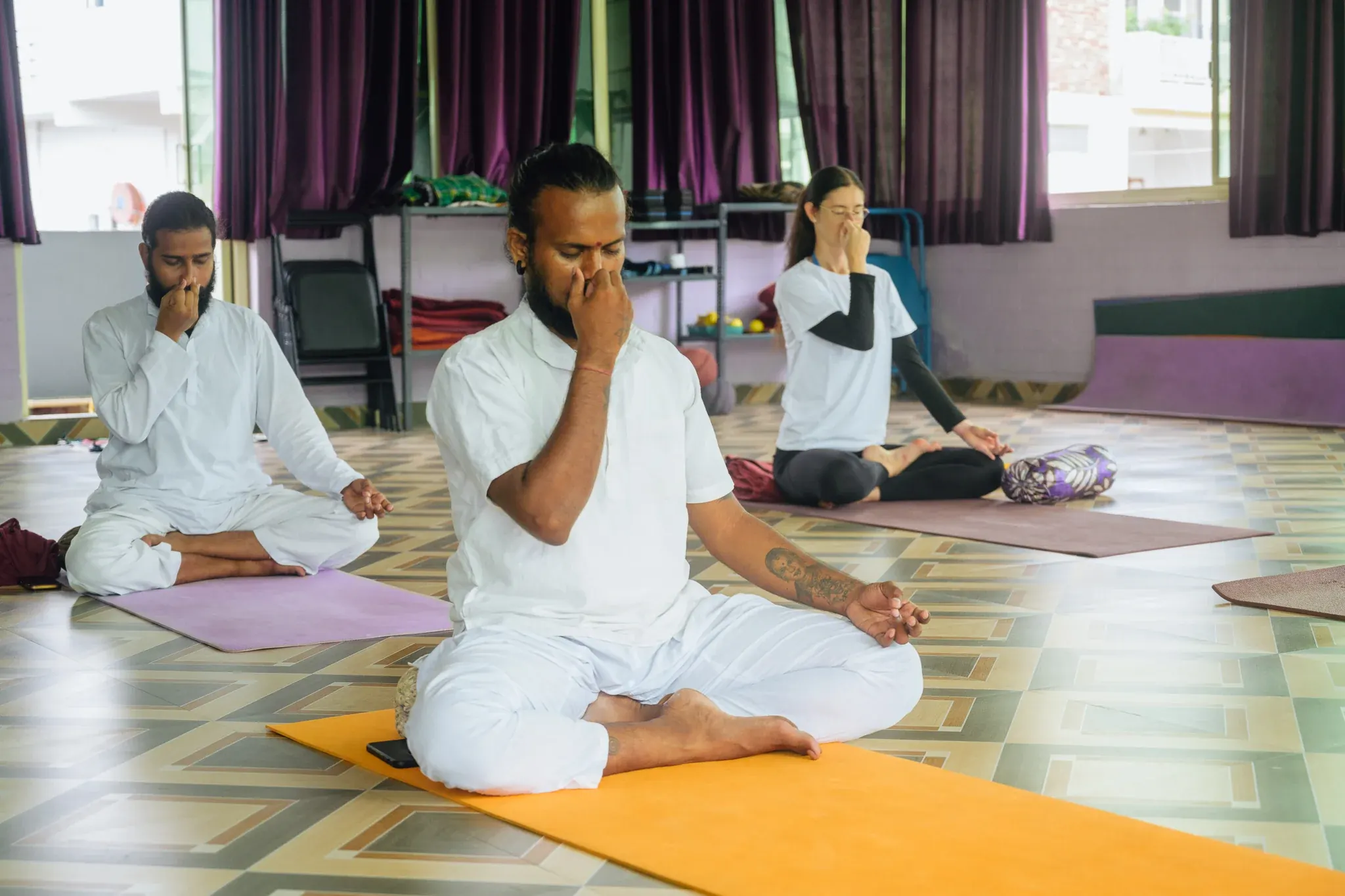
Some small trials report modest drops in systolic and diastolic blood pressure with regular slow breathing, including alternate-nostril practices such as Anulom Vilom. The results are mixed and most studies are short. Breathwork can complement medical care for blood pressure but never replaces it; if you have high blood pressure, avoid breath retention and forceful techniques unless your doctor agrees.
3. Sleep Quality
A long, slow exhale may help the body wind down before bed, and Bhramari (Humming Bee Breath) is often practised as part of an evening routine. Small studies suggest slow breathing before sleep may help some people, but it is not a treatment for insomnia or another sleep disorder.
4. Focus and Concentration
Some studies link slow, rhythmic breathing with more alpha brain-wave activity, which is associated with calm alertness, and the 2017 Frontiers in Psychology study above also reported better sustained attention after the breathing practice. Kapalbhati Pranayama is called "skull-shining breath" because practitioners describe a clearer, brighter mind afterwards.
5. Immune Function: Early Evidence Only
A few small studies of pranayama and yoga practitioners report changes in immune markers, but the studies are small and the results inconsistent. There is not yet enough evidence to say that breathwork strengthens immunity.
6. Anxiety
Extended exhale breathing (where the exhale is longer than the inhale) is thought to favour the calming branch of the nervous system. Reviews of the research suggest slow breathing may reduce feelings of anxiety for some people, and Bhramari's long humming exhale makes it a common choice for anxious moments. Breathwork complements care from a doctor or therapist; it does not replace it. See breathwork for anxiety for five techniques to try.
7. Respiratory Function
Some studies of regular pranayama practice report better lung-function measures and stronger breathing muscles, and breathing exercises are part of many pulmonary rehabilitation programmes. Different pranayama techniques work the breath in different ways. If you have asthma or COPD, practise only with your doctor's agreement and with a teacher.
8. Emotional Regulation
Slowing the breath creates a pause between a feeling and the reaction to it. Many practitioners say regular practice helps them notice and steady strong emotions. Research on how this works in the brain is still at an early stage.
9. Energy
Faster techniques like Kapalbhati and Bhastrika tend to stimulate the sympathetic nervous system, and many students feel more awake afterwards. Learn them with a teacher, and avoid them if you are pregnant or have high blood pressure or a heart condition.
10. Digestion
Diaphragmatic breathing gently moves the abdomen with every breath. The yogic text Hatha Yoga Pradipika states that pranayama "increases the digestive fire", a traditional description rather than a clinical finding; modern research on breathwork and digestion is limited.
11. Heart Rate Variability (HRV)
HRV is one marker of how flexibly the nervous system adapts. Slow breathing at around six breaths a minute reliably raises HRV while you practise; whether regular practice raises resting HRV over time is less clear.
12. A Doorway to Meditation
In the yogic tradition, pranayama is the fourth limb of yoga and exists as preparation for meditation. As the breath settles, the mind tends to follow, creating the conditions for a deeper meditation practice.
Where the Evidence Is Still Thin
Many breathwork studies are small and short, and they use different techniques, so their results are hard to compare. The evidence is more consistent for the short-term effects of slow breathing on stress and heart rate variability than for claims about immunity, blood pressure or digestion. Breathwork is a practice, not a medical treatment: if you have a health condition, talk to your doctor before you start, especially before breath retention or fast techniques.
Start your practice: What Is Breathwork? | Techniques Guide | Pranayama Benefits
CategoryBenefits
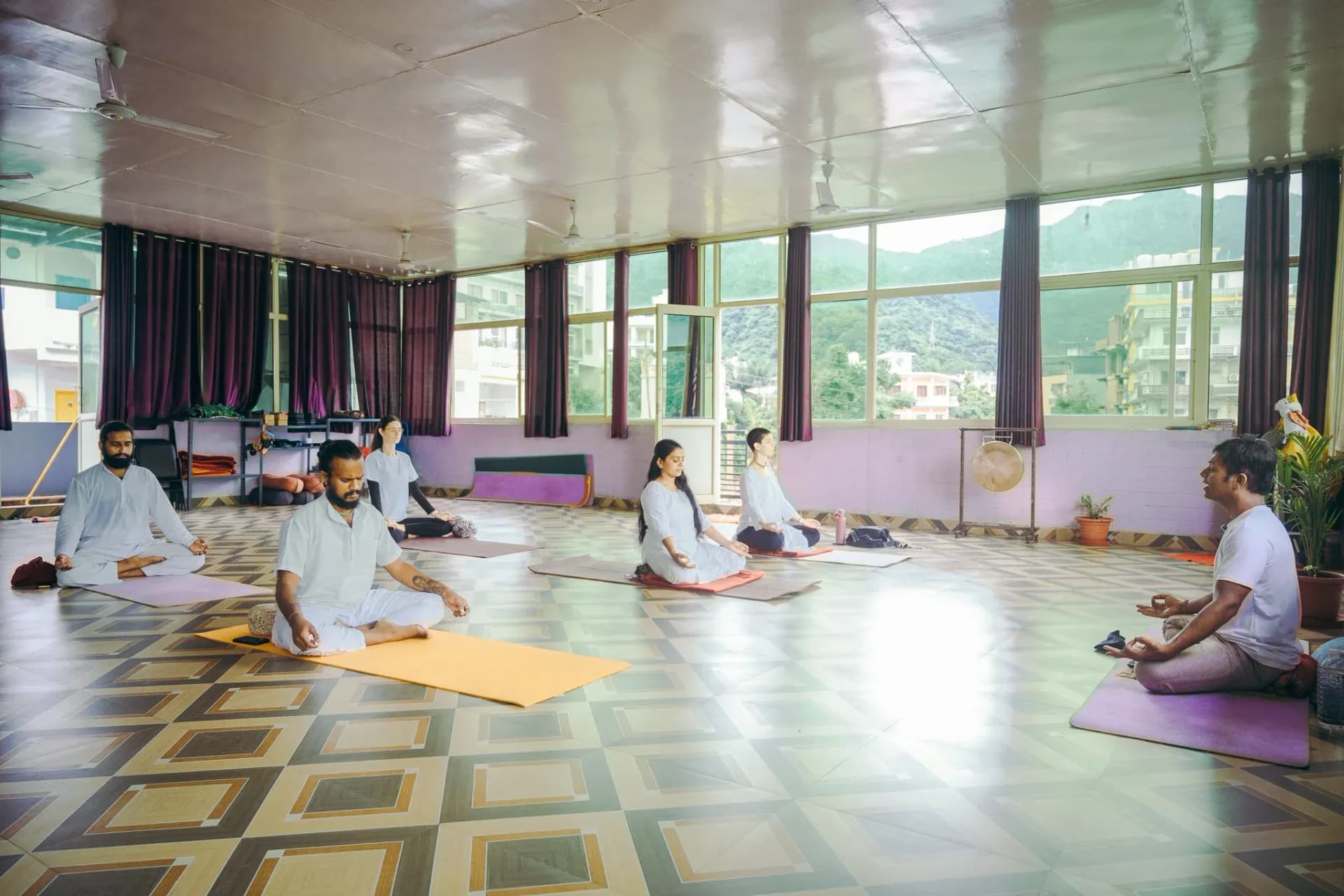
Advanced Pranayama Course
Go deeper: a breathwork course rooted in classical pranayama
- 7, 15 or 30 days
- A new start every month
- Taught in English
Tuition from₹13,000US$149