Pranayama guide
Pranayama Benefits: 20 Benefits of Yogic Breathing, in Research and Tradition
The physical, mental and spiritual effects of regular pranayama practice: what modern research reports, what practitioners notice and what the classical texts say. This guide is not medical advice.
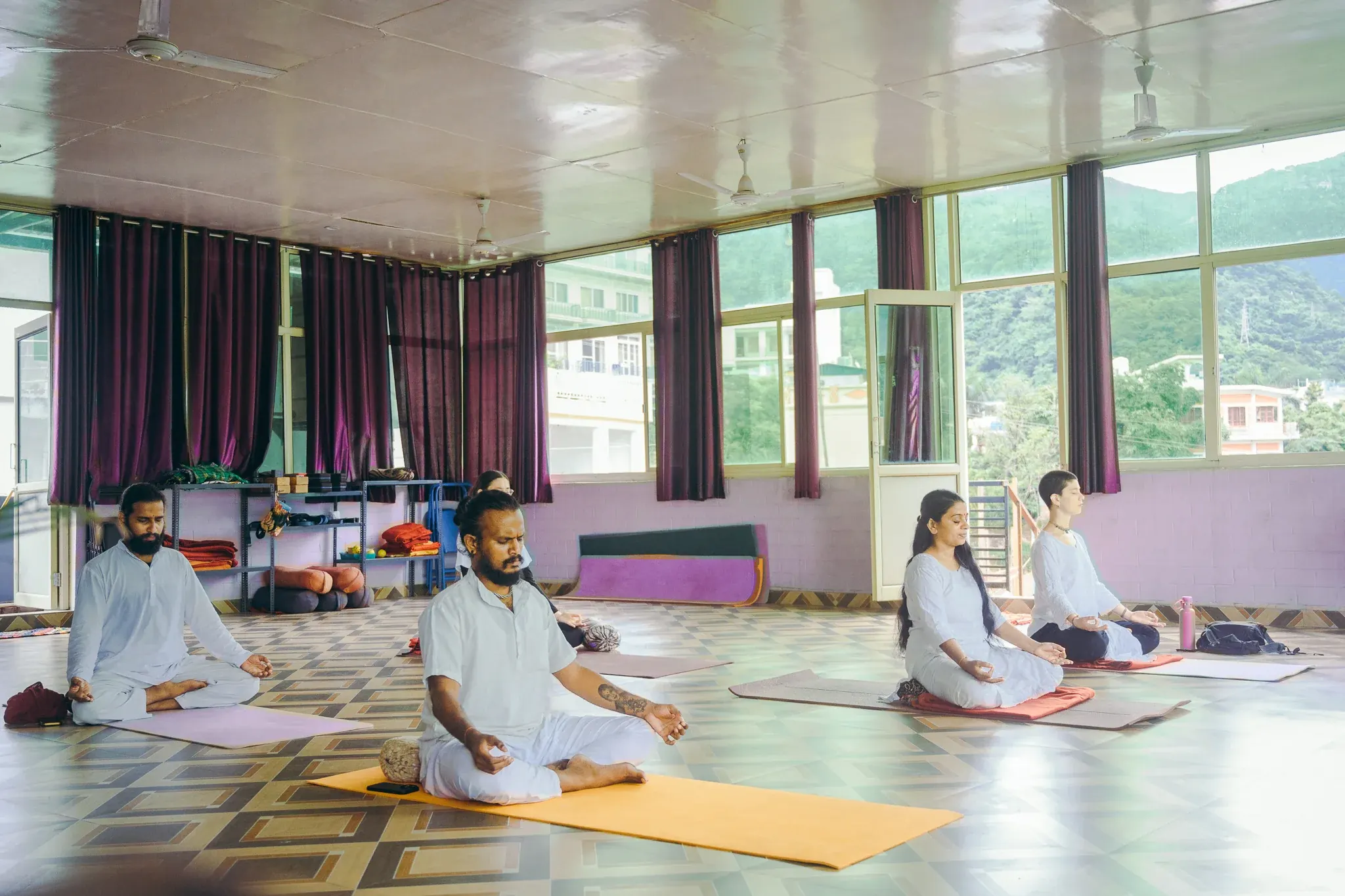
In short
Regular pranayama practice is linked in research with calmer, slower breathing, lower stress, better sleep and steadier attention, and the classical texts describe it as preparing the mind for meditation. The effects build with daily practice. Pranayama complements medical care; it never replaces it.
Learn it in RishikeshObserve the effects for yourself in our advanced pranayama course in Rishikesh
Pranayama, the yogic science of breath regulation, has been practised for thousands of years as a path to vitality, clarity and inner stillness. Modern research is now studying what the rishis described from experience: slow, regular breathing practice has measurable effects on the nervous system, the heart rate and the breath itself.
A 2020 review of pranayama research (Campanelli and colleagues, International Journal of Yoga) is a good starting point if you want the evidence. Below, each effect is described as carefully as we can, together with the practices traditionally used for it.
Physical Benefits of Pranayama
Fuller, More Efficient Breathing
Pranayama trains the diaphragm and the muscles between the ribs, and teaches you to use the whole of the lungs rather than only the upper chest. Studies of regular practice report improvements in measures of lung function in healthy adults. If you have asthma, COPD or another lung condition, practise only with your doctor's agreement.Heart Rate and Cardiovascular Rhythm
Slow techniques such as anulom vilom and bhramari favour the parasympathetic, rest-and-digest side of the nervous system. Research on slow breathing reports a lower heart rate and better heart rate variability during and after practice. It is a support for a healthy routine, not a treatment for heart disease.Resilience to Everyday Stress
Long-term stress wears on the whole body. Many practitioners find that a short daily practice helps them recover more quickly from demanding days. Pranayama is part of a healthy life alongside sleep, food and movement; it is not a substitute for medical care.Digestion, as the Tradition Describes It
Kapalbhati and bhastrika move the abdomen strongly and rhythmically. The tradition says they kindle agni, the digestive fire, and many students notice warmth and lightness in the abdomen afterwards. The calming practices shift the body toward rest-and-digest.Blood Pressure Awareness
Slow-breathing practices are among the more studied complementary approaches to blood pressure, and several studies report modest reductions with regular practice. If you have high blood pressure, avoid retention and forceful techniques unless your doctor agrees, and never change your medication on your own.Energy and Vitality
Energizing techniques like kapalbhati and bhastrika leave most practitioners alert and awake, and the calming ones reduce the energy lost to tension and restlessness. Over time, regular practice is one of the benefits students most often describe.A Cleansing Practice in the Hatha Tradition
Most people breathe shallowly, into the upper chest. Pranayama ventilates the lungs fully. Kapalbhati is listed among the shatkarmas, the cleansing practices of the Hatha Yoga Pradipika, and students usually describe it as clearing and refreshing.Relaxation and Body Awareness
Slow, attentive breathing helps many people release muscular tension and notice where they hold it. Some integrative programmes include breathing practice to help people cope with discomfort, always alongside medical care.
Techniques often used for physical health: Anulom Vilom for a calm, even breath, Kapalbhati as a cleansing practice, Ujjayi for a long, steady breath.
Mental and Emotional Benefits of Pranayama
Stress and Anxiety Reduction
Slow, controlled breathing engages the parasympathetic nervous system and the relaxation response. Research summarised in a 2020 review in the International Journal of Yoga links pranayama with changes in autonomic activity, and many studies report lower stress and anxiety scores. Most students feel calmer after their first session.Improved Focus and Concentration
Every pranayama technique asks you to keep your attention on the breath, which makes it a natural concentration exercise. Patanjali places pranayama just before dharana, concentration, in the eight limbs of yoga, and practitioners commonly report a steadier, less scattered mind.Better Sleep Quality
An evening practice of calming techniques, particularly bhramari, anulom vilom and breathing with a long exhalation, helps many people fall asleep more easily. If sleep problems persist, see a doctor.Emotional Regulation
Pranayama develops the ability to pause between stimulus and response. The breath is the one automatic function you can also steer at will, and learning to steer it gives practitioners a way to meet strong feelings without being carried away by them.A Steadier Mood
Many practitioners describe a lighter, steadier mood with regular practice. Research on breathing practices and mood is promising but still developing. Pranayama is not a treatment for depression or any other mental health condition, which needs professional care.Memory and Learning
Some studies report better scores on attention and memory tasks after weeks of regular practice. The effect students notice most is simpler: a calmer, rested mind takes in and keeps new material more easily.Mental Clarity
One of the effects students notice first is a clearer head. Kapalbhati, the 'skull-shining' breath, is named for it, and many practitioners find that a morning practice clears the grogginess that would otherwise linger for hours.
Techniques often used for the mind: Bhramari to settle the mind and before sleep, Anulom Vilom for balance and focus, Kapalbhati for clarity and energy.
Spiritual Benefits of Pranayama
Preparation for Meditation
In Patanjali's Yoga Sutras (2.52-53), pranayama removes the veil over the inner light and makes the mind fit for dharana, concentration, the gateway to meditation. By calming the vrittis, the movements of the mind, it prepares the still, focused state that meditation needs.Chakras and Energy
In the yogic understanding of the subtle body, specific practices act on the chakras, the energy centres. Bhastrika and kapalbhati are associated with the lower chakras (muladhara, svadhisthana, manipura) and bhramari with the higher centres (ajna, sahasrara). Nadi Shodhana is said to purify the channels that connect them.Kundalini in the Hatha Texts
The Hatha Yoga Pradipika teaches that pranayama, combined with the bandhas and mudras, is the means of awakening kundalini, the energy said to lie coiled at the base of the spine. When the nadis are purified and prana and apana unite, kundalini is said to rise through the central channel, sushumna.Heightened Awareness and Sensitivity
Regular practice refines attention. Practitioners grow sensitive to the movement of prana in the body, and the nadis and chakras become lived experience rather than abstract ideas. The tradition considers this refinement essential for the higher limbs of yoga.Inner Peace and Equanimity
Beyond the immediate calm, sustained practice cultivates a peace that does not depend on circumstances. The texts describe it as chitta, consciousness, resting in its natural clarity. This equanimity (samatva) is a hallmark of a yogic life off the mat.
What the classical texts say about pranayama
प्राणायामेन युक्तेन सर्वरोगक्षयो भवेत् । अयुक्ताभ्यासयोगेन सर्वरोगसमुद्भवः ॥
prāṇāyāmena yuktena sarvaroga-kṣayo bhavet | ayuktābhyāsa-yogena sarvaroga-samudbhavaḥ
Through proper practice of pranayama, all diseases are destroyed. Through improper practice, all diseases arise.
ततः क्षीयते प्रकाशावरणम् । धारणासु च योग्यता मनसः ॥
tataḥ kṣīyate prakāśāvaraṇam | dhāraṇāsu ca yogyatā manasaḥ
From that, the veil over the inner light is removed, and the mind becomes fit for concentration.
यथा सिंहो गजो व्याघ्रो भवेद्वश्यः शनैः शनैः । तथैव सेवितो वायुरन्यथा हन्ति साधकम् ॥
yathā siṃho gajo vyāghro bhaved vaśyaḥ śanaiḥ śanaiḥ | tathaiva sevito vāyur anyathā hanti sādhakam
Just as a lion, an elephant or a tiger is tamed gradually, so the breath is brought under control slowly. Otherwise it harms the practitioner.
How often should you practise pranayama?
Beginners (first 1-3 months)
Start with 10 to 15 minutes a day. Focus on two or three simple techniques: dirga pranayama (three-part breath), basic anulom vilom (equal ratio, no retention) and bhramari. Morning practice is ideal, but consistency at any hour matters more. Avoid retention and forceful practices until your foundation is solid.Intermediate (3-12 months)
Increase to 20 to 30 minutes a day. Add kapalbhati and ujjayi, and begin working with a longer exhalation (1:2). Keep the morning practice and add a short evening session of calming techniques if you like. Learn retention and the bandhas with a qualified teacher.Advanced (1+ years, with a teacher)
Practise 30 to 60 minutes a day, with the full range of techniques: nadi shodhana with retention, bhastrika, advanced kumbhaka and the bandhas. Two sessions a day are traditional. The classical texts are clear that careless practice at this level does harm, so keep a teacher's regular guidance.
Frequently asked questions about pranayama benefits
How often should I practice pranayama to see benefits?
Are pranayama benefits scientifically proven?
Can pranayama replace medication for anxiety or blood pressure?
Which pranayama technique provides the most benefits?
How long does it take to experience the benefits of pranayama?
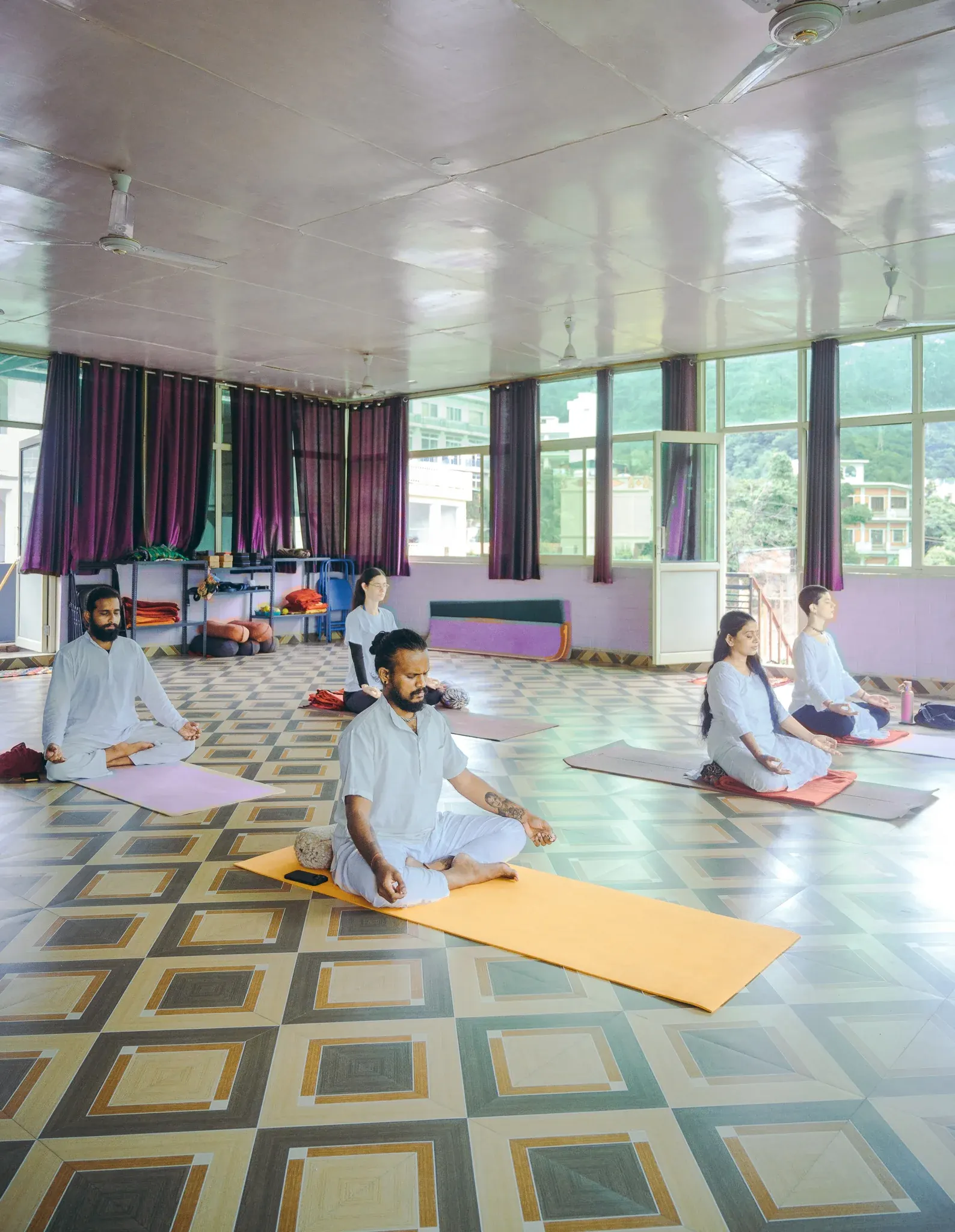
Advanced Pranayama Course
Observe the effects for yourself
- 7, 15 or 30 days
- A new start every month
- Taught in English
Tuition from149 USD13.000 ₹
Explore pranayama techniques
- Types of Pranayama15 breathing techniques, from the classical eight to modern variations.
- Bhramari PranayamaThe humming bee breath, a gentle way to settle the mind.
- Anulom VilomAlternate nostril breathing for balance and calm.
- Kapalbhati PranayamaThe skull-shining breath, a cleansing practice.
- Kumbhaka: breath retentionAntar and bahya kumbhaka with the bandhas, and how to begin safely.
- The bandhasMula, Uddiyana, Jalandhara and Maha bandha: yoga's energy locks.
From the breathwork library